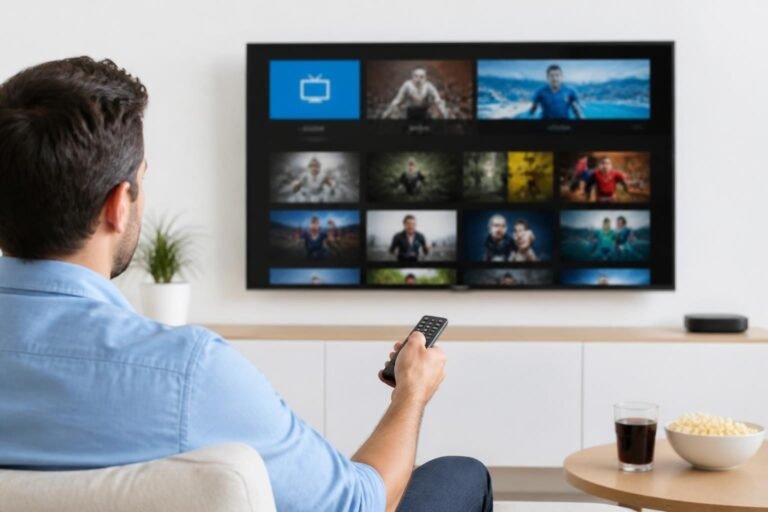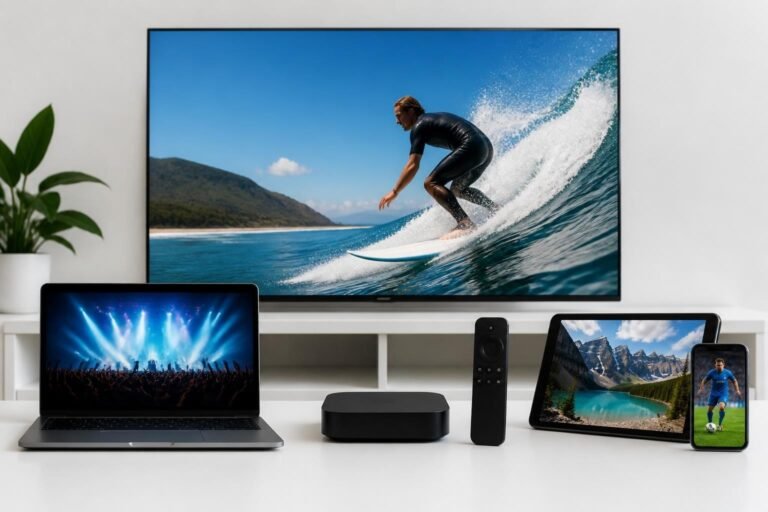
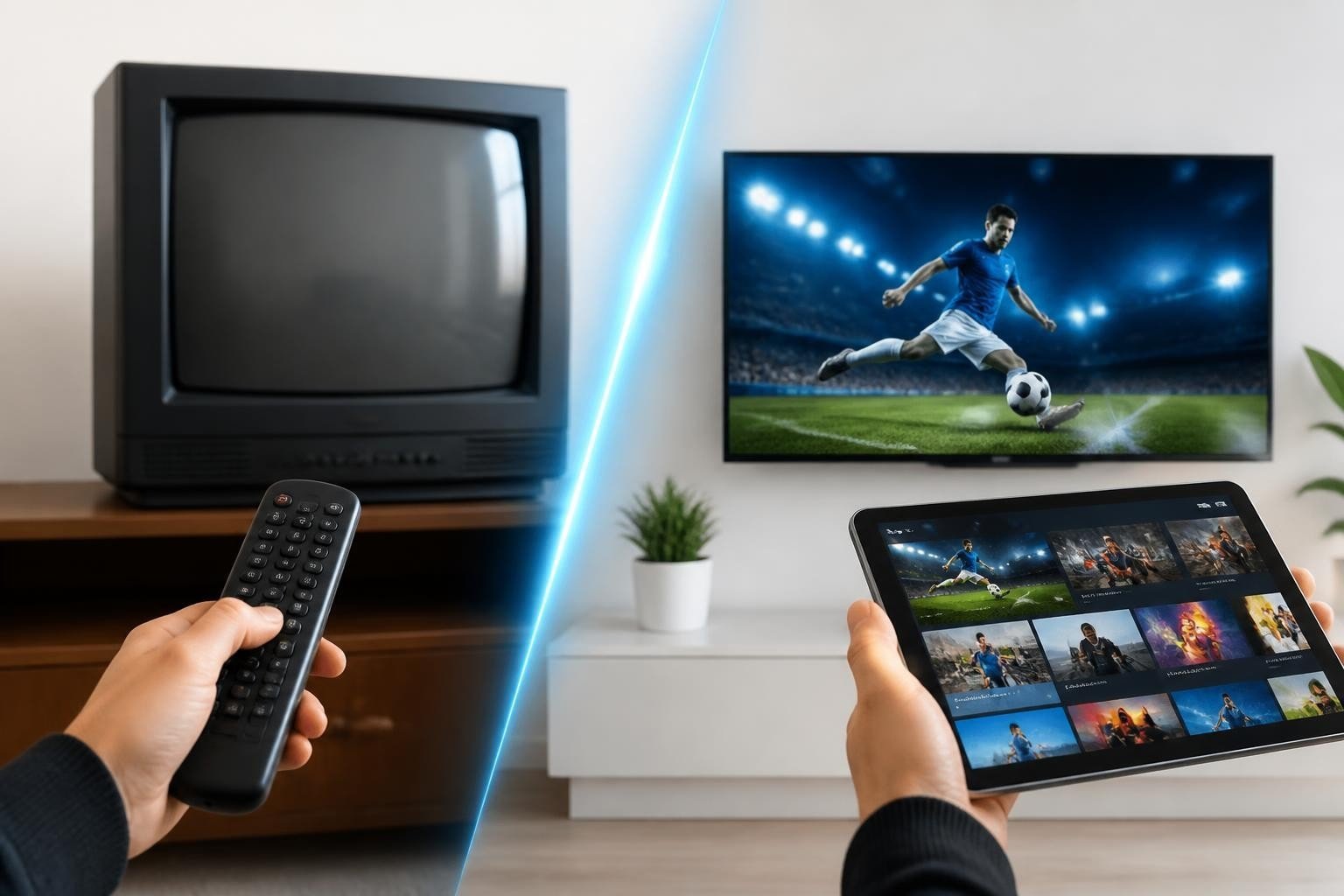
The landscape of television consumption has undergone a dramatic transformation in recent years, with tv live streaming emerging as the dominant force in how audiences access real-time content. Traditional cable and broadcast television are rapidly losing ground to internet-based streaming solutions that deliver live channels, sports, news, and events directly to viewers across multiple devices. This shift represents more than just a technological upgrade; it reflects fundamental changes in consumer expectations, content delivery infrastructure, and the economics of television distribution. Understanding the current state of live streaming technology and market trends is essential for anyone looking to optimize their viewing experience while managing entertainment costs effectively.
The Rise of Internet-Based Live Television
The television industry has reached a pivotal moment where streaming viewership has surpassed the combined share of broadcast and cable TV for the first time. This milestone signals a permanent transformation in how audiences consume live content. Research shows that 61% of weekly TV content viewing now occurs on streaming services, with live programming playing an increasingly important role.
Several factors contribute to this massive shift in viewing behavior:
- Cost considerations: Traditional cable bills continue rising while streaming alternatives offer more competitive pricing models
- Device flexibility: Modern streaming works seamlessly across smartphones, tablets, smart TVs, and streaming devices
- Content variety: Access to thousands of channels and on-demand libraries from a single platform
- Geographic independence: Watch live content anywhere with internet connectivity
- No equipment rental fees: Eliminate the need for cable boxes and DVR hardware
The transition to tv live streaming platforms has accelerated particularly among younger demographics, though adoption spans all age groups. Consumers appreciate the control and flexibility that internet-based television provides compared to rigid cable packages.
Understanding IPTV Technology
Internet Protocol Television (IPTV) represents the technical foundation enabling modern tv live experiences. Unlike traditional broadcasting methods that transmit signals over airwaves or cable infrastructure, IPTV delivers television content through internet protocols. This fundamental difference allows for enhanced features and capabilities.
IPTV systems typically operate through three primary delivery models:
- Live Television: Real-time broadcast of channels as they air, similar to traditional TV but delivered via internet
- Time-Shifted Media: Previously aired programs available for viewing on-demand, including catch-up TV
- Video on Demand (VOD): Extensive libraries of movies and shows accessible anytime
The technology stack supporting IPTV involves sophisticated content delivery networks, adaptive bitrate streaming, and robust middleware platforms. Modern IPTV services implement anti-freeze technology that prevents buffering interruptions by dynamically adjusting stream quality based on available bandwidth. This ensures smooth playback even when network conditions fluctuate.
For users, the practical benefits translate to superior viewing experiences. Multi-device streaming allows family members to watch different content simultaneously on various screens. Electronic Program Guides (EPG) provide intuitive navigation through thousands of channels, while advanced features like pause, rewind, and recording enhance live television functionality beyond what traditional cable offers.
Market Trends Shaping Live Streaming
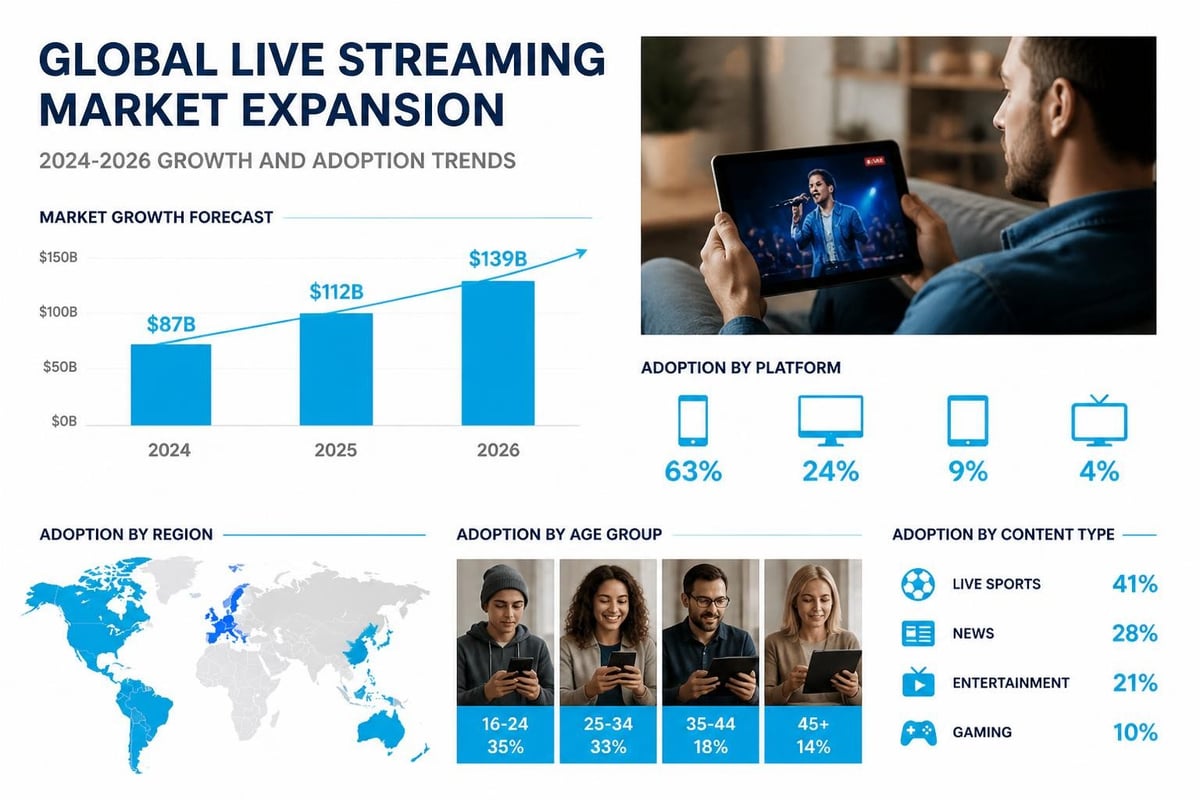
The live streaming industry continues expanding at remarkable rates. According to comprehensive industry statistics, the global live streaming market demonstrates sustained growth across all content categories. This expansion reflects both technological maturation and shifting consumer preferences toward on-demand accessibility.
Free Ad-Supported Streaming Television (FAST)
One significant trend involves consumers turning to Free Ad-Supported Streaming TV services for live content. These platforms offer live channels without subscription fees, monetizing through advertising instead. The FAST model appeals to budget-conscious viewers seeking alternatives to expensive cable packages.
However, FAST services typically provide limited channel selections compared to comprehensive IPTV solutions. Users must balance between free access with advertisements versus subscription services offering extensive channel lineups and premium features.
| Service Type | Channel Count | Cost Model | Ad Experience | Premium Features |
|---|---|---|---|---|
| Traditional Cable | 100-300 | $80-150/month | Minimal ads on paid channels | DVR, on-demand |
| FAST Services | 50-200 | Free | Heavy ad load | Limited |
| Premium IPTV | 100,000+ | One-time or subscription | Varies by channel | Advanced features |
| Individual Streaming Apps | Per app | $5-20 each | Varies | App-specific |
Platform Competition and Market Leadership
Major streaming platforms compete intensely for tv live viewership. Roku’s streaming platform has consistently surpassed traditional broadcast viewership for multiple consecutive months, demonstrating the accelerating shift toward internet-based television. This competition drives innovation in user interfaces, content acquisition, and streaming technology.
In the UK market, Freely is positioned to overtake Freeview as the country’s biggest free TV platform, potentially surpassing traditional services by 2034. This global trend toward internet-based television transcends individual markets, representing a worldwide transformation in content delivery infrastructure.
Technical Advancements Enhancing Live Viewing
The quality of tv live experiences has improved dramatically through technological innovation. Viewers now access broadcast-quality streams that often exceed traditional television in both visual and audio fidelity.
Next-Generation Video and Audio Formats
Live sports broadcasting showcases cutting-edge streaming technology. The FIFA World Cup 2026 will be broadcast in Dolby Vision HDR and Dolby Atmos audio using the AC-4 streaming format, delivering unprecedented quality for live sporting events. These advancements benefit all live content categories, from news to entertainment programming.
Key technical improvements include:
- 4K and 8K resolution support: Ultra-high-definition live streams for compatible displays
- HDR (High Dynamic Range): Enhanced contrast and color accuracy
- Immersive audio: Dolby Atmos and DTS:X surround sound
- Lower latency: Reduced delay between live events and stream delivery
- Adaptive bitrate streaming: Automatic quality adjustment for optimal performance
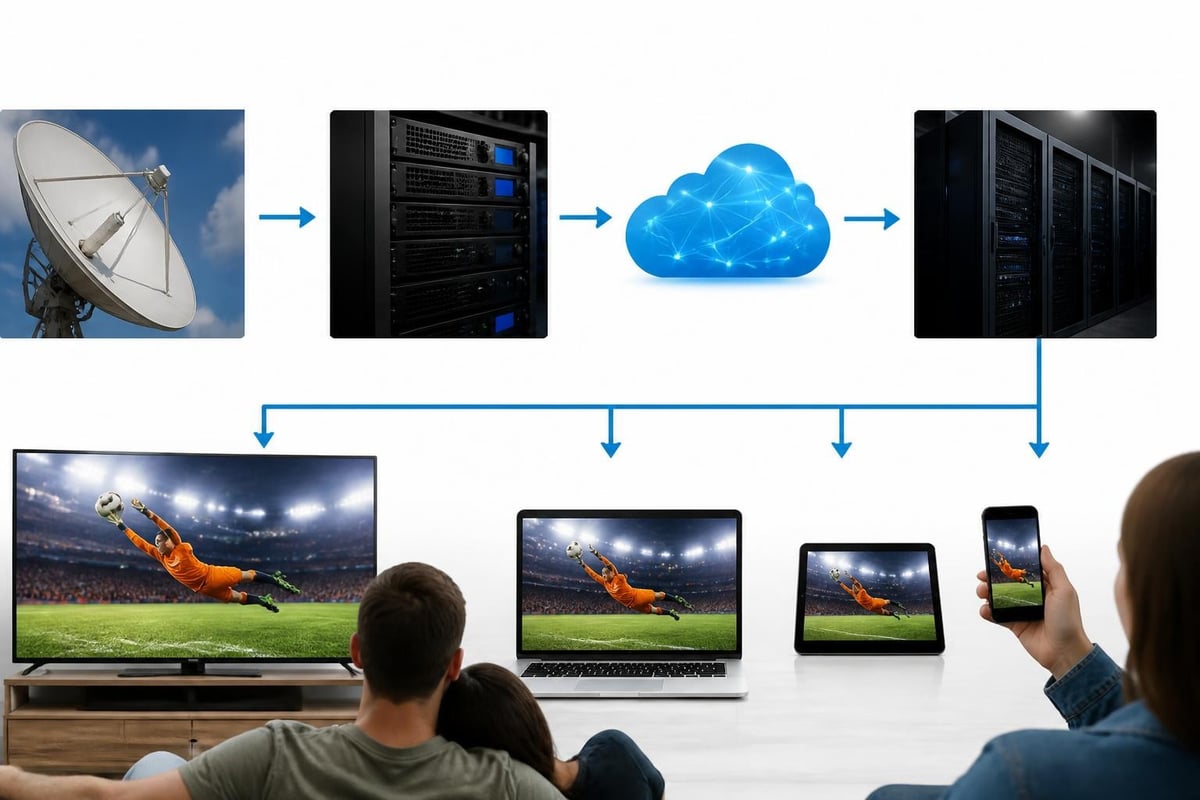
Professional Broadcasting Equipment
The production side of live streaming has also evolved significantly. Professional broadcasters utilize advanced equipment like LiveU’s LU900Q field unit, which enhances live video transmission and production workflows. These tools enable higher-quality broadcasts from remote locations, expanding the types of content available through live streaming platforms.
For consumers, these professional-grade improvements translate to more reliable streams, better picture quality, and expanded content availability. News organizations, sports leagues, and entertainment companies invest heavily in streaming infrastructure, ensuring that tv live experiences meet or exceed traditional broadcast standards.
Optimizing Your Live Streaming Setup
Maximizing your tv live viewing experience requires attention to several key factors. Device selection, network configuration, and service choice all impact streaming quality and reliability.
Device Compatibility and Performance
Modern IPTV services support extensive device ecosystems. Smart TVs from manufacturers like Samsung, LG, Sony, and Vizio include native streaming capabilities. Dedicated streaming devices such as Amazon Fire TV Stick, Roku, Apple TV, and Android TV boxes provide alternatives for older televisions or enhanced functionality.
For those seeking comprehensive live channel access across multiple platforms, services like IPTV for Smart TVs offer compatibility with major television brands and streaming devices, simplifying setup while maintaining flexibility across different screens throughout your home.
Recommended device specifications:
- Processor: Quad-core or better for 4K streaming
- RAM: Minimum 2GB, 4GB preferred for smooth navigation
- Storage: 8GB+ for app installation and temporary caching
- Network: Ethernet connection or 5GHz WiFi support
- Video output: HDMI 2.0 or newer for HDR support
Network Requirements and Optimization
Reliable internet connectivity forms the foundation of quality live streaming. Bandwidth requirements vary based on stream resolution and simultaneous device usage.
| Resolution | Minimum Speed | Recommended Speed | Typical Use Case |
|---|---|---|---|
| SD (480p) | 3 Mbps | 5 Mbps | Single device, basic viewing |
| HD (720p) | 5 Mbps | 8 Mbps | Standard high-definition |
| Full HD (1080p) | 8 Mbps | 15 Mbps | Primary viewing device |
| 4K UHD | 25 Mbps | 40 Mbps | Premium large-screen viewing |
| Multiple devices | +5-10 Mbps per stream | +10-15 Mbps per stream | Household with concurrent viewers |
Network optimization strategies include prioritizing streaming traffic through Quality of Service (QoS) router settings, using wired Ethernet connections for primary viewing devices, and positioning WiFi access points to minimize interference. Regular speed tests help identify connectivity issues before they impact viewing experiences.

Content Discovery and Navigation
With tv live services offering access to thousands of channels, effective content discovery becomes essential. Modern IPTV platforms implement sophisticated Electronic Program Guides (EPG) that organize channels by category, language, and region.
Channel Organization Strategies
Successful navigation of extensive channel lineups requires logical organization:
- Favorites lists: Create custom collections of frequently watched channels
- Category filtering: Browse by sports, news, entertainment, movies, or international content
- Search functionality: Quickly locate specific channels, programs, or content types
- Recently watched: Easy access to channels you’ve viewed previously
- Recommendations: Algorithm-driven suggestions based on viewing patterns
Premium IPTV services typically provide comprehensive EPG data extending several days forward, allowing viewers to plan their watching schedules and set reminders for upcoming programs. This functionality replicates and often exceeds traditional cable guide capabilities.
Sports and Live Events
Live sports represent a primary driver of tv live streaming adoption. Comprehensive IPTV platforms offer hundreds of sports channels covering major leagues, international competitions, and niche sporting events. Package options typically include:
- Major League Sports: NFL, NBA, MLB, NHL, soccer leagues worldwide
- International Coverage: Cricket, rugby, Formula 1, tennis majors
- College Athletics: NCAA football, basketball, and championship events
- Combat Sports: Boxing, UFC, and other mixed martial arts
- Regional Sports Networks: Local team coverage and analysis
The ability to access global sports programming without geographic restrictions or multiple subscription services appeals strongly to sports enthusiasts. Modern streaming platforms deliver these events in high definition with minimal delay, creating viewing experiences comparable to or better than traditional cable sports packages.
Economic Considerations and Value Comparison
Cost analysis reveals significant savings potential when comparing tv live streaming services to traditional cable packages. Monthly cable bills in the United States average between $80 and $150, with additional fees for equipment rental, DVR service, and premium channels pushing total costs even higher.
Subscription Model Analysis
Different streaming approaches offer varying value propositions:
Traditional Cable/Satellite:
- Monthly fees: $80-150+
- Equipment rental: $10-25/month
- Installation fees: $50-100
- Contract commitments: 12-24 months typical
- Channel flexibility: Limited package customization
Individual Streaming Apps:
- Cost per service: $5-20/month
- Multiple subscriptions needed: 5-8 services for comprehensive coverage
- Total monthly cost: $40-120+
- No equipment fees
- Cancel anytime flexibility
Comprehensive IPTV Services:
- One-time or monthly payments: Varies by provider
- All-inclusive channel access: 100,000+ channels typical
- No equipment rental fees
- Multi-device streaming included
- Single interface for all content
The economic advantage of consolidated IPTV services becomes apparent when calculating annual costs. Traditional cable subscribers paying $120 monthly spend $1,440 annually, while maintaining 6-8 individual streaming services costs $720-1,440 yearly with significant content gaps remaining.
Future Trends in Live Television Streaming
Industry analysts project continued evolution in how audiences access tv live content. Five key trends are shaping the 2025-2026 television landscape, including the growing importance of live streaming and its impact on advertising and content distribution.
Emerging Technologies
Several technological developments will further transform live streaming:
- 5G networks: Ultra-low latency mobile streaming enabling seamless viewing anywhere
- AI-powered personalization: Advanced recommendation engines improving content discovery
- Interactive features: Real-time viewer engagement during live broadcasts
- Cloud DVR expansion: Unlimited recording capacity without local storage requirements
- Multi-view capabilities: Simultaneous display of multiple live streams
These innovations will continue differentiating internet-based television from traditional broadcasting, creating experiences impossible through legacy infrastructure.
Viewing Pattern Evolution
Research indicates TV viewing has reached post-pandemic peaks, with increased consumption of live content and streaming services playing central roles in this trend. Viewers demonstrate growing comfort with streaming as their primary television source, reducing reliance on broadcast and cable.
This behavioral shift creates opportunities for comprehensive tv live platforms that consolidate content access while reducing subscription complexity. Consumers increasingly prefer unified solutions over juggling multiple apps, accounts, and interfaces.
Implementation and Support Considerations
Successfully transitioning to internet-based live television requires attention to setup, configuration, and ongoing support. While modern IPTV platforms emphasize user-friendly interfaces, initial configuration and troubleshooting assistance can enhance the experience.
Setup Process Overview
Typical IPTV implementation involves several straightforward steps:
- Service selection: Choose a provider based on channel offerings, device compatibility, and pricing
- Account creation: Register and select subscription options
- Application installation: Download the IPTV app on your preferred devices
- Login and activation: Enter credentials to activate service access
- Configuration: Set preferences, organize favorites, and customize interface
- Quality testing: Verify stream performance across different channels and resolutions
Most services provide detailed setup guides for popular devices. However, users new to streaming technology sometimes benefit from additional assistance with network optimization, device configuration, or troubleshooting specific issues.
Ongoing Maintenance and Updates
Maintaining optimal tv live performance requires periodic attention to several factors. IPTV applications receive regular updates adding features, improving stability, and enhancing compatibility. Enabling automatic updates ensures access to the latest improvements.
Network infrastructure also benefits from periodic review. Router firmware updates, WiFi channel optimization, and bandwidth monitoring help maintain consistent streaming quality. As household internet usage patterns change, adjusting QoS settings can prioritize streaming traffic during peak viewing times.
The transformation of television from cable-dependent broadcasting to flexible internet-based streaming represents a permanent shift in how we access live content. With superior technology, comprehensive channel access, and cost advantages over traditional options, tv live streaming through IPTV platforms offers compelling benefits for modern viewers. Apollo Group TV delivers this next-generation viewing experience with over 100,000 live channels, anti-freeze technology for uninterrupted streaming, and multi-device support, all through a simplified one-time payment model that eliminates recurring cable bills while providing access to global entertainment content.
Apollo Group TV delivers a premium IPTV experience with stable streaming, smooth live sports, and reliable support.
★★★★★
Rated 4.8 • Excellent
Trustpilot
View Plans →