Key Takeaways
- Channel count is often less important than server stability.
- Buffering during live sports is one of the most common IPTV complaints.
- Many advertised 4K channels are not true native 4K streams.
- Extremely cheap IPTV subscriptions often suffer from overloaded servers.
- Device selection can significantly affect streaming performance.
- IPTV apps can improve the viewing experience but cannot fix poor servers.
- Long-term reliability matters more than impressive marketing claims.
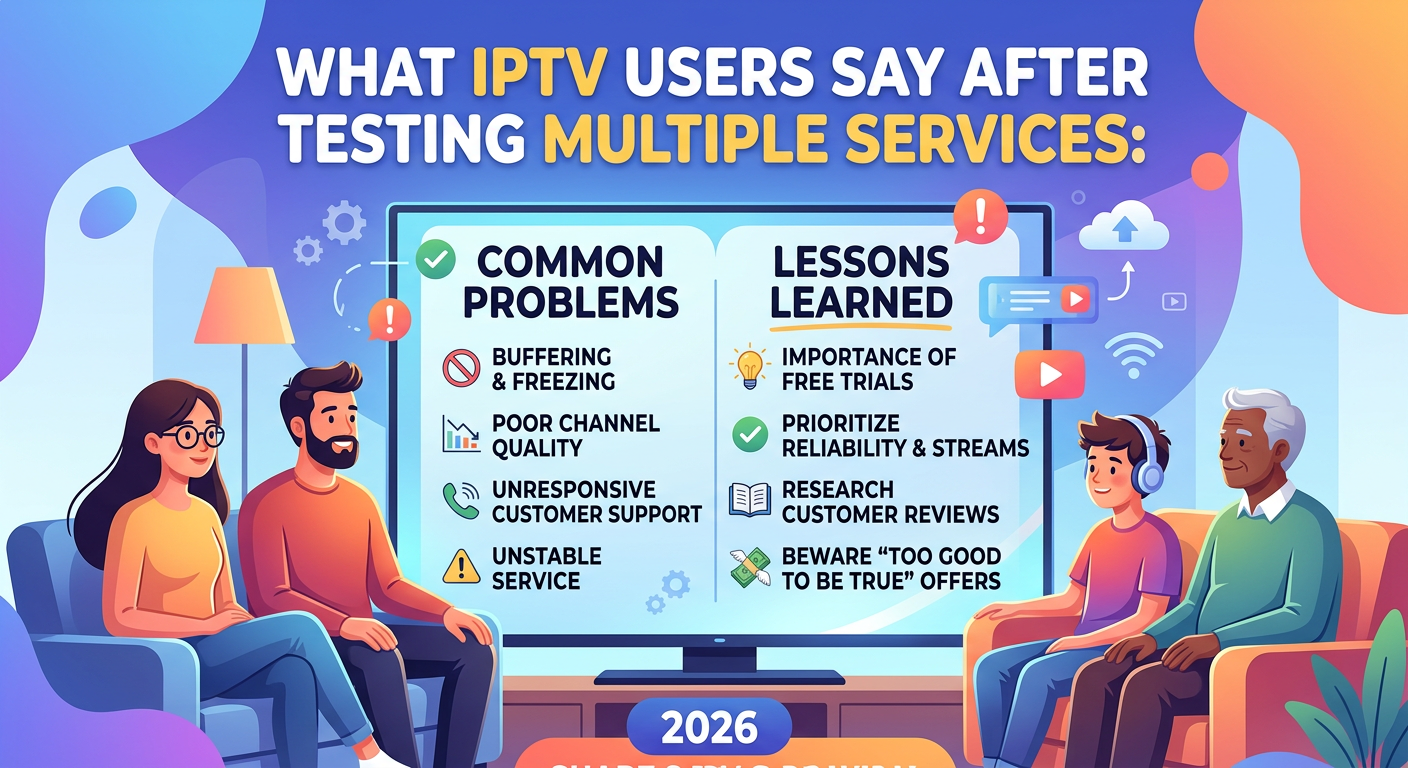
What Can Users Learn From Testing Multiple IPTV Services?
Many IPTV users switch between several providers before finding one that meets their expectations. While marketing pages often promise thousands of channels, ultra-HD quality, and buffer-free streaming, real-world experiences tell a more complicated story.
Across user discussions, reviews, and community feedback, several common themes appear repeatedly. The most successful IPTV experiences usually depend on server stability, network quality, and realistic expectations rather than flashy advertising claims.
Why Channel Count Can Be Misleading
One of the most frequent observations from experienced IPTV users is that channel quantity does not necessarily equal quality.
Many providers advertise:
- 15,000+ channels
- 20,000+ channels
- 30,000+ channels
However, users often report that a large portion of these channels may:
- Be duplicates
- Have low-quality streams
- Rarely receive viewers
- Experience frequent outages
What Matters More?
Instead of focusing on total channel count, experienced users typically evaluate:
- Channel reliability
- Stream quality
- Sports coverage
- Regional content availability
- Consistent uptime
A smaller but stable channel lineup often provides a better experience than an enormous catalog with inconsistent performance.
Why IPTV Buffers During Live Sports Events
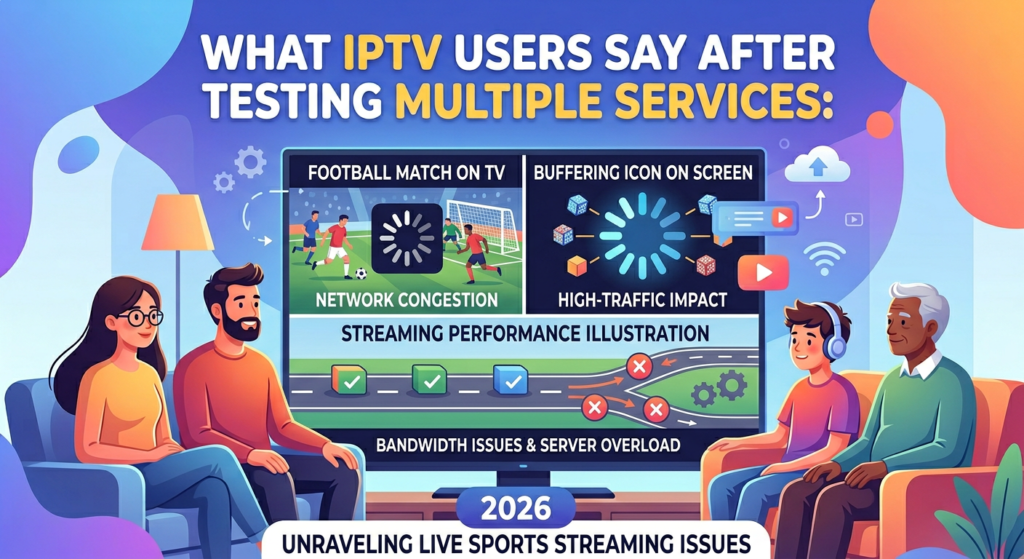
Buffering remains one of the biggest frustrations among IPTV users.
Common Causes
- Server Overload
- Slow Internet Speeds
- ISP Traffic Management
- Network Congestion
- Device Limitations
- Background Applications
Many users report that services perform well during regular viewing hours but struggle during major sporting events when thousands of viewers connect simultaneously.
Signs of Server Congestion
- Frequent buffering during football matches
- Streams freezing every few minutes
- Channels failing to load
- Quality dropping unexpectedly
For many users, sports events become the ultimate test of IPTV reliability.
The Truth About 4K IPTV Streams
Another lesson commonly shared by experienced users involves 4K content.
While many IPTV services advertise extensive 4K libraries, users often discover that not every stream labeled “4K” delivers native Ultra HD quality.
Common Situations
| Stream Type | User Experience |
|---|---|
| Native 4K | Excellent picture quality |
| Upscaled 1080p | Good but not true 4K |
| Upscaled 720p | Noticeably lower quality |
| Compressed 4K | Reduced visual detail |
Many users recommend judging stream quality by actual viewing experience rather than labels alone.
Why Extremely Cheap IPTV Plans Can Cause Problems
Price is another area where user experiences often align.
While low-cost subscriptions can be attractive, many users report that extremely cheap plans sometimes experience:
- More buffering
- Slower support responses
- Oversold servers
- Frequent outages
Users often discover that the cheapest subscription isn’t always the best value. Comparing pricing, features, and reliability can help you find the right option for your viewing needs. Www.apollotvsgroup.shop/pricing
Why Does This Happen?
Running IPTV infrastructure requires:
- Server resources
- Bandwidth
- Content management
- Technical support
When a service attracts too many users without sufficient infrastructure, performance can suffer during peak viewing periods.
Why Your Device Matters More Than You Think
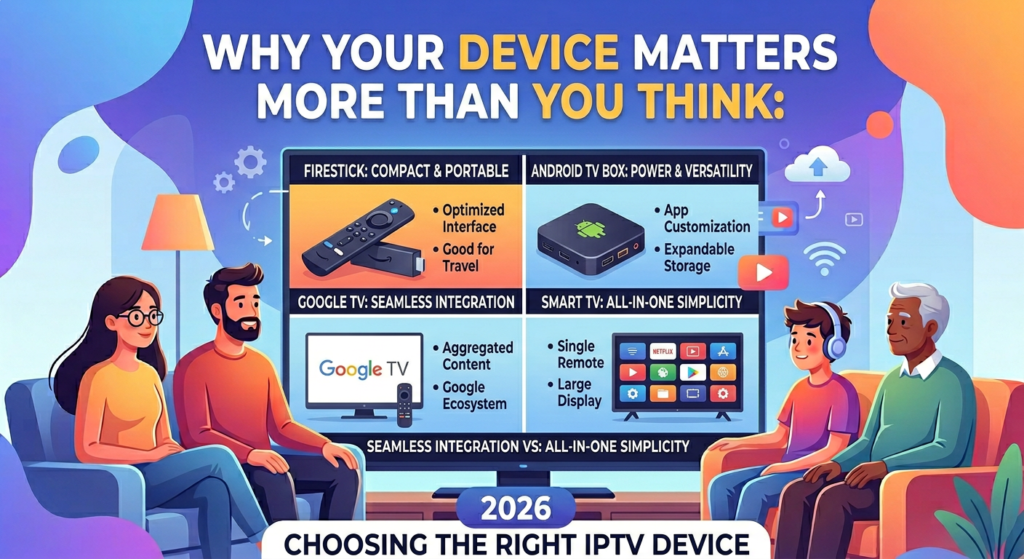
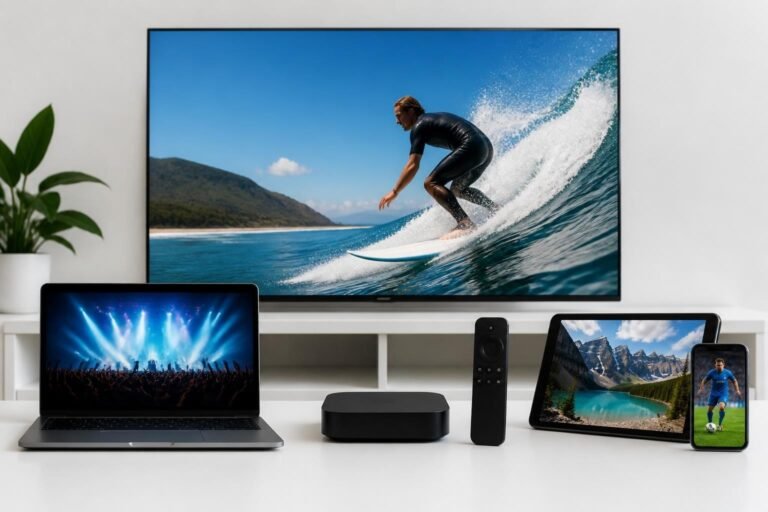
Many IPTV users discover that the streaming device plays an important role in overall performance.
Popular IPTV Devices
- Fire TV Stick 4K
- Android TV Boxes
- Google TV Devices
- NVIDIA Shield
- Smart TVs
Users frequently report better experiences when using dedicated streaming devices rather than older Smart TV applications.
Benefits of Dedicated Devices
- Faster navigation
- Better app compatibility
- Improved memory management
- More reliable updates
IPTV Apps: Helpful but Not a Magic Solution
Many discussions compare popular IPTV applications.
Examples include:
- IPTV Smarters
- Tivimate
- IBO Player
- Sparkle TV
While apps can improve usability and organization, users consistently point out that no application can completely fix a poor-quality IPTV service.
What Apps Can Improve
- User interface
- Electronic Program Guide (EPG)
- Playlist organization
- Recording features
- Channel management
What Apps Cannot Fix
- Server instability
- Buffering caused by overloaded infrastructure
- Missing channels
- Poor stream sources
Lessons Learned From Experienced IPTV Users
Based on recurring user feedback, several practical lessons emerge.
Lesson #1: Stability Beats Quantity
Reliable channels are more valuable than thousands of channels that rarely work.
Still having IPTV buffering or setup issues?
Get help with Firestick setup, IPTV apps, activation, and streaming issues.
Typically replies within minutes
Lesson #2: Test During Peak Hours
The true quality of a service often becomes visible during major sporting events and weekend evenings.
Lesson #3: Don’t Judge by Marketing Alone
Promotional claims should be verified through real-world performance.
Lesson #4: Quality Devices Matter
A capable streaming device can improve overall reliability and user experience.
Lesson #5: Buffering Usually Has Multiple Causes
Network quality, device performance, server capacity, and ISP behavior can all contribute to streaming issues.
Pros and Cons of IPTV Services
| Pros | Cons |
|---|---|
| Large content libraries | Potential buffering |
| Flexible viewing options | Variable service quality |
| Multiple device compatibility | Performance differences between providers |
| Live TV and on-demand access | Occasional channel outages |
| Cost-effective entertainment | Dependence on internet quality |
Frequently Asked Questions
What is the biggest complaint among IPTV users?
Buffering during live sports events is one of the most commonly reported issues.
Does more channels mean better IPTV quality?
Not necessarily. Many users prioritize stability and reliability over total channel count.
Are all IPTV 4K channels truly 4K?
No. Some streams may be upscaled versions of lower-resolution content.
Can IPTV apps fix buffering?
Apps can improve usability, but they cannot solve server-related issues.
What device do IPTV users commonly recommend?
Many users prefer dedicated streaming devices such as Fire TV Stick 4K, Android TV boxes, or Google TV devices.
Why do IPTV services perform differently during sports events?
High viewer demand can place additional strain on servers, especially during major matches.
Final Thoughts
Users who have tested multiple IPTV services often arrive at similar conclusions. Stability, consistent performance, and server reliability matter far more than impressive channel counts or marketing promises.
The most successful IPTV experience usually comes from choosing a service that performs well during peak viewing hours, offers reliable streams, and works smoothly with your preferred streaming device. While every user’s needs differ, the lessons shared by experienced IPTV viewers highlight a simple truth: long-term reliability is often more valuable than flashy features.
For a complete overview of our service, features, and supported devices, visit our homepage. Www.apollotvsgroup.shop