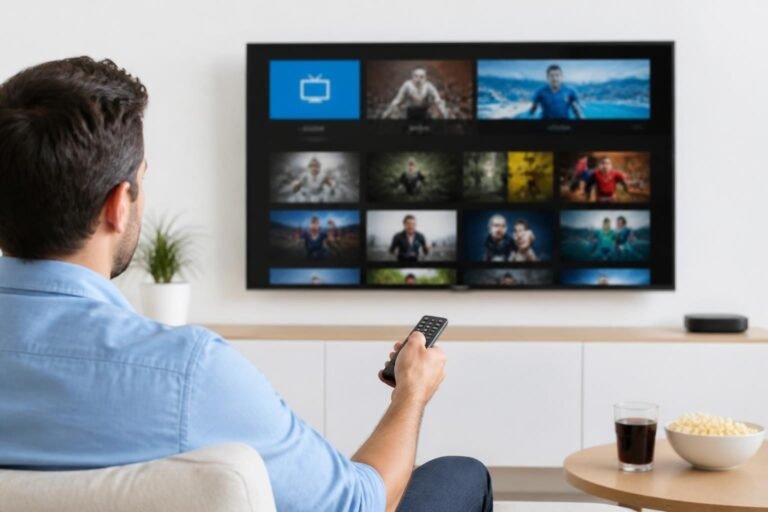

The television landscape has undergone a dramatic transformation over the past decade, with streaming technology fundamentally changing how we consume entertainment. Among the most significant developments in this evolution are iptv services, which deliver television programming through internet protocol networks rather than traditional satellite or cable formats. As we navigate through 2026, these services have become increasingly sophisticated, offering viewers unprecedented control over their viewing experience while often providing substantial cost savings compared to conventional television packages. Understanding how these systems work, what features to prioritize, and how to navigate the marketplace has become essential for anyone looking to modernize their home entertainment setup.
What Are IPTV Services?
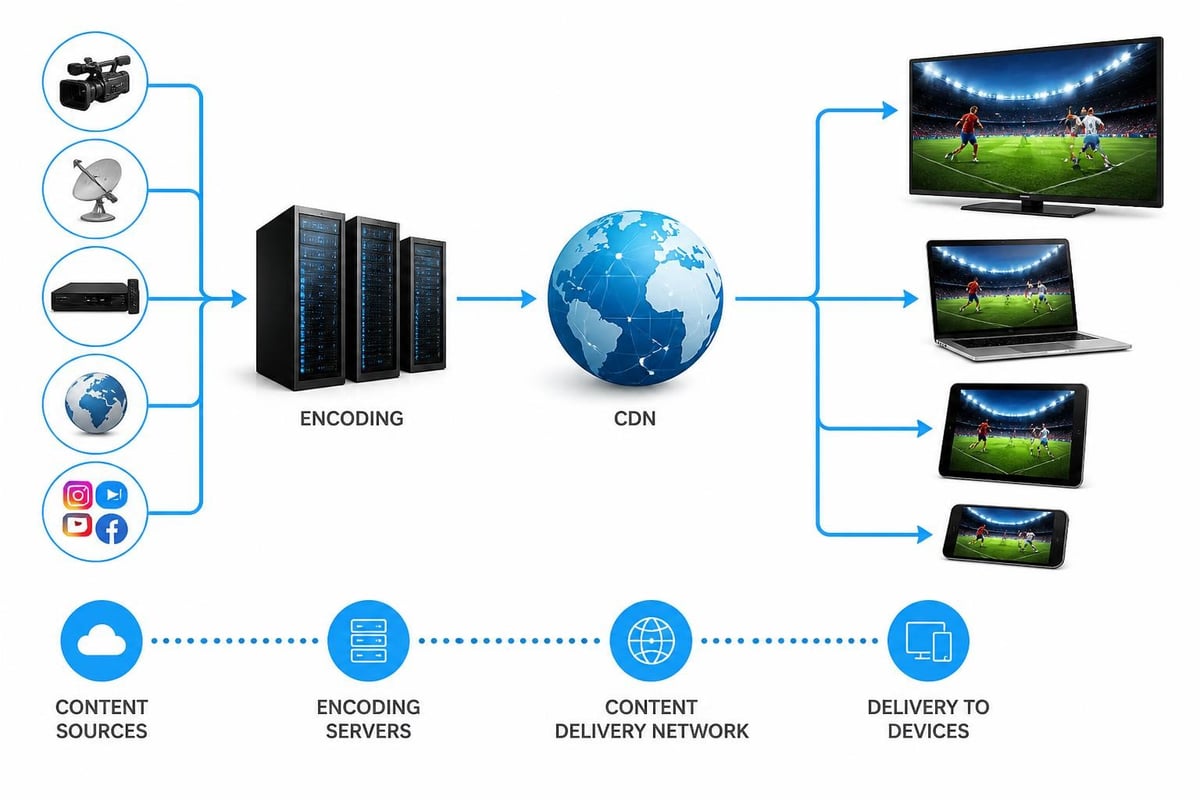
IPTV services are platforms that deliver television content using the Transmission Control Protocol/Internet Protocol suite to transmit video and audio data over broadband internet connections. Unlike traditional broadcast, cable, or satellite television that uses dedicated infrastructure, iptv services convert television signals into data packets that travel through the same internet connection you use for web browsing and email. This fundamental difference enables features and flexibility that conventional television simply cannot match, including true on-demand viewing, multi-device compatibility, and personalized content recommendations.
Key Takeaways
- IPTV delivers content through internet protocols instead of traditional broadcast methods, offering greater flexibility and control
- Legal IPTV services require proper licensing from content creators and distributors to operate legitimately
- Quality depends on internet connection speed, with most services requiring at least 10-25 Mbps for optimal performance
- Multi-device compatibility allows streaming on smartphones, tablets, smart TVs, and streaming devices simultaneously
- Cost-effectiveness often significantly undercuts traditional cable packages while providing more content options
- Advanced features like time-shifting, cloud DVR, and anti-freeze technology enhance the viewing experience
How IPTV Services Deliver Content
The delivery mechanism behind iptv services involves several distinct processes that work together seamlessly. When you select content to watch, your request travels to the IPTV provider’s servers, which then stream the requested video content directly to your device in real-time.
Three Primary IPTV Delivery Models
Live Television Streaming replicates the traditional broadcast experience, allowing viewers to watch scheduled programming as it airs. This model includes sports events, news broadcasts, and live entertainment shows transmitted in real-time.
Video on Demand (VOD) provides access to a library of stored content that viewers can access whenever convenient. This catalog typically includes movies, television series, documentaries, and special programming available for immediate streaming.
Time-Shifted Media enables viewers to watch previously aired content within a specific window, functioning similarly to a cloud-based DVR. This feature allows catching up on missed episodes or rewatching favorite programs without requiring local storage.

Technical Requirements for Optimal Performance
| Component | Minimum Specification | Recommended Specification |
|---|---|---|
| Internet Speed | 10 Mbps | 25+ Mbps |
| Router | WiFi 5 (802.11ac) | WiFi 6 (802.11ax) |
| Device RAM | 2 GB | 4+ GB |
| Storage | 8 GB available | 16+ GB available |
| Processor | Quad-core 1.5 GHz | Quad-core 2.0+ GHz |
Features to Look For in IPTV Services
Selecting the right provider requires understanding which features matter most for your viewing habits and household needs. Not all iptv services offer the same capabilities, and the differences can significantly impact your satisfaction.
Content Library Depth and Variety
The breadth of available channels and on-demand content separates premium services from basic offerings. Look for providers offering comprehensive channel lineups spanning entertainment, sports, news, international programming, and specialty content. A robust VOD library should include recent releases alongside classic content across multiple genres.
Streaming Quality and Reliability
Video quality directly impacts viewing enjoyment, with modern services typically offering multiple resolution options:
- Standard Definition (SD): 480p resolution, suitable for smaller screens and slower connections
- High Definition (HD): 720p or 1080p resolution, the standard for most current content
- 4K Ultra HD: 2160p resolution, providing exceptional clarity for compatible displays
- HDR Support: Enhanced color and contrast for supported content and displays
Anti-freeze technology prevents buffering interruptions by optimizing data delivery and maintaining stable connections even during network fluctuations. This feature has become increasingly important as households stream on multiple devices simultaneously.
Device Compatibility and Multi-Screen Support
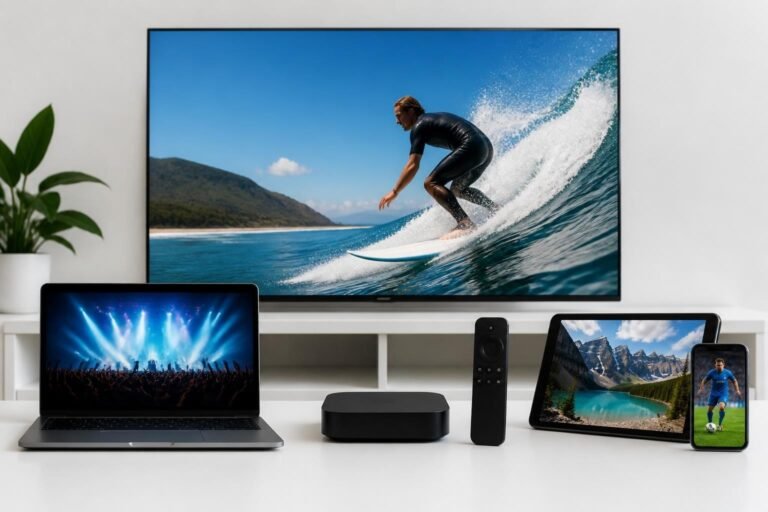
Modern households use various devices for entertainment consumption. Quality iptv services support:
- Smart TVs from major manufacturers (Samsung, LG, Sony)
- Streaming devices (Amazon Fire TV, Roku, Apple TV)
- Android and iOS smartphones and tablets
- Desktop computers and laptops
- Gaming consoles (PlayStation, Xbox)
Multi-device streaming allows different household members to watch different content simultaneously on separate screens, making this feature essential for families.
Legal Considerations for IPTV Services
The legality of iptv services depends entirely on whether providers have obtained proper licensing agreements from content creators and distributors. Legal IPTV services in the USA operate with the same licensing requirements as traditional cable companies, paying fees to broadcast networks, movie studios, and content owners.
Distinguishing Legal from Illegal Services
Licensed services maintain transparent business practices, including:
- Clear company information and customer support channels
- Published terms of service and privacy policies
- Verifiable payment processing through recognized financial institutions
- Content that matches legitimate licensing agreements
Unlicensed services often display warning signs such as unusually low prices that seem too good to be true, vague company information, cryptocurrency-only payment options, and access to premium content immediately after release without proper distribution windows.
Risks Associated with Unlicensed Providers
Beyond legal exposure, unlicensed IPTV networks pose security risks including malware distribution, identity theft, and financial fraud. These operations frequently collect user data without proper security measures, potentially exposing personal information to malicious actors.

Benefits of IPTV Services
The advantages of switching to IPTV extend beyond simple cost savings, fundamentally changing how households interact with television content.
Cost Efficiency
Traditional cable packages often include numerous channels viewers never watch, forcing payment for unwanted content. IPTV services typically offer more flexible pricing structures with customizable channel selections. Many providers eliminate equipment rental fees for set-top boxes, activation charges, and installation costs that cable companies routinely impose.
Flexibility and Control
Time-shifting capabilities mean never missing favorite programs due to scheduling conflicts. Cloud DVR functionality records content without requiring physical storage devices, while VOD libraries provide instant access to thousands of titles without waiting for scheduled airings. The Apollo Group TV Subscription exemplifies these benefits with comprehensive content access across multiple devices.
Enhanced User Experience
Modern IPTV platforms incorporate sophisticated recommendation algorithms that suggest content based on viewing history and preferences. Unified search functions locate desired content across live channels and VOD libraries simultaneously. Customizable interfaces let users organize favorite channels, create watchlists, and set parental controls tailored to household needs.
Why People Choose IPTV Services
Consumer preferences have shifted dramatically as streaming technology has matured, with specific factors driving adoption across different demographics.
Cord-cutters seeking to eliminate expensive cable contracts find comprehensive channel lineups without long-term commitments. International viewers access programming from home countries unavailable through traditional providers. Sports enthusiasts enjoy extensive coverage of domestic and international leagues across multiple devices. Budget-conscious families reduce entertainment expenses while maintaining content variety.
Common Problems and Solutions
Despite technological advances, iptv services occasionally encounter issues that impact viewing experience. Understanding these challenges and their remedies helps maintain optimal performance.
Buffering and Playback Issues
Problem: Video pauses frequently or quality degrades during playback.
Solutions:
- Test internet connection speed and upgrade if consistently below 25 Mbps
- Connect streaming device directly to router via Ethernet cable
- Reduce number of simultaneous users on network during peak viewing
- Close background applications consuming bandwidth
- Clear app cache and restart streaming device
- Contact internet service provider to check for network congestion
Authentication and Login Errors
Problem: Unable to access account or content loads incorrectly.
Solutions:
- Verify subscription status remains active and payment current
- Reset password through provider’s official recovery process
- Ensure using correct login credentials for specific service
- Update application to latest version
- Uninstall and reinstall app to refresh authentication tokens
Device Compatibility Issues
Problem: Service fails to work on specific devices or platforms.
Solutions:
- Confirm device meets minimum system requirements
- Update device firmware and operating system
- Check provider’s supported device list
- Try alternative streaming applications if available
- Use web browser version as temporary workaround
Comparing IPTV Services to Traditional Options
Understanding how iptv services stack up against alternatives helps consumers make informed decisions about their entertainment platforms.
| Feature | IPTV Services | Cable TV | Satellite TV | OTT Streaming |
|---|---|---|---|---|
| Installation | Self-setup or minimal | Professional required | Professional required | Self-setup |
| Equipment Costs | Low/none | Monthly rental fees | Upfront + rental | Low/none |
| Channel Selection | Extensive | Bundled packages | Bundled packages | Limited |
| Contract Length | Flexible | 12-24 months | 12-24 months | Month-to-month |
| Weather Impact | None | Minimal | Significant | None |
| DVR Capability | Cloud-based | Equipment-based | Equipment-based | Limited |
| Multi-device | Unlimited | Limited | Very limited | Unlimited |
The differences between IPTV and traditional services extend beyond simple delivery methods, fundamentally affecting cost structure, flexibility, and user experience.
Setting Up Your IPTV Service
Successful implementation requires proper configuration to maximize performance and reliability. The process varies slightly depending on your chosen device but follows similar fundamental steps.
Initial Setup Process
- Verify internet connection meets minimum speed requirements through speed testing tools
- Select compatible device from provider’s supported hardware list
- Download official application from device’s authorized app store
- Enter subscription credentials provided during account registration
- Configure video quality settings based on connection speed and display capabilities
- Organize channel favorites and customize interface preferences
- Test playback across different content types to ensure proper functionality
Optimizing Network Configuration
Position your router centrally within the home to ensure consistent signal strength across all viewing locations. Enable Quality of Service (QoS) settings in router configuration to prioritize streaming traffic over less time-sensitive data. Create separate network bands for streaming devices when using dual-band routers, dedicating the 5 GHz band to video content for reduced interference.
Advanced Features Enhancing IPTV Services
Modern platforms incorporate sophisticated technologies that elevate the viewing experience beyond simple content delivery.
Artificial Intelligence Integration
Machine learning algorithms analyze viewing patterns to generate personalized recommendations, predict content preferences, and optimize streaming quality based on network conditions. These systems continuously improve accuracy as they process more user interaction data.
Multi-Language Support
Global content libraries include subtitle options and audio tracks in multiple languages, making international programming accessible to diverse audiences. Automatic language detection adjusts interface preferences based on user settings.
Parental Controls and Content Filtering
Sophisticated filtering systems restrict access to age-inappropriate content through PIN protection, time-based viewing limits, and content rating enforcement. Detailed viewing reports help parents monitor children’s watching habits.
Choosing the Right IPTV Provider
The marketplace offers numerous options, requiring careful evaluation to identify services matching specific needs and preferences.
Evaluation Criteria
Content Alignment: Ensure channel lineup includes desired networks, sports leagues, international programming, and specialty content relevant to household interests.
Pricing Structure: Compare subscription models, including monthly versus annual plans, simultaneous stream allowances, and any hidden fees for premium features or channels.
Technical Support: Assess customer service availability through multiple channels (phone, email, chat), support hours, and responsiveness based on user reviews and testimonials.
Trial Availability: Test service quality, interface usability, and content selection through free trials or money-back guarantees before committing to long-term subscriptions.
Performance Reputation: Research independent reviews and real-world testing results to verify claimed performance specifications and reliability.
Future Trends in IPTV Technology
The evolution of iptv services continues accelerating, with several emerging technologies poised to further transform the viewing experience.
Enhanced Reality Integration
Augmented and virtual reality features will provide immersive viewing experiences, allowing users to feel present at live sporting events or interact with content in three-dimensional spaces. These technologies will blur lines between passive viewing and active participation.
8K Resolution and Beyond
As display technology advances, iptv services will increasingly support 8K resolution streaming, requiring more robust compression algorithms and faster internet connections. This evolution will demand continued infrastructure investment from both providers and internet service companies.
Blockchain and Decentralization
Distributed ledger technology may enable new content distribution models, reducing intermediary costs and providing direct creator-to-consumer connections. These systems could revolutionize licensing, royalty distribution, and content ownership verification.
Maximizing Your IPTV Investment
Getting the most value from your subscription involves utilizing available features and optimizing your setup for superior performance.
Content Discovery Strategies
Explore genre categories beyond familiar favorites to discover new programming matching your interests. Utilize watchlist features to bookmark intriguing titles for later viewing. Follow recommendation algorithms while occasionally venturing outside suggested content to maintain variety.
Quality Optimization Tips
- Adjust streaming quality manually during peak network usage hours
- Download content for offline viewing when available
- Schedule updates and maintenance during non-viewing hours
- Monitor data usage to avoid exceeding internet plan caps
- Regularly clear cache files to maintain app performance
Family Sharing Best Practices
Create individual profiles for household members to maintain separate watchlists and recommendations. Set appropriate parental controls for children’s profiles. Establish viewing schedules to prevent bandwidth competition during critical streaming periods.
Frequently Asked Questions
What internet speed do I need for IPTV services?
Most iptv services require minimum speeds of 10-15 Mbps for standard definition content, 25 Mbps for high definition streaming, and 50+ Mbps for 4K content or multiple simultaneous streams. Faster connections provide better quality and more reliable performance, especially in households with multiple users.
Are all IPTV services legal to use?
IPTV technology itself is completely legal, but services must obtain proper licensing from content owners to legally distribute programming. Licensed providers operate transparently with clear company information, legitimate payment processing, and proper content agreements. Unlicensed services violate copyright laws and expose users to legal and security risks.
Can I use IPTV services on multiple devices simultaneously?
Most quality providers allow multi-device streaming, though the number of simultaneous connections varies by subscription tier. Basic plans typically support 1-2 concurrent streams, while premium packages may allow 4-6 simultaneous connections across different devices and locations.
Do IPTV services work without cable internet?
IPTV services work with any broadband internet connection meeting minimum speed requirements, including DSL, fiber optic, cable, and fixed wireless. The internet source doesn’t need to be cable-based; what matters is consistent speed and reliability for uninterrupted streaming.
How much data do IPTV services consume?
Data consumption varies by streaming quality: standard definition uses approximately 1 GB per hour, high definition consumes 3 GB per hour, and 4K streaming requires 7-10 GB per hour. Households should monitor usage to avoid exceeding data caps imposed by internet service providers.
What devices are compatible with IPTV services?
Modern iptv services support smart TVs from major manufacturers, streaming devices (Fire TV, Roku, Apple TV, Chromecast), Android and iOS mobile devices, computers, tablets, and gaming consoles. Compatibility varies by provider, so verify device support before subscribing.
Can I record shows with IPTV services?
Many providers include cloud DVR functionality allowing program recording without local storage requirements. Recording limits vary by service, with some offering unlimited storage and others restricting total hours or retention periods. Time-shifting features also enable watching previously aired content without formal recording.
How do I troubleshoot buffering issues?
Buffering typically results from insufficient internet speed, network congestion, or device performance problems. Solutions include testing connection speed, connecting via Ethernet rather than WiFi, closing background applications, clearing app cache, updating software, or reducing streaming quality during peak usage periods.
Is VPN usage compatible with IPTV services?
While VPNs technically work with iptv services, they may reduce streaming speeds and some providers explicitly prohibit VPN usage in their terms of service. Legal services generally don’t require VPNs, and using them might indicate attempts to access geo-restricted content or mask unlicensed service usage.
What happens if my internet connection drops during streaming?
Most modern iptv services include buffering technology that temporarily stores content ahead of playback position, allowing short connection interruptions without stopping playback. Longer outages will pause streaming until connection restores, at which point playback typically resumes automatically from the interruption point.
How do IPTV services compare cost-wise to cable TV?
IPTV services typically cost 40-60% less than comparable cable packages while often providing more content variety and flexibility. Cable TV averages $100-150 monthly with equipment fees and taxes, while quality IPTV alternatives range from $20-60 monthly with minimal additional charges and no long-term contracts.
Do I need special equipment for IPTV services?
Unlike cable or satellite requiring proprietary set-top boxes, iptv services work with devices most households already own, including smart TVs, streaming sticks, smartphones, tablets, and computers. Some users prefer dedicated streaming devices for optimal performance, but they’re not mandatory for basic functionality.
Understanding iptv services empowers consumers to make informed entertainment decisions that balance cost, content variety, and technological capabilities. Whether you’re cutting the cord entirely or supplementing existing services, choosing the right provider requires evaluating content libraries, technical features, device compatibility, and support quality. Apollo Group TV delivers comprehensive IPTV access with over 100,000 live channels and 250,000 on-demand titles, combining anti-freeze technology and multi-device streaming in a flexible, cost-effective package that eliminates the complexity and expense of managing multiple subscriptions.