The landscape of sports broadcasting has undergone a dramatic transformation over the past few years. Traditional cable packages that once dominated living rooms across America are giving way to flexible, internet-based alternatives. Fans seeking streaming tv with sports now have more options than ever before, but this abundance has created both opportunities and challenges. The proliferation of platforms, each holding exclusive rights to different leagues and events, means viewers often need multiple subscriptions to catch all their favorite games. Understanding this complex ecosystem is essential for anyone looking to cut the cord while maintaining access to comprehensive sports coverage.
Streaming TV with Sports?
Streaming tv with sports refers to internet-based television services that provide live and on-demand access to sporting events, replacing traditional cable or satellite packages. These platforms deliver content through internet connections to various devices, offering flexibility in viewing while typically requiring multiple subscriptions to access complete sports coverage across different leagues and networks.
Key Takeaways
- Sports streaming has fragmented across multiple platforms, with 38% of U.S. internet households subscribing to sports-specific services
- Comprehensive sports coverage often requires combining multiple subscription services
- IPTV services can consolidate channels and reduce overall costs compared to traditional packages
- Device compatibility and streaming quality are critical factors for optimal viewing experiences
- The sports streaming market continues evolving with new partnerships and platform launches
The Current State of Sports Streaming
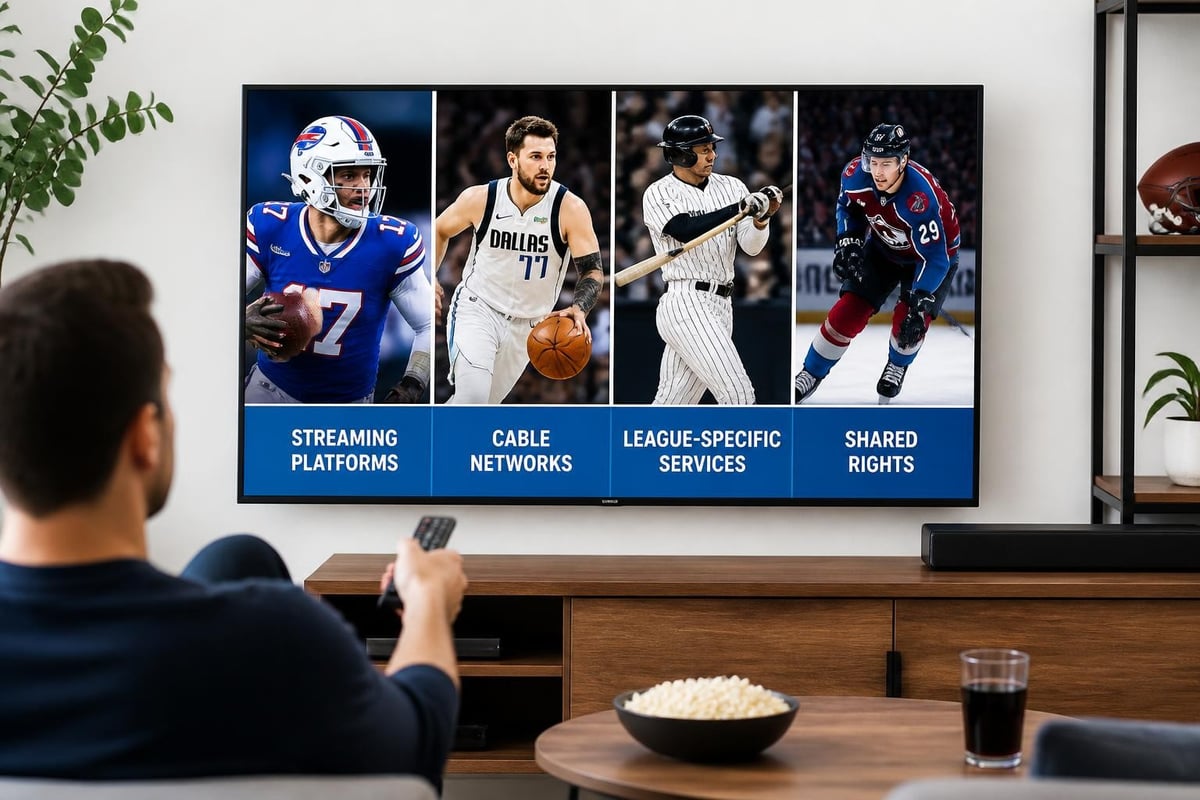
The sports streaming marketplace in 2026 reflects both innovation and fragmentation. Major leagues have signed exclusive deals with different platforms, forcing dedicated fans to subscribe to multiple services simultaneously.
Platform Proliferation and Rights Distribution
Traditional broadcasters like ESPN, FOX, and NBC now compete with digital-native platforms for exclusive rights. This competition has driven up costs for both providers and consumers. According to research, 33% of U.S. internet households now subscribe to direct-to-consumer sports streaming services, demonstrating the significant shift away from cable bundles.
The major leagues have adopted different strategies:
- NFL: Games split between network television, cable channels, and streaming exclusives
- NBA: National broadcasts on cable with League Pass for out-of-market games
- MLB: Regional sports networks plus MLB.TV streaming service
- NHL: ESPN+ holds significant rights alongside traditional broadcasts
- Soccer: Fragmented across multiple platforms depending on league and competition
Consumer Frustration and Complexity
Many American sports fans express frustration with the high costs and complexity of accessing live games across multiple platforms. The average sports enthusiast might need subscriptions to four or five different services to follow their teams throughout a season. This fragmentation contradicts the original promise of streaming: simplified, affordable access to content.
Why People Choose Streaming TV with Sports
Despite the challenges, millions of viewers have migrated to streaming tv with sports for compelling reasons that extend beyond simple cost savings.
Flexibility and Control
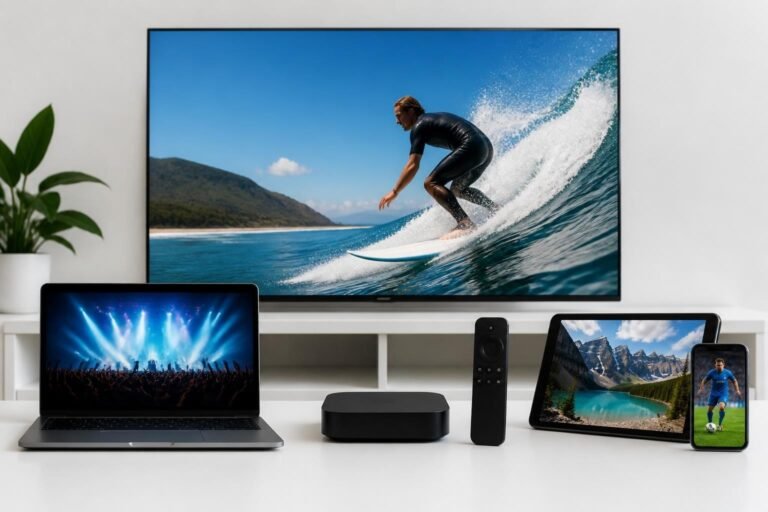
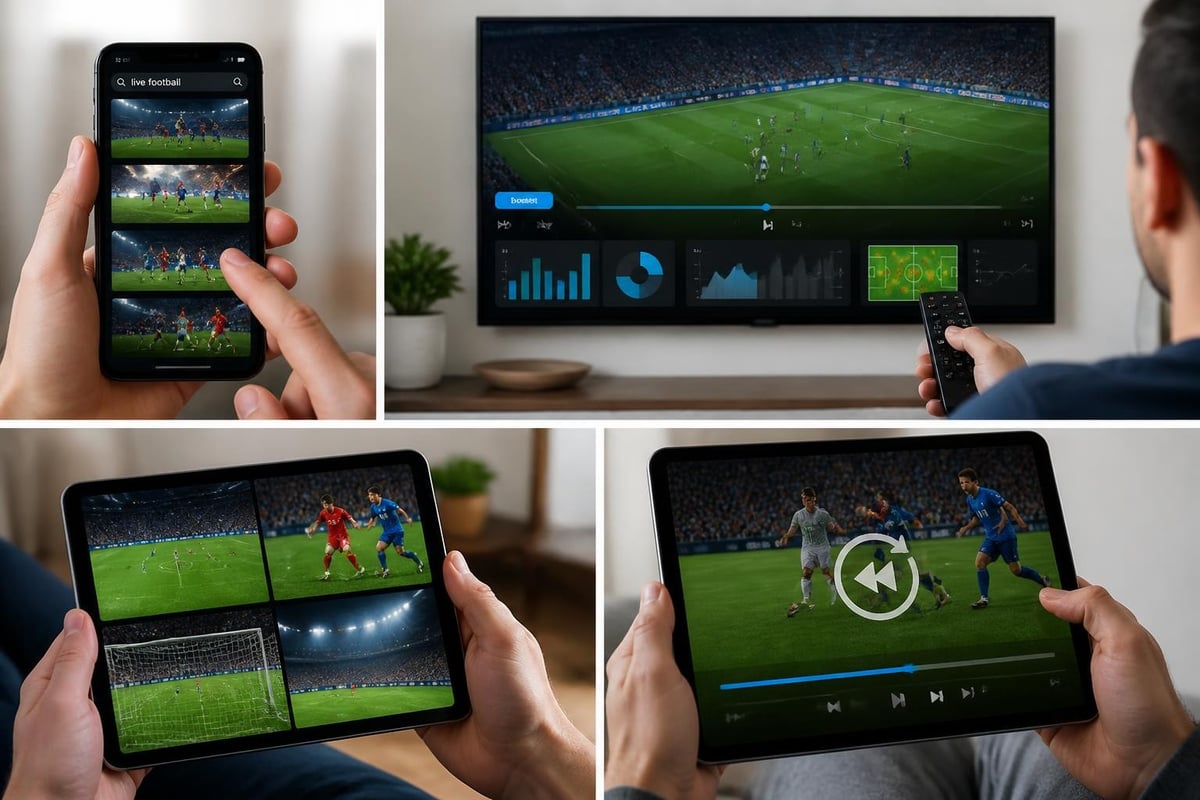
Streaming platforms offer unprecedented control over viewing experiences. Fans can watch on smartphones during commutes, switch to tablets during lunch breaks, and finish games on smart TVs at home. This multi-device compatibility fits modern lifestyles better than location-bound cable boxes.
No Long-Term Commitments
Unlike traditional cable contracts requiring annual commitments, most streaming services operate on month-to-month subscriptions. Viewers can subscribe during their team’s season and cancel during off-seasons, optimizing spending around actual viewing habits.
Advanced Features
Modern streaming platforms provide capabilities impossible with traditional broadcasts:
- Multiple camera angles and viewing perspectives
- Real-time statistics and data overlays
- Interactive elements and social features
- Instant replay control
- Condensed game replays for time-shifted viewing
Comparing Major Sports Streaming Options
Understanding the landscape requires examining specific platforms and their offerings. The table below compares primary services for streaming tv with sports:
| Service | Monthly Cost | Sports Coverage | Key Features | Best For |
|---|---|---|---|---|
| YouTube TV | $72.99 | Extensive cable sports | Unlimited DVR, 3 streams | Comprehensive sports fans |
| Fubo | $79.99 | Premium sports focus | 1000 hours DVR, international sports | Soccer and international fans |
| Hulu + Live TV | $76.99 | Major networks | Disney+ bundle included | ESPN content consumers |
| ESPN+ | $10.99 | Exclusive content | UFC, college sports | Niche sports enthusiasts |
| DAZN | $24.99 | Boxing, soccer, international | Fight sports focus | Combat sports fans |
| Peacock | $5.99-$11.99 | NBC sports | Premier League, WWE | English soccer fans |
Platform-Specific Strengths
Each service excels in different areas. HBO Max leads with 35% of available sports programming, though this metric includes sports-adjacent content like documentaries and analysis shows.
YouTube TV provides the most comprehensive traditional sports package, closely mimicking cable channel lineups. Fubo targets serious sports enthusiasts willing to pay premium prices for maximum coverage. ESPN+ fills gaps left by other services, particularly for college athletics and niche sports.
Features to Look For in Sports Streaming Services
Selecting the right platform for streaming tv with sports requires evaluating several critical factors beyond simple channel counts.
Streaming Quality and Reliability
Resolution Options
Modern sports streaming should deliver at minimum 1080p resolution, with premium services offering 4K for select events. Higher resolutions matter significantly for sports where tracking small objects (balls, pucks) is essential.
Latency and Delays
Streaming typically lags 30-60 seconds behind cable broadcasts. This delay creates issues when friends watching via different methods spoil outcomes through texts or social media. Some platforms have reduced this gap, but it remains a consideration.
Buffer and Freeze Prevention
Nothing frustrates sports fans more than streams freezing during crucial moments. Quality services implement anti-freeze technology and adaptive bitrate streaming to maintain smooth playback across varying internet conditions.
Device Compatibility and User Experience
The best platforms support comprehensive device ecosystems:
- Smart TVs: Native apps for Samsung, LG, Vizio, and other major manufacturers
- Streaming Devices: Roku, Amazon Fire TV Stick, Apple TV, Chromecast
- Mobile Devices: iOS and Android smartphones and tablets
- Game Consoles: PlayStation and Xbox integration
- Web Browsers: Desktop and laptop access
For viewers with Amazon Fire TV Stick devices, finding services with easy IPTV setup and streaming optimized for Firestick ensures minimal technical hurdles and maximum compatibility.

Common Problems and Solutions
Even the best streaming services encounter issues. Understanding common problems helps viewers prepare solutions in advance.
Subscription Stack Overload
Problem: Needing five or six subscriptions to watch all desired sports creates financial burdens exceeding cable costs.
Solutions:
- Rotate subscriptions seasonally based on active sports schedules
- Share accounts with family members where terms of service allow
- Consider comprehensive IPTV alternatives consolidating multiple channels
- Evaluate which sports are truly essential versus nice-to-have
Regional Blackout Restrictions
Problem: Many streaming services enforce geographic blackouts for local teams, ironically preventing local fans from watching their own teams.
Solutions:
- Combine streaming services with antenna for local broadcasts
- Use league-specific services for out-of-market games
- Verify blackout policies before subscribing
- Consider VPN solutions where appropriate and permitted
Technical Performance Issues
Problem: Buffering, quality drops, or connection failures during live events.
Solutions:
| Issue | Likely Cause | Fix |
|---|---|---|
| Constant buffering | Insufficient bandwidth | Upgrade internet plan to minimum 25 Mbps |
| Quality degradation | Network congestion | Connect via ethernet instead of Wi-Fi |
| App crashes | Outdated software | Update streaming app and device firmware |
| Login errors | Account sharing limits | Reduce simultaneous streams |
| Audio sync issues | Processing delays | Restart app and clear cache |
Benefits of Comprehensive IPTV for Sports
While individual streaming apps serve specific purposes, comprehensive IPTV services offer unique advantages for streaming tv with sports enthusiasts seeking simplified solutions.
Unified Access Point
Rather than switching between multiple apps, platforms, and interfaces, IPTV consolidates content into single environments. This unification means:
- One search function across all available content
- Unified channel guides showing all sports simultaneously
- Single billing and account management
- Consistent user interface regardless of content source
Cost Efficiency
Subscribing to four or five individual streaming services easily exceeds $50-$80 monthly. Comprehensive IPTV alternatives often provide broader channel access at competitive pricing structures. The one-time payment models some services offer eliminate recurring subscription fatigue entirely.
Superior Channel Variety
Premium IPTV platforms provide access to regional sports networks, international sports channels, and niche programming unavailable through mainstream streaming apps. This breadth ensures fans of less popular sports find their content without specialized subscriptions.
Advanced Technical Features
Modern IPTV services implement sophisticated technologies:
- Anti-freeze technology maintaining stream stability during high traffic
- Multi-device streaming allowing simultaneous viewing across household members
- Electronic program guides (EPG) with comprehensive scheduling information
- Catch-up functionality for games missed during original broadcast times
Evaluating Streaming TV with Sports Options
Selecting the optimal solution requires systematic evaluation aligned with personal viewing priorities and technical capabilities.
Step-by-Step Selection Process
- Audit Your Sports Interests: List all leagues, teams, and events you want to watch regularly
- Research Broadcasting Rights: Determine which platforms hold rights to your priority content
- Calculate Total Costs: Add up monthly fees for all required services
- Assess Technical Requirements: Verify your internet speed and device compatibility
- Test Services: Use free trials to evaluate streaming quality and user experience
- Consider Seasonal Needs: Determine if year-round subscriptions make sense or seasonal rotation works better
Questions to Ask Before Subscribing
Before committing to any streaming tv with sports service, consider these critical questions:
- Does the service carry all channels broadcasting my favorite teams?
- What happens during regional blackouts?
- How many simultaneous streams does the subscription allow?
- Can I download content for offline viewing?
- What’s the cancellation policy and notice requirement?
- Does the service include DVR functionality for recording games?
- Are there additional fees for premium features or events?
- How frequently do streaming rights change or expire?
The Role of Metadata in Sports Streaming
Metadata has become key to compelling fan experiences as sports migrate to streaming platforms. This behind-the-scenes information architecture powers discovery, personalization, and enhanced viewing experiences.
Effective metadata enables:
- Accurate search results when looking for specific games or teams
- Personalized recommendations based on viewing history
- Enhanced statistical overlays during live streams
- Improved content organization in archives and libraries
- Better integration with voice assistants and smart home systems
Services investing in robust metadata infrastructure deliver superior user experiences, making content easier to find and enjoy.
Platform Consolidation Efforts
Recognizing viewer frustration with fragmentation, companies like Roku and ESPN are working to streamline the viewing experience. These efforts aim to create unified interfaces aggregating content across multiple services.
ESPN’s upcoming flagship streaming service promises to consolidate much of its scattered content. Roku’s Sports Zone aggregates sports content from various subscribed services into single browsing experiences. These developments suggest the industry recognizes current fragmentation as unsustainable.
However, true consolidation faces obstacles including competing business interests, complex rights negotiations, and the significant revenue platforms derive from exclusive content. The path forward likely involves hybrid models balancing accessibility with exclusivity.
Broadcast TV’s Continued Relevance
Despite streaming’s growth, survey findings indicate sports fans still favor broadcast TV, particularly for major events. This preference stems from several factors:
Reliability: Broadcast signals don’t buffer or quality-adjust during crucial moments
Accessibility: Free over-the-air broadcasts require no subscriptions or internet connections
Tradition: Established viewing habits and superior picture quality for some viewers
Social Experience: Lower latency enables real-time watching with friends and family
This persistent preference for broadcasts suggests successful streaming tv with sports strategies may involve hybrid approaches combining antenna-based local channels with streaming supplements for comprehensive coverage.
Future Trends in Sports Streaming
The sports streaming landscape continues evolving rapidly. Several trends will shape experiences in coming years:
Direct-to-Consumer League Services
More leagues are launching proprietary streaming platforms, cutting out intermediary broadcasters. This direct relationship allows leagues to:
- Capture more revenue from dedicated fans
- Control presentation and enhance experiences
- Build comprehensive historical archives
- Implement tiered pricing for different access levels
Enhanced Interactivity
Future platforms will blur lines between watching and participating through:
- Integrated sports betting within streaming interfaces
- Real-time polling and prediction games
- Choose-your-own camera angle experiences
- Virtual reality and augmented reality viewing options
- Social viewing parties with synchronized playback
AI-Powered Personalization
Artificial intelligence will transform content discovery and presentation, creating customized highlights, personalized commentary options, and predictive recommendations based on sophisticated analysis of viewing patterns.
Practical Tips for Optimizing Your Sports Streaming
Maximizing your streaming tv with sports experience requires both smart purchasing decisions and technical optimization.
Internet Infrastructure
Minimum Requirements:
- 25 Mbps for single 4K stream
- 50 Mbps for household with multiple simultaneous streams
- 100+ Mbps for optimal experience with buffer capacity
Network Optimization:
- Position routers centrally with minimal obstructions
- Use ethernet connections for primary viewing devices
- Upgrade to Wi-Fi 6 routers for better multi-device performance
- Implement Quality of Service (QoS) settings prioritizing streaming traffic
Device Selection
Not all streaming devices perform equally. Consider these factors:
- Processing power affects menu responsiveness and app stability
- 4K HDR support matters for premium content
- Remote control design impacts daily usability
- App ecosystem determines available services
- Price reflects feature sets and longevity
Account Management
- Use strong, unique passwords for each streaming service
- Enable two-factor authentication where available
- Review sharing settings to prevent unauthorized access
- Monitor subscription charges monthly for unexpected increases
- Set calendar reminders before free trial periods end
FAQ
What is the cheapest way to stream sports?
The most affordable option depends on which sports matter to you. ESPN+ at $10.99 monthly covers niche sports and college athletics. For major professional leagues, combining an antenna for local broadcasts with a single comprehensive streaming service typically costs $50-$70 monthly. IPTV services often provide broader coverage at competitive rates compared to subscribing to multiple individual platforms.
Can I watch all sports on one streaming service?
No single mainstream streaming service currently offers complete sports coverage. Broadcasting rights are distributed across multiple platforms, requiring viewers to subscribe to several services for comprehensive access. However, comprehensive IPTV alternatives can consolidate numerous channels into single platforms, reducing the need for multiple subscriptions.
Do I need cable internet to stream sports?
While cable internet commonly provides sufficient speeds, it’s not the only option. Fiber optic internet often delivers superior performance. 5G home internet services now offer viable alternatives in many markets. The key requirement is consistent speeds of at least 25 Mbps regardless of provider type. Satellite internet typically struggles with latency issues affecting live sports streaming.
How much internet speed do I need for streaming tv with sports?
For standard HD streaming, 5-10 Mbps per stream suffices. 4K streaming requires 25 Mbps per stream. Households with multiple simultaneous users should calculate total needs and add 25-50% buffer capacity. During major sporting events when entire neighborhoods stream simultaneously, extra bandwidth prevents quality degradation from network congestion.
Why do streaming services have blackout restrictions?
Blackouts protect local broadcasters’ exclusive rights and encourage attendance at live events. When local stations pay for exclusive regional broadcasting rights, streaming services must block those games in affected markets. These restrictions frustrate fans but reflect complex contractual obligations between leagues, broadcasters, and streaming platforms.
Can I record sports on streaming services?
Many streaming platforms include cloud DVR functionality, though capabilities vary significantly. YouTube TV offers unlimited storage, while others impose hour limits. Recording features typically allow pausing, rewinding, and replaying live sports. Check specific service terms, as some restrict fast-forwarding through commercials on recorded content.
What happens if my internet goes out during a game?
Internet outages immediately halt streaming, unlike cable or satellite services with independent signal delivery. Consider backup options like mobile hotspots for critical games. Some smartphones can tether data connections to streaming devices as temporary solutions. Unlimited mobile data plans provide insurance against missing crucial moments due to home internet failures.
Are sports streaming services available outside the United States?
Geographic availability varies by service and content rights. Many platforms restrict access to specific countries based on licensing agreements. VPN services sometimes bypass geographic restrictions, though this may violate terms of service. International viewers should verify availability in their regions before subscribing and consider services specifically targeting international markets.
How do I choose between YouTube TV, Hulu Live, and Fubo?
Compare channel lineups against your specific sports interests. YouTube TV offers the broadest general sports coverage. Fubo excels for soccer fans with extensive international offerings. Hulu Live TV provides value if you also want Disney+ and ESPN+ bundled. Free trials let you test interfaces, streaming quality, and channel selections before committing.
Can multiple people watch different channels simultaneously?
Most services allow 2-3 simultaneous streams on basic subscriptions, with upgrades available for additional streams. This enables family members to watch different sports concurrently on separate devices. IPTV services often support more generous multi-device streaming, accommodating larger households without premium tier requirements.
What are regional sports networks and why do they matter?
Regional Sports Networks (RSNs) broadcast local professional team games in specific geographic markets. They’re crucial for following hometown teams but are increasingly absent from standard streaming packages due to cost disputes. Fans of local teams must verify RSN availability before cutting cable, as these channels often require specific streaming services or cable subscriptions.
Is streaming sports in 4K worth the extra cost?
For large screen viewing (65+ inches), 4K significantly enhances detail visibility, particularly for sports requiring tracking small objects like hockey pucks or golf balls. Smaller screens show less dramatic differences. Consider your display size, viewing distance, and whether premium sports packages justify additional monthly costs. Many casual viewers find HD perfectly adequate for enjoyable sports viewing.
The transformation of sports broadcasting continues reshaping how fans access their favorite teams and events. While streaming tv with sports offers unprecedented flexibility and features, navigating the fragmented landscape requires careful platform evaluation and often multiple subscriptions. Apollo Group TV simplifies this complexity by consolidating over 100,000 live channels, including comprehensive sports coverage, into a single accessible platform with anti-freeze technology and multi-device support. Rather than juggling multiple subscriptions and interfaces, viewers gain unified access to the sports content they love without the hassle of traditional cable contracts or subscription fatigue.