
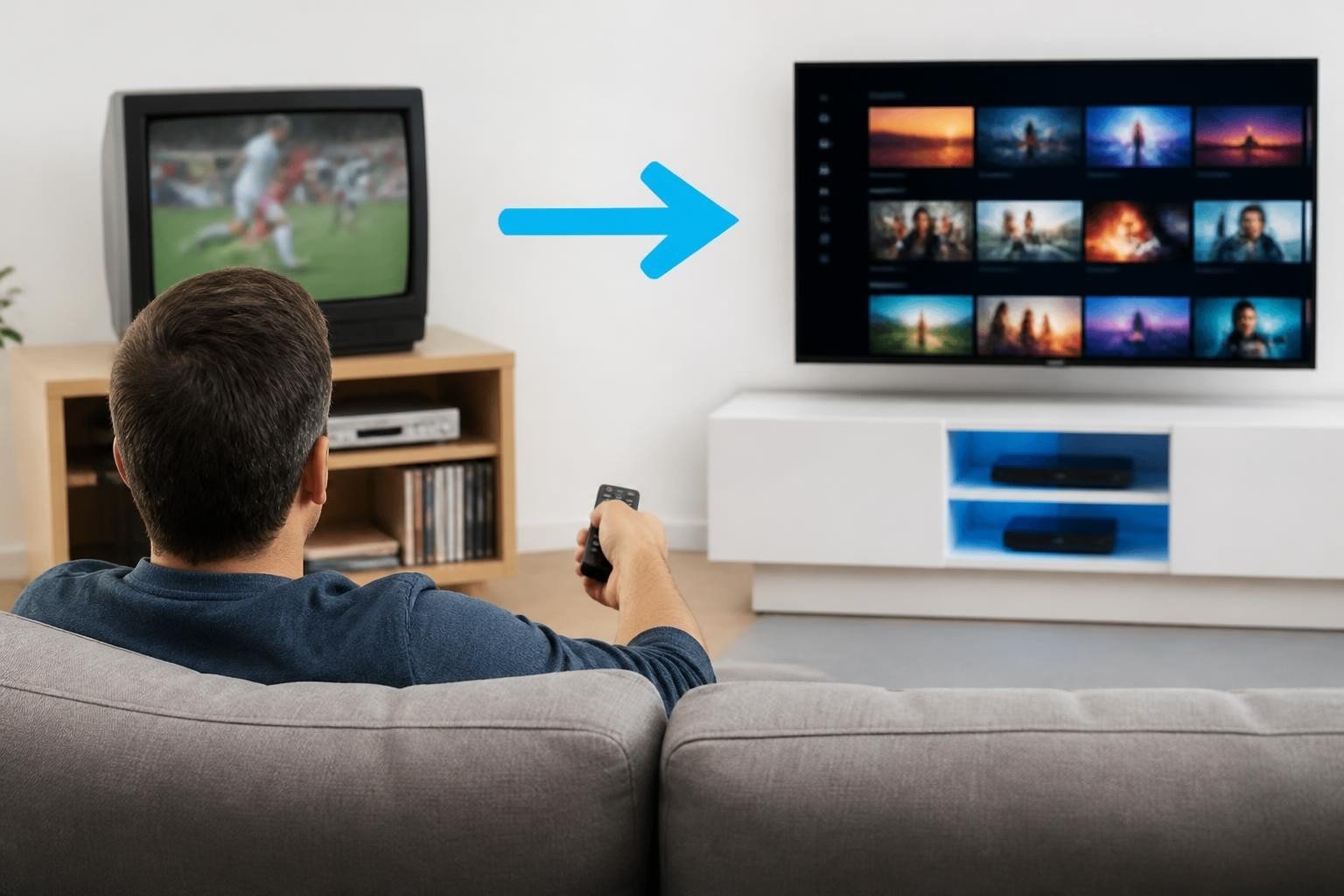
The landscape of television consumption has undergone a dramatic transformation over the past decade. Traditional cable and satellite services are steadily losing ground to internet-based alternatives that offer unprecedented flexibility, affordability, and content variety. As we progress through 2026, the stream tv service market has matured into a sophisticated ecosystem that caters to every viewing preference, from live sports enthusiasts to binge-watching movie lovers. Understanding how these services work, what they offer, and how to choose the right option has become essential for anyone looking to optimize their entertainment experience while managing costs effectively.
Understanding Modern Streaming Technology
A stream tv service operates fundamentally differently from traditional broadcast television. Instead of receiving signals through cable lines or satellite dishes, these platforms deliver content over your internet connection using adaptive bitrate streaming technology. This method continuously adjusts video quality based on your available bandwidth, ensuring smooth playback even when network conditions fluctuate.
The technological infrastructure behind streaming services has evolved considerably. Most providers now utilize Content Delivery Networks (CDNs) that store copies of popular content across multiple geographic locations. When you request a show or movie, the system routes your connection to the nearest server, minimizing latency and buffering issues.
Key Components of Streaming Infrastructure
Modern streaming platforms rely on several essential technologies working in concert:
- Adaptive bitrate streaming that automatically adjusts quality based on connection speed
- Cloud-based transcoding that converts content into multiple formats for different devices
- Edge caching that stores frequently accessed content closer to end users
- Content encryption that protects streams from unauthorized access and piracy
Anti-freeze technology has become particularly important in 2026. This innovation proactively monitors connection quality and pre-buffers content to prevent interruptions. When implemented correctly, viewers experience virtually no disruption even during peak usage hours or temporary network congestion.
Live Channels vs. On-Demand Content
The stream tv service market offers two primary content delivery models, each serving distinct viewer needs. Understanding the differences between live and on-demand streaming helps consumers make informed decisions about which services best match their viewing habits.
Live Streaming Capabilities
Live channel streaming replicates the traditional television experience while adding modern conveniences. These services transmit real-time broadcasts of news, sports, entertainment, and special events. The technical challenge involves minimizing delay between the actual broadcast and what viewers see on their screens-a metric known as latency.
Professional sports broadcasts particularly benefit from low-latency streaming. Nobody wants to hear their neighbor's cheer before witnessing the winning touchdown themselves. Leading providers have reduced typical delays from 30-40 seconds down to under 10 seconds in 2026.
Live streaming services typically include:
- Electronic Program Guides (EPG) displaying scheduled programming
- Time-shifting features allowing pause and rewind of live content
- Cloud DVR storage for recording shows to watch later
- Multi-view options enabling simultaneous channel monitoring
On-Demand Library Access
On-demand streaming gives viewers complete control over what to watch and when to watch it. These libraries contain thousands of movies, complete television series, documentaries, and original productions. Consumer Reports provides detailed comparisons of various streaming platforms and their content catalogs.
The size and quality of on-demand libraries vary significantly between providers. Some services focus on recent releases and popular titles, while others maintain extensive archives spanning decades of television history. Content licensing agreements determine availability, which explains why shows and movies periodically appear and disappear from specific platforms.
Device Compatibility and Multi-Screen Streaming
A quality stream tv service must function seamlessly across the diverse range of devices consumers use daily. The average household in 2026 owns approximately seven streaming-capable devices, from smartphones and tablets to smart TVs and dedicated streaming boxes.
| Device Type | Typical Compatibility | Setup Complexity |
|---|---|---|
| Smart TVs | Built-in apps | Low |
| Streaming Sticks (Firestick, Roku) | Universal support | Very Low |
| Gaming Consoles | Major platforms | Medium |
| Mobile Devices | iOS and Android apps | Very Low |
| Web Browsers | HTML5 support required | Low |
Simultaneous Stream Management
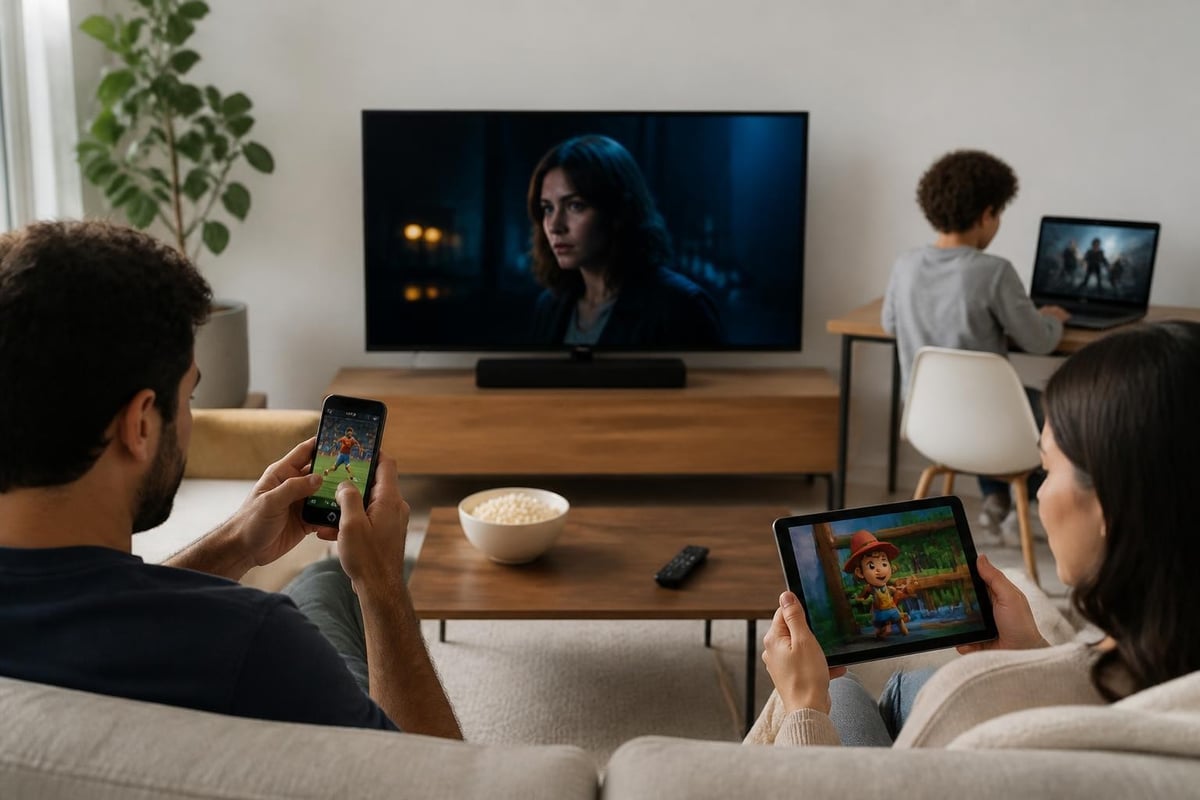
Modern households rarely watch one screen at a time. Parents might stream news in the kitchen while children watch cartoons in the living room and teenagers binge series in their bedrooms. Understanding simultaneous stream limitations prevents frustrating conflicts during peak viewing hours.
Premium services typically allow 3-5 concurrent streams, though some impose restrictions based on subscription tiers. Families with heavy streaming usage should prioritize services offering generous simultaneous streaming allowances. Account sharing policies have tightened across the industry, with providers implementing location verification and device authentication to ensure compliance with licensing agreements.
Cost Analysis and Subscription Models
The financial appeal of streaming services initially centered on cord-cutting potential-eliminating expensive cable packages. However, streaming usage trends show that consumers often subscribe to multiple platforms, sometimes exceeding their previous cable costs.
Subscription Pricing Structures
Stream tv service providers employ various pricing strategies in 2026. Monthly subscriptions remain most common, ranging from budget-friendly ad-supported tiers to premium ad-free experiences. Annual subscriptions typically offer 15-20% savings compared to monthly billing.
Common pricing tiers include:
- Entry-level ad-supported: $5-10 monthly
- Standard ad-free: $12-18 monthly
- Premium multi-stream: $18-25 monthly
- Live TV bundles: $40-80 monthly
Some innovative providers have introduced one-time payment models that eliminate recurring subscription fatigue. This approach particularly appeals to consumers frustrated by managing multiple monthly charges across different platforms. Apollo Group TV Subscription exemplifies this alternative approach, offering extensive content libraries through a simplified payment structure.
Hidden Costs and Considerations
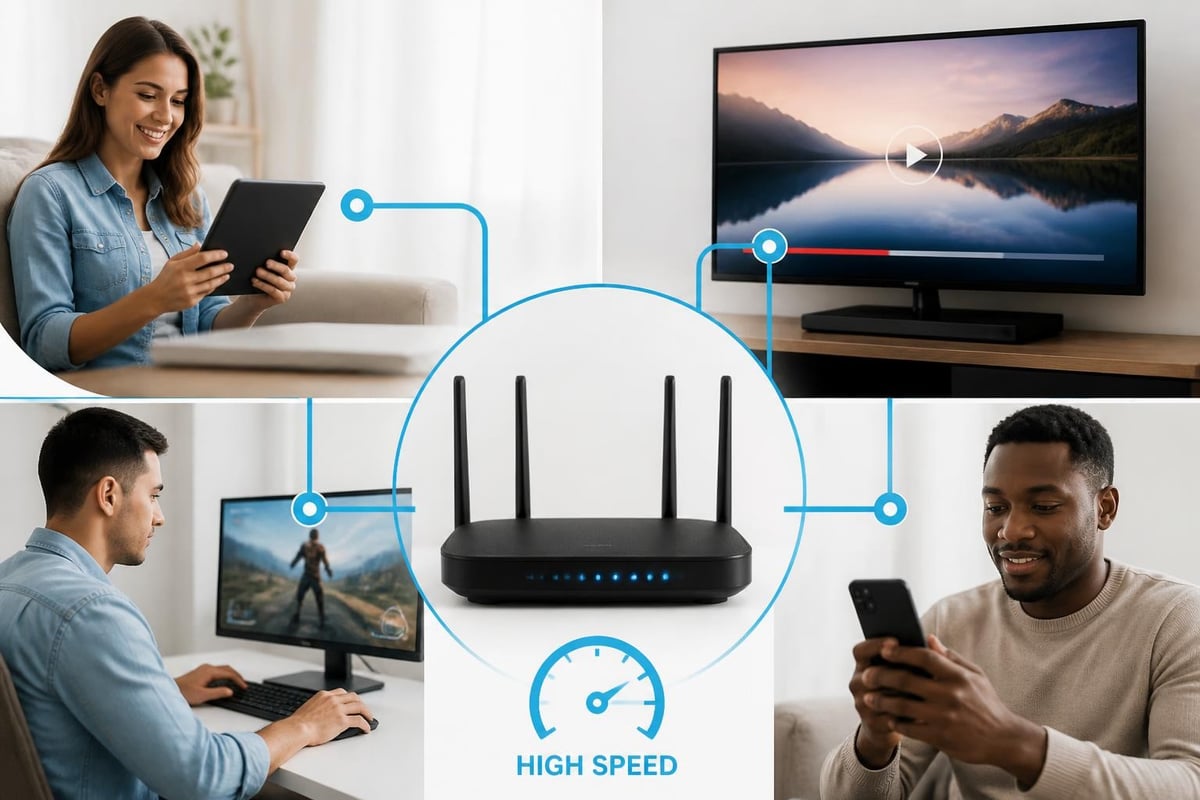
Beyond base subscription fees, consumers should account for ancillary expenses. High-speed internet requirements can add $50-100 monthly depending on your area and speed tier. Most stream tv service platforms recommend minimum speeds of 25 Mbps for HD content and 50+ Mbps for 4K streaming with multiple simultaneous users.
Additional costs may include:
- Streaming device purchases ($30-200 depending on model)
- Premium channel add-ons ($5-15 each monthly)
- DVR storage upgrades for live TV services
- Bandwidth overages if your internet plan has data caps
Content Selection and Channel Lineups
The value proposition of any stream tv service ultimately depends on content availability. Fragmentation across platforms means popular shows and sports leagues distribute across multiple services, forcing consumers to subscribe to several platforms for comprehensive access.
Sports and Live Events
Sports streaming represents both the greatest opportunity and challenge for modern providers. Major leagues have launched dedicated platforms while simultaneously licensing content to traditional streamers. This creates a complex web where finding specific games requires navigating multiple services.
2026 has seen consolidation in sports streaming rights, with some providers securing exclusive packages for entire leagues or conferences. Traditional providers like Xfinity have adapted by offering authenticated streaming access to network content alongside their cable services.
| Content Category | Typical Availability | Key Considerations |
|---|---|---|
| Major Network Shows | Most platforms | Delayed availability varies |
| Premium Cable Series | Platform-specific | Often exclusive to one service |
| Sports Leagues | Fragmented | May require multiple subscriptions |
| International Content | Growing availability | Subtitle quality varies |
| Local News Channels | Regional restrictions | VPN use violates most terms |
Original Programming Impact
Original content production has become the primary differentiator between competing services. Platforms invest billions annually in exclusive series, films, and documentaries designed to attract and retain subscribers. The quality and variety of original programming often justifies premium pricing tiers.
Technical Requirements and Network Considerations
Reliable stream tv service performance depends heavily on your home network infrastructure. Inadequate internet speeds or unreliable WiFi coverage cause the frustration that drives viewers back to traditional cable.
Bandwidth Requirements by Quality
Understanding bandwidth needs prevents overpaying for unnecessary internet speed while avoiding underprovisioning that causes buffering:
- Standard Definition (SD): 3-4 Mbps per stream
- High Definition (HD): 5-8 Mbps per stream
- 4K Ultra HD: 25-35 Mbps per stream
- HDR/Dolby Vision: 30-40 Mbps per stream
These are per-stream requirements. A household with three simultaneous 4K streams needs 75-105 Mbps just for streaming, plus additional bandwidth for web browsing, gaming, and smart home devices.
Network Optimization Strategies
Simple network improvements dramatically enhance streaming reliability without upgrading internet plans. Positioning your router centrally, elevating it off the floor, and minimizing interference from other electronics improve wireless performance substantially.
Optimization checklist:
- Connect smart TVs and streaming boxes via Ethernet when possible
- Use WiFi 6 routers for better multi-device performance
- Enable Quality of Service (QoS) settings prioritizing streaming traffic
- Regularly restart networking equipment to clear memory leaks
- Consider mesh WiFi systems for larger homes
Privacy and Security Considerations
Stream tv service platforms collect extensive data about viewing habits, preferences, and behavior patterns. This information feeds recommendation algorithms but also raises privacy concerns for security-conscious consumers.
Data Collection Practices
Streaming services track what you watch, when you watch it, how long you watch, and whether you complete content. They monitor pause patterns, rewind behaviors, and search queries. This granular data helps platforms optimize content recommendations and inform production decisions.
Most providers share anonymized data with content creators and advertisers. Privacy policies, typically dozens of pages long, outline these practices in legal terminology that obscures the full extent of information gathering. European viewers enjoy stronger protections under GDPR regulations, while American consumers have fewer enforceable privacy rights.
Account Security Best Practices
Credential stuffing attacks target streaming accounts, exploiting password reuse across multiple services. Implementing unique, complex passwords for each platform prevents cascading breaches. Password managers simplify this process while maintaining security.
Enable two-factor authentication wherever available. This additional security layer prevents unauthorized access even if passwords are compromised. Monitor account activity regularly and immediately change credentials if you notice unfamiliar viewing history or unexpected device connections.
Customer Support and Reliability Standards
When technical issues arise, responsive customer support becomes critical. The stream tv service industry shows wide variation in support quality, from comprehensive 24/7 assistance to frustrating automated chatbots that rarely resolve complex problems.
Support Infrastructure Comparison
Premium providers typically offer multiple support channels including phone support, live chat, email ticketing systems, and comprehensive knowledge bases. Budget services often limit support to email or automated systems, leading to extended resolution times.
Response time expectations vary by support tier:
- Phone support: Immediate connection to human representatives
- Live chat: Under 5-minute wait times for premium services
- Email support: 24-48 hour response windows
- Social media: Variable response times, often fastest for public complaints
Uptime guarantees and service level agreements rarely exist for consumer streaming services. Most providers maintain 99%+ uptime but offer no compensation for outages. Reading reviews and testing services during free trial periods helps assess reliability before committing to long-term subscriptions.
Future Developments in Streaming Technology
The stream tv service landscape continues evolving rapidly. Emerging technologies promise enhanced experiences while also introducing new challenges and considerations for consumers.
Artificial Intelligence Integration
AI-powered recommendation engines have grown increasingly sophisticated. Rather than simple "watch history" algorithms, modern systems analyze viewing patterns across millions of users, identifying subtle preference indicators that surface unexpected content discoveries. Voice control integration allows natural language searching, while predictive pre-loading starts buffering content before you even select it.
Virtual Reality and Immersive Experiences
VR streaming remains niche in 2026 but shows promise for specific content categories. Sports broadcasts experimenting with 360-degree cameras let viewers choose viewing angles, while concert streams offer virtual "front row" experiences. Bandwidth requirements for high-quality VR content remain prohibitive for most households, limiting mainstream adoption.
The technology supporting stream tv service platforms will continue advancing, driven by competition for subscriber attention in an increasingly crowded marketplace. Exploring streaming options helps consumers stay informed about emerging features and capabilities that enhance entertainment value.
Navigating the stream tv service landscape requires balancing content preferences, budget constraints, and technical requirements to find the optimal combination for your household's needs. The fragmentation across multiple platforms creates both opportunities and challenges for viewers seeking comprehensive entertainment access. Apollo Group TV addresses these concerns by consolidating extensive live channels and on-demand content into a unified platform with anti-freeze technology and flexible multi-device support. Whether you're cutting the cord for the first time or optimizing your existing streaming setup, understanding the factors outlined in this guide empowers better decisions that maximize value while minimizing frustration.