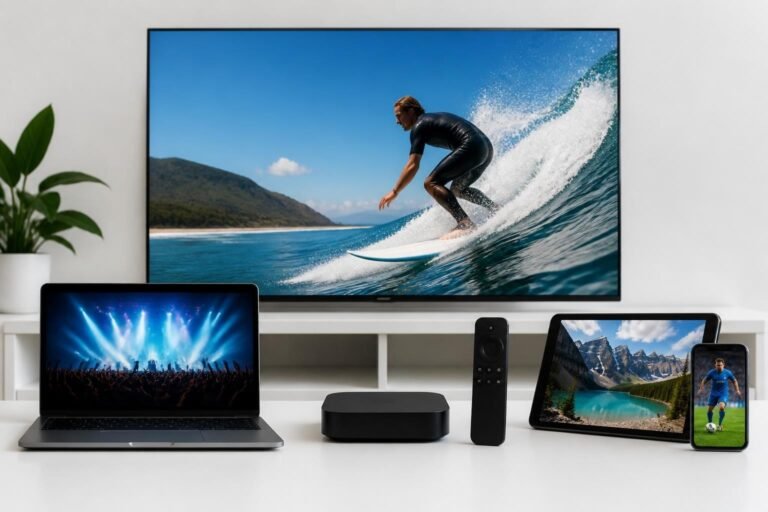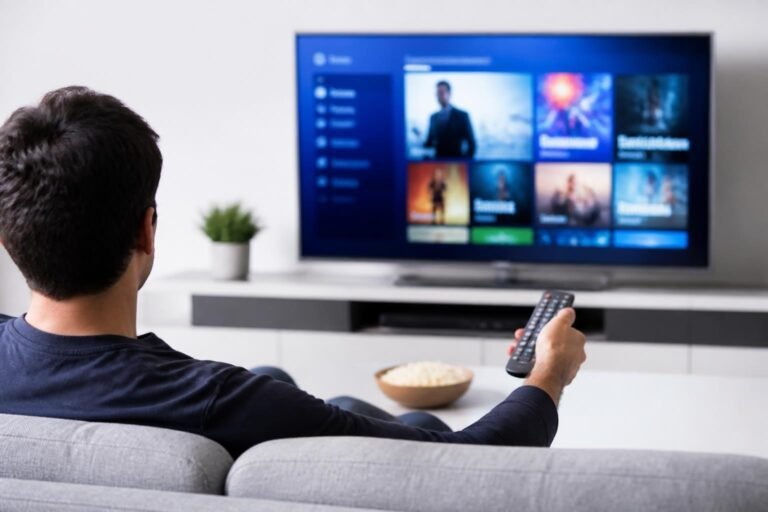
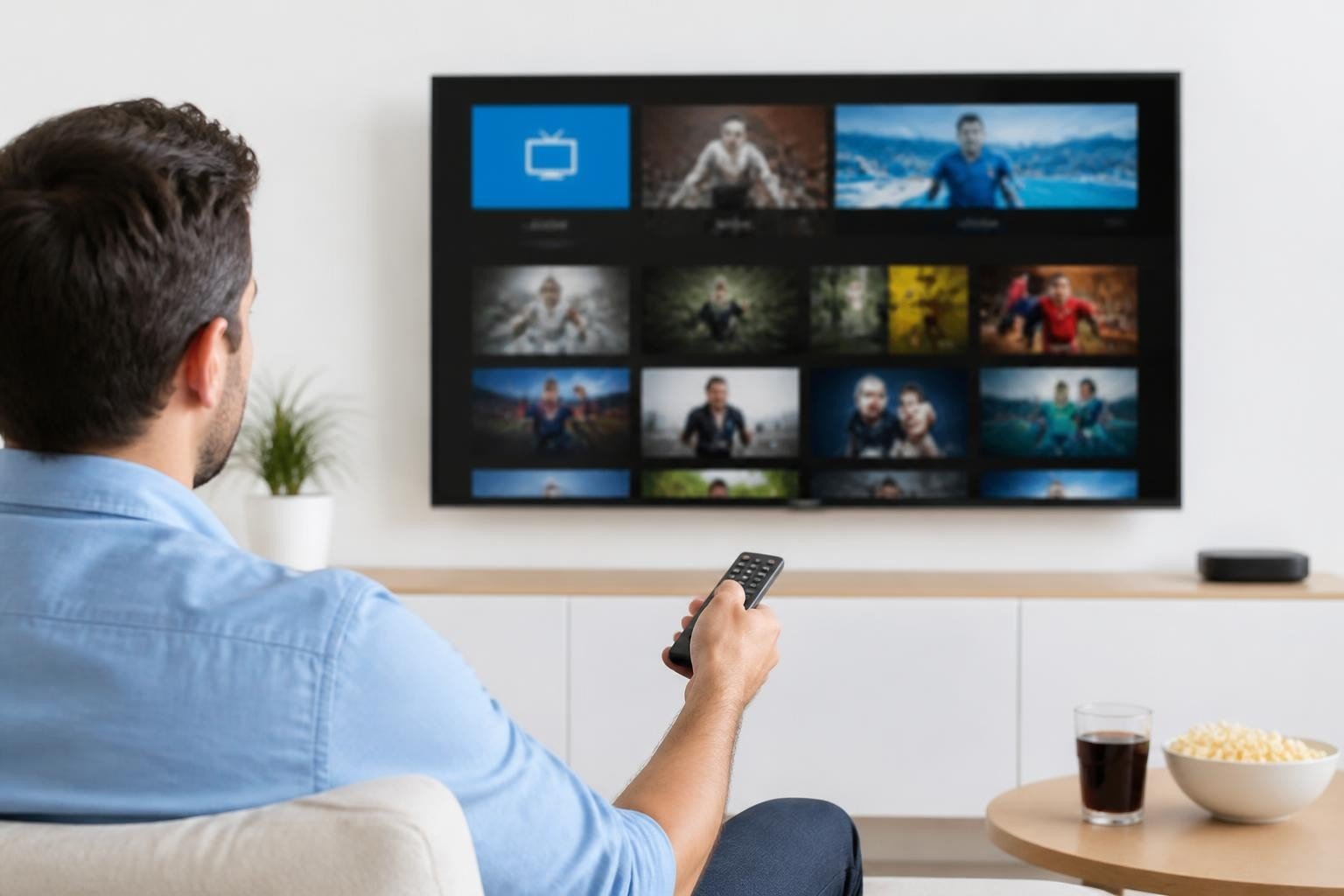
The television landscape has transformed dramatically over the past decade, with traditional cable subscriptions declining as viewers embrace internet-based alternatives. Streaming services with live TV have emerged as a powerful solution, combining the convenience of on-demand content with the immediacy of live broadcasts. These platforms deliver real-time programming across news, sports, entertainment, and local channels without requiring expensive cable packages or hardware installations. As we navigate 2026, understanding the options, features, and benefits of these services becomes essential for anyone looking to optimize their viewing experience while managing entertainment costs effectively.
Streaming Services With Live TV?
Streaming services with live TV are internet-based platforms that deliver live television channels and real-time programming alongside on-demand content. These services transmit broadcast television through internet connections rather than traditional cable or satellite infrastructure, offering viewers flexibility to watch live sports, news, and entertainment across multiple devices without long-term contracts or equipment rentals.
Key Takeaways
- Live TV streaming services eliminate cable contracts while providing access to major networks and channels
- Most platforms support multiple simultaneous streams across various devices
- DVR functionality varies significantly between providers, affecting recording capabilities
- Channel lineups and regional availability determine which service best matches viewer needs
- Pricing structures range from budget-friendly options to premium packages with extensive channel selections
- Internet speed and reliability directly impact streaming quality and user experience
- Integration with on-demand libraries creates comprehensive entertainment solutions
Evolution of Live Television Streaming
The shift from traditional broadcasting to internet-delivered live content represents one of the most significant changes in media consumption. Recent studies show that more viewers now start their TV viewing with streaming services rather than conventional live television, marking a fundamental change in viewing habits.
This transformation accelerated as technology improved and internet infrastructure expanded. Early streaming platforms focused exclusively on on-demand content, but consumer demand for live programming drove innovation. By 2026, streaming services with live tv have matured into sophisticated platforms offering experiences that rival or exceed traditional cable.
Technology Behind Live Streaming
Modern live TV streaming relies on advanced protocols that minimize latency while maintaining quality. Content delivery networks distribute streams efficiently across geographic regions, reducing buffering and ensuring consistent performance. Low-latency streaming technology has evolved significantly, enabling real-time viewing experiences crucial for sports and live events.
Adaptive bitrate streaming adjusts video quality based on available bandwidth, preventing interruptions during network fluctuations. This technology ensures viewers receive the best possible picture quality their connection can support without manual intervention.
Major Streaming Services With Live TV Platforms
Several prominent providers dominate the live TV streaming market, each offering distinct advantages and targeting different audience segments. Understanding these platforms helps consumers make informed decisions based on their specific needs and preferences.
| Service | Starting Price | Channels | Simultaneous Streams | DVR Storage |
|---|---|---|---|---|
| YouTube TV | $72.99/month | 100+ | 3 | Unlimited |
| Hulu + Live TV | $76.99/month | 95+ | 2 | Unlimited |
| DIRECTV Stream | $74.99/month | 75+ | 20 | Unlimited |
| Fubo | $79.99/month | 185+ | 10 | 1000 hours |
| Sling TV | $40/month | 30+ | 1-4 | 50 hours |
YouTube TV
YouTube TV has established itself as a comprehensive option with extensive channel coverage and unlimited cloud DVR storage. The platform integrates seamlessly with Google’s ecosystem and offers an intuitive interface that simplifies navigation. Its channel lineup includes major networks, sports channels, and regional programming.
The service supports up to three simultaneous streams per household, making it suitable for families with diverse viewing preferences. The unlimited DVR feature stores recordings for nine months, providing generous flexibility for managing content libraries.
Hulu With Live TV
Hulu with Live TV combines live channels with its extensive on-demand library, creating a comprehensive entertainment solution. This integration distinguishes it from competitors by offering both current programming and archived content within a single subscription.
The platform excels in providing next-day access to network shows, appealing to viewers who prefer watching on their own schedules. Its interface balances live and on-demand content effectively, though navigation can feel complex for new users.
Regional and Specialized Options
Beyond major platforms, specialized services cater to specific interests. Sports-focused offerings like Fubo emphasize athletic programming with extensive coverage of leagues and events. Budget-conscious viewers can explore free alternatives that offer limited live channels supported by advertising.
Regional sports networks and local channels vary significantly across providers. Some platforms excel at delivering local content, while others focus on national networks. This variation makes geographic location a crucial factor when selecting streaming services with live tv.
Benefits of Streaming Services With Live TV
Transitioning to internet-based live television delivers numerous advantages that extend beyond simple cost savings. These benefits reshape how households consume and interact with television content.
Flexibility and mobility rank among the most significant advantages. Viewers access content across smartphones, tablets, computers, and streaming devices without being tethered to specific locations. This portability transforms television into a truly mobile experience.
Contract-free subscriptions eliminate long-term commitments and early termination fees that plague traditional cable. Most streaming platforms operate on month-to-month billing, allowing subscribers to pause or cancel without penalties. This flexibility empowers consumers to adjust their services based on changing needs or seasonal interests.
Cost Management
Traditional cable bills often include hidden fees, equipment rentals, and mandatory channel bundles. Streaming services with live tv typically offer transparent pricing with channels grouped into logical packages. Subscribers pay only for content they value, avoiding subsidization of unwanted channels.
- No equipment rental fees or installation charges
- Elimination of regional sports fees in many cases
- Ability to stack services during specific seasons
- Shared subscriptions across household members
- Reduced overall monthly entertainment expenses
Enhanced Viewing Experience
Modern streaming platforms incorporate features that traditional cable struggles to match. Cloud DVR functionality eliminates storage limitations and hardware failures. Simultaneous streaming supports multiple household members watching different content concurrently.
Personalization algorithms recommend content based on viewing history, helping viewers discover new shows and channels. Integrated search functions locate content across live and on-demand libraries, streamlining the discovery process.

Why People Choose Streaming Services With Live TV
Consumer motivations for adopting live TV streaming reflect broader trends in media consumption and technological adaptation. Understanding these drivers reveals why millions have transitioned away from traditional cable.
Rising cable costs represent the primary catalyst for cord-cutting. Monthly cable bills frequently exceed $100, with prices increasing annually. Comparing live TV streaming services demonstrates potential savings of 30-50% compared to equivalent cable packages.
Technological convenience appeals to digitally-native consumers accustomed to internet-based services. Younger demographics particularly value the ability to access content across devices without specialized equipment. The seamless integration with existing technology ecosystems eliminates friction points that characterized cable services.
Content Accessibility
Live sports broadcasting drives significant adoption among athletics enthusiasts. Major leagues and events now stream across multiple platforms, reducing dependency on cable subscriptions. Regional sports networks increasingly appear on streaming services, though availability varies by location.
News programming represents another crucial category. Multiple 24-hour news networks across political spectrums ensure viewers maintain access to current events. Local channel streaming options have expanded significantly, addressing early concerns about losing local news and weather coverage.
Features to Look For in Live TV Streaming Services
Selecting the right platform requires evaluating multiple factors beyond channel counts and pricing. Specific features significantly impact long-term satisfaction and viewing experiences.
Channel Lineup Considerations
Channel availability varies dramatically across providers and regions. Major broadcast networks (ABC, CBS, NBC, Fox) appear on most platforms, but secondary channels and niche networks differ substantially.
- Regional sports networks availability affects sports fans significantly
- Premium add-ons like HBO, Showtime, or STARZ expand entertainment options
- International channels serve diverse linguistic and cultural preferences
- News network variety ensures access to preferred sources
- Children’s programming quantity matters for family households
DVR and Recording Capabilities
Cloud DVR functionality transforms how viewers manage content consumption. Storage limits, retention periods, and simultaneous recording capabilities vary substantially across platforms.
| Feature | What to Consider | Impact on Experience |
|---|---|---|
| Storage Capacity | Hours available (50-unlimited) | Limits content library size |
| Retention Period | Days recordings remain (30-365) | Affects viewing flexibility |
| Simultaneous Recordings | Number of concurrent programs | Prevents scheduling conflicts |
| Fast-Forward Capability | Skip restrictions on recordings | Controls viewing experience |
Some services impose restrictions on recorded content, particularly around advertising. Understanding these limitations prevents frustration when attempting to skip commercials or save specific programming.
Device Compatibility
Platform availability across devices ensures consistent access to content. Most services support common streaming devices, but specific compatibility varies.
Smart TV applications provide direct access without additional hardware. Major manufacturers like Samsung, LG, and Sony typically receive native apps from popular streaming services. Android TV and Roku platforms offer broad compatibility across multiple services.
Mobile device support enables viewing on smartphones and tablets. Both iOS and Android applications should offer full functionality including live viewing, DVR management, and on-demand access. For viewers interested in IPTV for Firestick, compatibility with Amazon’s ecosystem becomes particularly important for seamless integration.
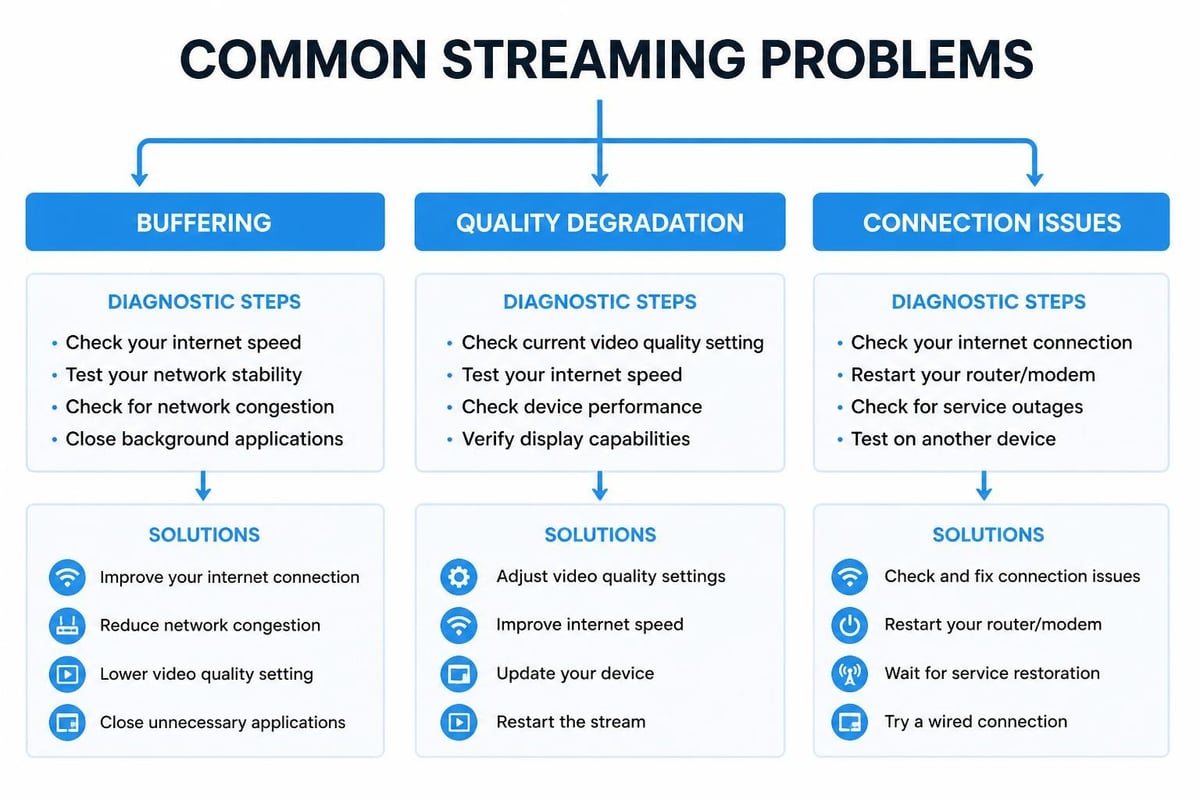
Common Problems and Solutions With Live TV Streaming
Despite technological advances, streaming services with live tv occasionally present challenges that impact user experiences. Recognizing common issues and their solutions helps viewers optimize their setup and troubleshoot effectively.
Buffering and Quality Issues
Internet connectivity directly affects streaming quality. Buffering interruptions typically indicate insufficient bandwidth or network congestion.
Minimum speed requirements vary by resolution:
- Standard definition: 3-4 Mbps
- High definition: 5-8 Mbps
- 4K ultra HD: 25+ Mbps
- Multiple simultaneous streams: Add requirements together
Solutions include upgrading internet plans, positioning routers closer to streaming devices, or using wired Ethernet connections instead of WiFi. Peak usage times may require scheduling recordings rather than live viewing to avoid congestion.
Regional Restrictions and Blackouts
Geographic limitations affect content availability, particularly for sports programming. Local blackout rules prevent streaming certain events in specific markets, frustrating viewers expecting comprehensive access.
VPN services theoretically circumvent restrictions, but most platforms actively block VPN traffic. Understanding a service’s regional limitations before subscribing prevents disappointment. Reviewing channel lineups for your specific ZIP code reveals precisely which channels will appear.
Interface and Navigation Challenges
User experience varies significantly across platforms. Some interfaces prioritize simplicity while others offer extensive customization. Learning curves differ based on previous experience and technical comfort levels.
Comprehensive guides comparing live TV streaming services help identify platforms matching individual preferences. Trial periods offered by most services allow hands-on evaluation before committing to subscriptions.
Comparing Live TV Streaming to Traditional Cable
Direct comparison between cable and streaming reveals distinct advantages and trade-offs influencing consumer decisions. Both delivery methods serve similar purposes but differ fundamentally in implementation and user experience.
| Aspect | Traditional Cable | Live TV Streaming |
|---|---|---|
| Installation | Professional required | Self-service setup |
| Equipment | Cable box rental | Use existing devices |
| Contract | 12-24 months typical | Month-to-month |
| Portability | Limited to home | Access anywhere |
| Channel Selection | Fixed packages | Customizable tiers |
| Price Transparency | Hidden fees common | Clear pricing |
Cable television offers reliability independent of internet connectivity. Signal quality remains consistent regardless of network congestion. This advantage diminishes as internet infrastructure improves and becomes more reliable.
Traditional providers bundle services, potentially offering savings when combining television, internet, and phone services. However, unbundling these services increasingly reveals streaming as the more economical option for television specifically.
Optimizing Your Live TV Streaming Setup
Maximizing performance and enjoyment from streaming services with live tv requires attention to hardware, network configuration, and account settings. Strategic optimization ensures consistent quality and seamless experiences.
Network Infrastructure
Router quality and positioning significantly impact wireless streaming performance. Modern routers supporting WiFi 6 or WiFi 6E standards deliver superior performance compared to older models. Positioning routers centrally within homes and away from interference sources optimizes signal strength.
Mesh network systems eliminate dead zones in larger homes, ensuring consistent coverage throughout all rooms. These systems automatically route traffic through the strongest signal paths, maintaining quality as viewers move between locations.
Hardware Selection
Streaming device capabilities vary substantially. Budget options provide basic functionality while premium devices offer enhanced features and performance.
- Processing power affects interface responsiveness and app loading times
- 4K support enables ultra-high-definition viewing on compatible televisions
- HDR compatibility enhances picture quality with expanded color ranges
- Audio output options support surround sound systems
- Remote control functionality simplifies navigation and voice commands
Account Management
Strategic subscription management reduces costs while maintaining access to desired content. Rotating services seasonally captures specific sports seasons or show releases without year-round commitments.
Family sharing features maximize value by distributing costs across multiple users. Profile creation separates viewing preferences and recommendations, personalizing experiences for each household member. Parental controls restrict content access for children, ensuring age-appropriate programming.
Future Trends in Live TV Streaming
The live television streaming industry continues evolving rapidly, with emerging trends reshaping service offerings and viewer experiences. Understanding these developments helps consumers anticipate changes and make forward-looking decisions.
Bundling strategies increasingly combine multiple services into unified packages. Telecommunications companies offer streaming services alongside internet plans, while media conglomerates bundle their various platforms. New comprehensive services like Fox One demonstrate this consolidation trend.
Advertising-supported tiers expand access to budget-conscious consumers. Lower-priced plans incorporating commercials provide alternatives to premium ad-free experiences. This tiered approach mirrors traditional cable’s evolution and broadens market reach.
Technology Advancements
Artificial intelligence and machine learning enhance content discovery and personalization. Recommendation engines analyze viewing patterns across millions of users, surfacing relevant content with increasing accuracy. Voice control integration simplifies navigation, particularly benefiting users with accessibility needs.
Interactive features transform passive viewing into participatory experiences. Live polling during broadcasts, synchronized social media integration, and alternative viewing angles for sports programming demonstrate how streaming enables innovations impossible with traditional cable.
Market Consolidation
Media industry mergers affect service availability and content libraries. Companies acquiring streaming platforms and content producers vertically integrate to control distribution and creation. This consolidation may eventually reduce service variety while potentially expanding individual platform offerings.
Pricing pressures continue as platforms balance subscriber growth against profitability. Early market entrants attracted users with unsustainable pricing that required eventual increases. The industry now stabilizes around economically viable pricing reflecting actual content costs and operational expenses.
Frequently Asked Questions
What internet speed do I need for streaming live TV?
Most streaming services with live tv require minimum speeds of 5-8 Mbps for HD quality single streams. For households with multiple simultaneous streams, multiply this requirement by the number of concurrent viewers. 4K streaming demands 25+ Mbps per stream. Consider your typical usage patterns and add 20-30% buffer capacity for optimal performance without interruptions.
Can I watch local channels on streaming services with live TV?
Yes, most major platforms include local ABC, CBS, NBC, and FOX affiliates in many markets. Availability depends on your specific location and the service provider’s agreements with local stations. Some services offer more comprehensive local coverage than others. Check channel lineups for your ZIP code before subscribing to ensure you’ll receive desired local programming.
How many devices can stream simultaneously?
Simultaneous stream limits vary by service, ranging from 1-2 streams for budget options to 10-20+ for premium platforms. YouTube TV allows three concurrent streams, while DIRECTV Stream supports up to 20. Consider your household size and viewing habits when evaluating these limits. Some services offer upgrade options for additional simultaneous streams.
Do streaming services offer DVR functionality?
Most streaming services with live tv include cloud DVR features, though capabilities differ significantly. Storage ranges from 50 hours to unlimited, with retention periods between 30 days and nine months. Some platforms restrict fast-forwarding through commercials on recorded content. Unlimited DVR typically provides the most flexibility for managing viewing schedules.
Can I cancel streaming services anytime?
Yes, nearly all live TV streaming platforms operate on month-to-month subscriptions without long-term contracts or cancellation penalties. You can pause or cancel services at any time, typically effective at the end of your current billing cycle. This flexibility allows seasonal subscriptions for sports or specific programming without ongoing commitments.
Are streaming services cheaper than cable?
Most streaming platforms cost less than equivalent cable packages, typically saving 30-50% monthly. However, total costs depend on specific channel requirements and whether you subscribe to multiple services. Factor in internet service costs when comparing, as streaming requires reliable high-speed connectivity that cable customers may already have bundled differently.
What happens if my internet goes out?
Unlike cable television, streaming services with live tv require internet connectivity to function. Internet outages completely prevent access to content, including previously recorded DVR material stored in the cloud. This dependency represents the primary disadvantage compared to traditional cable. Mobile hotspot capabilities can provide temporary backup access during home internet disruptions.
Can I watch sports on streaming services?
Yes, most platforms offer extensive sports coverage including major networks like ESPN, Fox Sports, and NBC Sports. Availability of regional sports networks varies by service and location. Some sports-focused platforms like Fubo prioritize athletic programming with comprehensive league coverage. Verify specific team and league availability before subscribing if sports viewing is your primary motivation.
Do streaming services work outside the United States?
Most US-based live TV streaming services employ geographic restrictions limiting access to the United States. Travel abroad typically prevents viewing unless using certain workarounds that violate service terms. Some platforms offer limited access from US territories. International content availability varies, with some services providing specialized international channel packages.
How do I choose between different streaming services?
Selection depends on channel preferences, budget, household size, and device compatibility. Start by listing must-have channels and comparing which services include them. Evaluate simultaneous stream limits against your household needs. Consider DVR requirements and test interfaces during free trial periods. Comparing services based on your specific entertainment priorities helps identify the best fit.
What devices support live TV streaming apps?
Major streaming services support Roku, Amazon Fire TV, Apple TV, Android TV, and Chromecast devices. Smart TVs from Samsung, LG, Sony, and Vizio typically include native apps. Mobile devices running iOS and Android receive full-featured applications. Gaming consoles like PlayStation and Xbox also support popular streaming platforms. Web browsers provide additional access options from computers.
Can I share my streaming account with family or friends?
Sharing policies vary by service. Most platforms allow household sharing across devices in the same location. Simultaneous stream limits and geographic restrictions prevent widespread account sharing outside your residence. Some services detect multiple locations accessing the same account and may restrict usage. Family plans with separate profiles provide legitimate multi-user access while respecting service terms.
The streaming landscape offers unprecedented flexibility and value for viewers seeking alternatives to traditional cable television. By understanding channel offerings, evaluating features against personal needs, and optimizing network infrastructure, households can create entertainment solutions perfectly tailored to their preferences. Apollo Group TV delivers comprehensive access to over 100,000 live channels and 250,000 on-demand titles through a single subscription, eliminating the complexity of managing multiple services while providing the variety modern viewers demand.