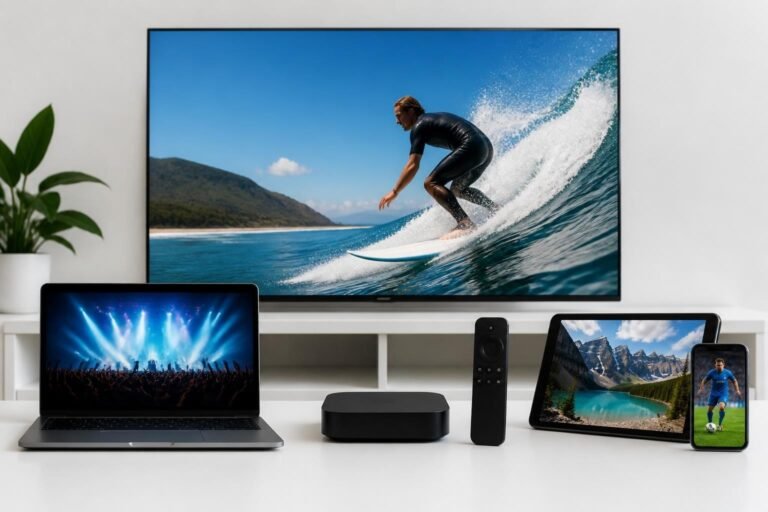

The landscape of streaming services in UK has transformed dramatically, with over 69.7% of households now maintaining at least one subscription. This shift from traditional broadcasting represents more than just technological advancement-it marks a fundamental change in how British viewers consume entertainment. From global giants like Netflix and Disney+ to niche platforms catering to specific interests, the options available to UK consumers have never been more diverse or complex. Understanding this ecosystem helps viewers make informed decisions about which services deliver the best value for their viewing habits and budget constraints.
Streaming Services in UK?
Streaming services in UK are digital platforms that deliver on-demand movies, TV shows, live channels, and sports content directly to viewers via internet connection. These services operate through subscription models or one-time payments, eliminating traditional broadcast schedules and allowing viewers to watch content across multiple devices including smartphones, tablets, smart TVs, and streaming sticks whenever convenient.
Key Takeaways
- Market saturation: The UK streaming market features over a dozen major platforms, with households averaging 2-3 subscriptions simultaneously
- Regulatory changes: New Ofcom oversight brings streaming services under similar standards as traditional broadcasters, ensuring content compliance and accessibility
- Cost considerations: Monthly subscription costs range from £4.99 to £15.99, with annual spending reaching £200-600 for multiple services
- Content fragmentation: Exclusive licensing deals mean no single platform offers comprehensive coverage, requiring multiple subscriptions for complete access
- Alternative solutions: IPTV services provide consolidated access to diverse content libraries through unified platforms
The Current Landscape of Streaming Services in UK
British viewers face an unprecedented array of choices when selecting streaming platforms. The market has evolved from Netflix’s early dominance to a highly competitive environment where established players and newcomers vie for subscriber attention.
Major Players and Market Share
Statistics show that Netflix remains the most popular streaming service in UK, with Disney+, Amazon Prime Video, and NOW competing closely for market position. Each platform brings unique strengths:
- Netflix: Extensive original programming and international content
- Disney+: Family-friendly entertainment and Marvel/Star Wars franchises
- Amazon Prime Video: Bundled benefits with Prime membership
- NOW: Flexible access to Sky content without long-term contracts
- Apple TV+: Premium original series with limited but high-quality catalog
The fragmentation creates challenges for cost-conscious consumers. Accessing desired content often requires maintaining multiple simultaneous subscriptions, with monthly costs quickly accumulating.

Regulatory Framework Changes
The UK government has implemented significant regulatory changes affecting streaming services in UK. The Media Act brings major platforms under Ofcom oversight, establishing standards for content accuracy, harm protection, and accessibility requirements.
These regulations apply to Tier 1 video-on-demand services meeting specific criteria for UK audience reach and revenue. The oversight ensures streaming platforms maintain similar standards to traditional broadcasters, protecting viewers from harmful content while improving services for disabled users.
Benefits of Streaming Services in UK
Switching from traditional cable or satellite broadcasting to streaming platforms offers numerous advantages that explain the rapid adoption rates across British households.
Flexibility and Convenience
Modern streaming delivers entertainment on viewer terms rather than broadcaster schedules. Content remains available 24/7, allowing consumption during commutes, lunch breaks, or late-night viewing sessions without recording requirements.
Device compatibility extends viewing options beyond the living room television:
- Smart TVs with built-in applications
- Streaming sticks and set-top boxes
- Gaming consoles with media capabilities
- Mobile devices for portable entertainment
- Tablets for personal viewing experiences
Cost Comparison Analysis
| Service Type | Monthly Cost | Annual Cost | Device Limit | Content Volume |
|---|---|---|---|---|
| Traditional Cable | £40-80 | £480-960 | Unlimited | 100-300 channels |
| Netflix Premium | £17.99 | £215.88 | 4 screens | Limited to catalog |
| Disney+ | £7.99 | £95.88 | 4 screens | Disney/Marvel/Star Wars |
| Multiple Streaming | £30-50 | £360-600 | Varies | Fragmented access |
| Comprehensive IPTV | Variable | Lower annual | Multiple | 100,000+ channels |
The analysis reveals significant potential savings, particularly for households willing to rotate subscriptions based on desired content availability.
Why People Choose Streaming Services in UK
Consumer motivation extends beyond simple cost considerations. Several factors drive the continued migration from traditional broadcasting to streaming platforms.
Content Variety and Exclusivity
Platform competition has sparked unprecedented investment in original programming. Netflix, Disney+, and Amazon Prime Video collectively spend billions annually creating exclusive series and films unavailable through traditional channels.
This exclusivity creates both opportunity and challenge. Viewers gain access to innovative storytelling and high-budget productions, but must maintain multiple subscriptions to access all desired content. The phenomenon known as “subscription fatigue” emerges when monthly costs rival or exceed previous cable bills.
User Experience Enhancements
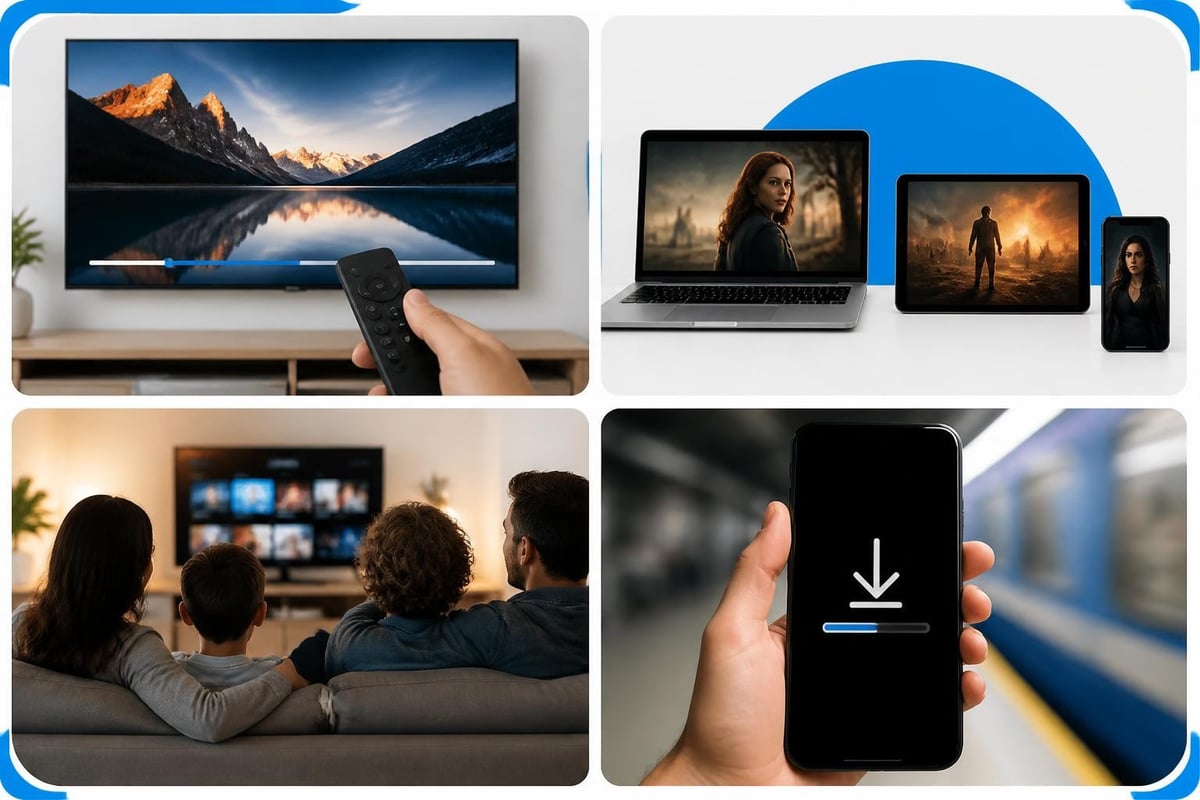
Modern streaming platforms incorporate features that traditional broadcasting cannot match:
- Personalized recommendations based on viewing history and preferences
- Multiple user profiles maintaining separate watch lists and progress tracking
- Download capabilities for offline viewing during travel or commutes
- No advertisements on premium tiers, ensuring uninterrupted entertainment
- Simultaneous streaming across multiple devices for household sharing
These enhancements justify subscription costs for many consumers, even when facing higher aggregate expenses than traditional services.
Features to Look For in Streaming Services in UK
Selecting appropriate platforms requires evaluating specific characteristics that impact daily viewing experiences and long-term satisfaction.
Content Library Depth
Beyond headline shows and movies, examine catalog breadth across genres, international programming, documentaries, and classic content. Some platforms excel in specific areas:
Netflix maintains the largest overall library with strong international content. Disney+ dominates family entertainment and franchises. Apple TV+ offers limited but premium original series. Amazon Prime Video provides access to additional streaming services like Paramount+ and Discovery+ through channel subscriptions.
Technical Performance Standards
| Feature | Importance | What to Check |
|---|---|---|
| Video Quality | Critical | 4K/HDR availability and bandwidth requirements |
| Streaming Stability | Essential | Anti-buffering technology and server reliability |
| Audio Options | High | Surround sound support and multiple language tracks |
| Subtitle Availability | Medium | Accuracy and language variety for accessibility |
| App Functionality | Medium | Interface intuitiveness and search capabilities |
Performance consistency matters significantly. Platforms experiencing frequent buffering, quality degradation, or app crashes diminish viewing enjoyment regardless of content quality.
Common Problems and Solutions with Streaming Services in UK
Despite advantages, streaming services in UK present challenges that affect user satisfaction and value perception.
Subscription Management Complexity
Managing multiple streaming accounts creates administrative burden. Users must track:
- Separate billing dates and payment methods
- Individual login credentials across platforms
- Content availability across different services
- Price changes and tier modifications
- Family sharing settings and parental controls
Solution approach: Consider consolidating entertainment needs through platforms offering bundled access or comprehensive content libraries. Some viewers alternate subscriptions monthly, maintaining only services with currently desired content.
Content Discovery Difficulties
With thousands of titles spread across multiple platforms, finding specific shows or discovering new content becomes challenging. No universal search exists across all streaming services in UK, requiring manual checking of individual platforms.
Solution approach: Third-party aggregator websites help identify which platform hosts specific content. Some smart TV interfaces incorporate cross-platform search, though functionality varies by manufacturer and region.
Geographic Restrictions
Licensing agreements create content availability differences between regions. Shows accessible in the US may remain unavailable on UK versions of the same platform, frustrating viewers aware of catalog disparities.
Solution approach: Understanding regional licensing limitations helps set realistic expectations. Some comprehensive IPTV services provide broader international content access without geographic restrictions affecting major streaming platforms.
Cost Analysis: What UK Viewers Actually Pay
The true cost of streaming services in UK extends beyond advertised monthly fees. Understanding total expenses helps consumers budget effectively and identify potential savings.
Hidden Costs and Considerations
Internet bandwidth requirements increase with streaming quality. 4K content consumption demands robust connections, potentially requiring broadband package upgrades. Multiple simultaneous streams compound bandwidth needs.
Device investments add to overall costs. While smart TVs include built-in apps, older televisions require streaming sticks or set-top boxes. Quality devices range from £30-100, with premium options exceeding £150.
Subscription tier complexity creates confusion. Most platforms offer multiple pricing levels differentiated by video quality, simultaneous streams, and advertisement inclusion:
- Basic tiers: £5-7 monthly, standard definition, single screen
- Standard tiers: £10-12 monthly, HD quality, 2-3 screens
- Premium tiers: £15-18 monthly, 4K quality, 4+ screens
Annual Spending Comparison
| Household Type | Typical Services | Monthly Cost | Annual Cost |
|---|---|---|---|
| Single Viewer | 1-2 services | £15-25 | £180-300 |
| Couple | 2-3 services | £25-40 | £300-480 |
| Family | 3-4 services | £35-55 | £420-660 |
| Entertainment Enthusiast | 5+ services | £50-75 | £600-900 |
These figures exclude occasional add-ons like sports packages, premium channels, or pay-per-view events that substantially increase annual spending.
The Rise of IPTV as an Alternative Solution
Growing subscription costs and content fragmentation drive interest in alternative delivery methods. IPTV technology offers different approaches to accessing streaming content in UK markets.
How IPTV Differs from Traditional Streaming
Internet Protocol Television delivers content through internet connections like standard streaming services, but operates through different technical frameworks and business models. Rather than maintaining separate subscriptions across multiple platforms, IPTV consolidates access through unified interfaces.
Technical advantages include:
- Broader channel access spanning international content
- Unified electronic program guides for easier navigation
- Multi-device compatibility across smart TVs, tablets, and smartphones
- Advanced features like anti-freeze technology for stable streaming
- Flexible payment structures including one-time options
Services like Apollo Group TV exemplify this approach, providing access to extensive channel lineups and on-demand libraries through single subscriptions, addressing the fragmentation challenge affecting traditional streaming services in UK.
Evaluating IPTV Quality and Reliability
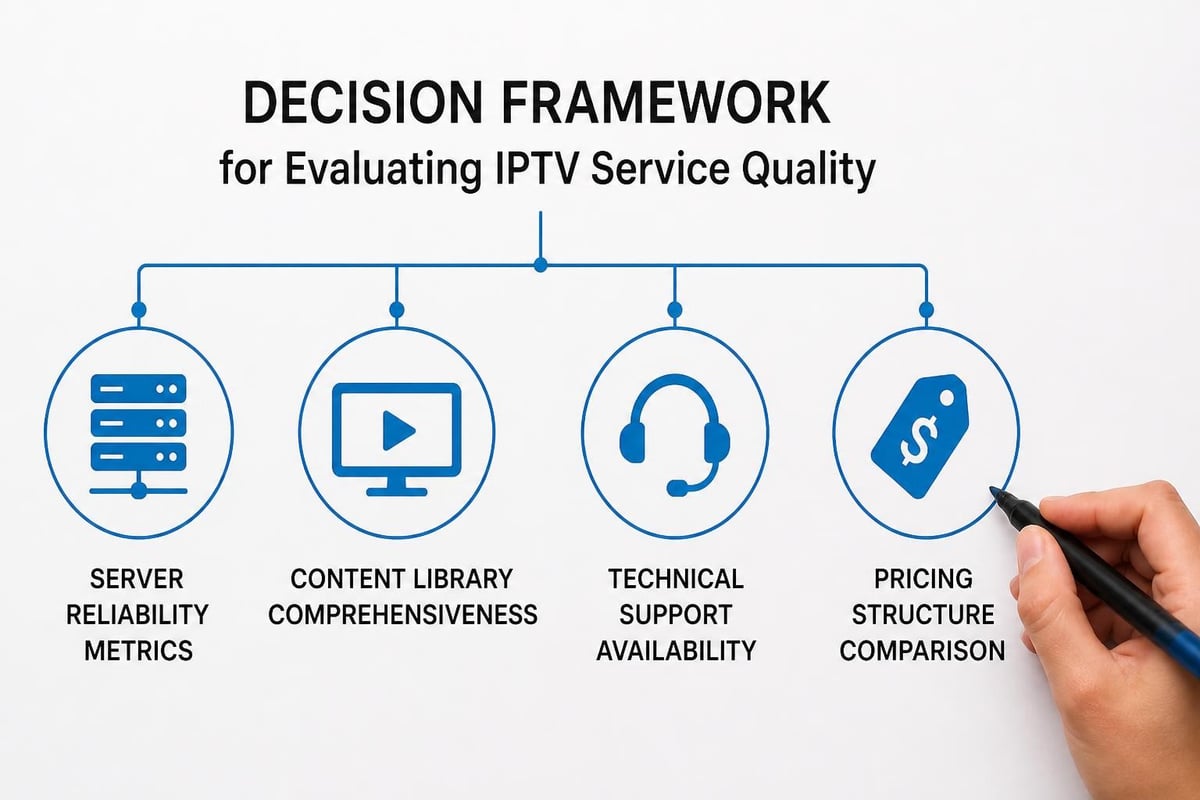
Not all IPTV providers deliver equivalent experiences. Key evaluation criteria include:
- Server infrastructure reliability ensuring consistent uptime
- Content legality verification confirming proper licensing
- Customer support responsiveness for technical assistance
- Update frequency maintaining current channel lineups
- Stream quality consistency across different content types
Research and trial periods help identify services meeting personal requirements before committing to long-term subscriptions.
Future Trends Shaping Streaming Services in UK
The streaming landscape continues evolving rapidly, with emerging trends indicating significant changes ahead for British viewers.
Consolidation and Bundling
Market saturation pushes platforms toward consolidation strategies. Disney’s acquisition of Star content, Amazon’s integration of additional services through Prime Video channels, and potential future mergers suggest movement toward larger entertainment ecosystems.
Bundling initiatives already appear in UK markets:
- Mobile carriers offering streaming subscriptions with phone contracts
- Broadband providers including entertainment packages
- Credit card companies providing membership benefits
- Retail loyalty programs incorporating streaming access
These developments may reduce individual subscription management complexity while maintaining or increasing overall costs.
Technology Integration Advances
Artificial intelligence enhancements improve content discovery through sophisticated recommendation algorithms, voice search capabilities, and automated subtitle generation across languages.
Interactive content experiments like Netflix’s choose-your-own-adventure programming test new engagement formats beyond passive viewing.
Virtual reality integration remains experimental but suggests potential future viewing experiences transcending traditional screen-based consumption.
Maximizing Value from Streaming Services in UK
Strategic approach to platform selection and usage optimization helps viewers extract maximum value while controlling costs.
Subscription Rotation Strategy
Rather than maintaining year-round subscriptions to all platforms, many cost-conscious viewers rotate services quarterly:
January-March: Subscribe to Platform A for exclusive winter releases
April-June: Switch to Platform B for spring content and outdoor viewing
July-September: Activate Platform C for summer programming
October-December: Return to Platform A for holiday content
This approach requires patience waiting for specific content but substantially reduces annual spending while maintaining access to desired programming over time.
Family Sharing Optimization
Most streaming services in UK permit multiple simultaneous streams, supporting household sharing. Coordinating viewing schedules and creating individual profiles maximizes subscription value:
- Establish separate user profiles for personalized recommendations
- Schedule simultaneous viewing during peak times to utilize all available streams
- Share accounts with extended family members within terms of service
- Configure parental controls appropriately for younger viewers
Free Trial Exploitation
New platforms and existing services regularly offer trial periods. Systematic trial usage provides temporary access to specific content without ongoing costs:
- Create calendar reminders before trial expiration
- Cancel subscriptions before billing begins
- Wait required period before potentially re-trialing
- Focus trials around specific content releases
- Use different household members’ information when permitted
This approach works best for accessing particular shows or movies rather than ongoing viewing needs.
Comparing Streaming Services in UK: Detailed Analysis
Understanding platform-specific strengths helps match services to personal viewing preferences and household requirements.
Content Category Breakdown
| Platform | Original Series | Movies | Sports | Kids Content | International |
|---|---|---|---|---|---|
| Netflix | Excellent | Good | Poor | Good | Excellent |
| Disney+ | Good | Excellent | Poor | Excellent | Good |
| Prime Video | Good | Good | Limited | Fair | Good |
| NOW | Fair | Good | Excellent | Fair | Fair |
| Apple TV+ | Excellent | Limited | Poor | Fair | Fair |
This simplified comparison highlights that no single platform excels across all categories, explaining why many households maintain multiple subscriptions.
Device Compatibility Assessment
Modern streaming services in UK support extensive device ranges, but implementation quality varies. Some platforms deliver superior experiences on specific hardware:
Smart TV integration works best with native applications rather than casting or mirroring. Samsung, LG, and Android TV platforms receive priority updates and feature implementations.
Mobile performance differs substantially. Battery consumption, download functionality, and interface optimization vary between iOS and Android versions of the same streaming application.
Streaming stick compatibility extends older television functionality. Amazon Fire TV Stick, Roku devices, and Apple TV boxes provide access to streaming services, though performance capabilities depend on device generation and processing power.
Frequently Asked Questions
What are the most popular streaming services in UK currently?
Netflix leads UK streaming services with the highest subscription rates, followed closely by Amazon Prime Video and Disney+. NOW, Apple TV+, and Paramount+ represent the next tier of popular platforms. Current statistics indicate 69.7% of UK households maintain at least one streaming subscription, with many households using multiple services simultaneously to access desired content across different platforms.
How much do streaming services cost in UK per month?
Monthly costs for streaming services in UK range from £4.99 for basic tiers to £17.99 for premium subscriptions. Netflix charges £6.99-£17.99 depending on quality and screen count. Disney+ costs £7.99 monthly. Amazon Prime Video runs £8.99 standalone or included with Prime membership at £8.99 monthly. Apple TV+ charges £8.99. NOW offers flexible passes from £9.99. Most households spending £30-50 monthly across multiple platforms.
Do I need special equipment for streaming services in UK?
Streaming services in UK require internet-connected devices but not specialized equipment beyond what most households already possess. Smart TVs include built-in applications. Older televisions need streaming sticks like Amazon Fire TV Stick (£30-50) or Roku devices. Smartphones, tablets, laptops, and gaming consoles also support streaming applications. Reliable broadband connection (minimum 5Mbps for HD, 25Mbps for 4K) represents the primary technical requirement.
Can I watch streaming services in UK without internet?
Most streaming services in UK require active internet connections for content access, but major platforms offer download functionality for offline viewing. Netflix, Disney+, Amazon Prime Video, and Apple TV+ permit downloading selected content to mobile devices and tablets for viewing without internet connectivity during travel or in areas with poor connection. Downloaded content expires after specific periods and requires periodic re-authentication through internet connection.
Are streaming services in UK subject to regulation?
Yes, major streaming services now fall under Ofcom regulation following implementation of the Media Act. Platforms meeting Tier 1 criteria face requirements similar to traditional broadcasters regarding content standards, harm protection, accuracy, and accessibility. These regulations ensure streaming services maintain appropriate safeguards while providing improved services for disabled viewers through enhanced subtitle and audio description requirements.
How many streaming services does the average UK household have?
Average UK households maintain 2-3 streaming service subscriptions simultaneously. While 69.7% of households have at least one streaming subscription, many viewers juggle multiple platforms to access desired content spread across competing services. Subscription fatigue increasingly affects consumers as exclusive licensing deals force maintenance of several services to watch different shows, driving interest in consolidated alternatives offering broader content access through single subscriptions.
What is the difference between streaming services and IPTV in UK?
Traditional streaming services like Netflix and Disney+ offer curated content libraries through individual subscriptions and proprietary applications. IPTV delivers live television channels and on-demand content through internet protocol technology, often providing broader channel access including international programming through unified interfaces. IPTV services frequently offer more extensive channel lineups and flexible payment structures, while mainstream streaming services focus on original programming and established catalog content.
Can I share streaming service accounts in UK legally?
Account sharing policies vary between streaming services in UK. Most platforms permit sharing within single households across multiple devices and user profiles. Sharing login credentials with individuals outside your household technically violates most terms of service, though enforcement varies. Netflix has begun implementing additional charges for account sharing beyond primary households. Always review specific platform terms of service and respect licensing agreements supporting content creators.
Which streaming service has the best content library in UK?
“Best” content library depends on personal viewing preferences. Comparative analysis shows Netflix offers the largest overall catalog with extensive international programming and original series. Disney+ dominates family content and major franchises (Marvel, Star Wars). Amazon Prime Video provides diverse content including additional channel subscriptions. NOW offers premium Sky content including sports and HBO programming. Evaluate based on your specific genre preferences and household viewing habits.
How do I choose the right streaming service in UK?
Choosing appropriate streaming services in UK requires evaluating several factors: preferred content genres, household size and viewing habits, budget constraints, device compatibility, and technical requirements. Create a list of must-watch shows and identify which platforms host them. Consider whether simultaneous streaming across multiple devices matters for your household. Compare costs against previous entertainment spending. Trial periods allow testing platforms before committing to subscriptions.
Will streaming services in UK get more expensive?
Streaming services in UK have consistently increased prices over recent years, and this trend likely continues. Platform investment in original programming, sports rights acquisition, and technology infrastructure requires growing revenue. Market competition initially kept prices low to attract subscribers, but as platforms establish market positions, price increases become more frequent. Bundling strategies and tiered pricing structures may emerge as services balance subscriber growth against revenue requirements.
What internet speed do I need for streaming services in UK?
Required internet speeds for streaming services in UK depend on desired video quality and simultaneous stream count. Standard definition requires minimum 3Mbps. HD streaming needs 5-8Mbps per stream. 4K/Ultra HD demands 25Mbps or higher per stream. Households with multiple simultaneous viewers should multiply these requirements accordingly. A family streaming three HD programs simultaneously needs approximately 15-25Mbps minimum. Consider broadband upgrade if current speeds cause buffering or quality degradation during peak usage.
The streaming services in UK landscape offers unprecedented choice but creates complexity through fragmented content and escalating costs across multiple platforms. Understanding platform strengths, regulatory frameworks, and cost implications helps viewers make informed decisions aligned with their entertainment priorities and budget constraints. For those seeking comprehensive access without juggling multiple subscriptions, Apollo Group TV provides an alternative approach with extensive channel lineups and on-demand content through unified access, addressing the subscription fatigue affecting many UK households while delivering stable, multi-device streaming experiences.