
The landscape of television consumption has undergone a dramatic transformation over the past decade, with live TV streaming services emerging as the dominant alternative to traditional cable and satellite packages. As we move through 2026, consumers face an increasingly complex decision when selecting the best streaming for live TV that fits their viewing habits, budget, and device ecosystem. This comprehensive guide examines the critical factors that define quality live streaming services, explores the most compelling options available today, and provides actionable insights to help you make an informed decision about your entertainment future.
Best Streaming for Live TV?
Best streaming for live TV refers to internet-based television services that deliver live broadcast channels, sports networks, news programming, and on-demand content through streaming platforms rather than traditional cable or satellite infrastructure. These services typically offer flexible subscription models, multi-device compatibility, cloud DVR capabilities, and customizable channel packages that provide cost-effective alternatives to conventional television delivery methods.
Key Takeaways
- Cost Efficiency: Live TV streaming services typically cost 40-60% less than traditional cable packages while offering comparable or superior channel selections.
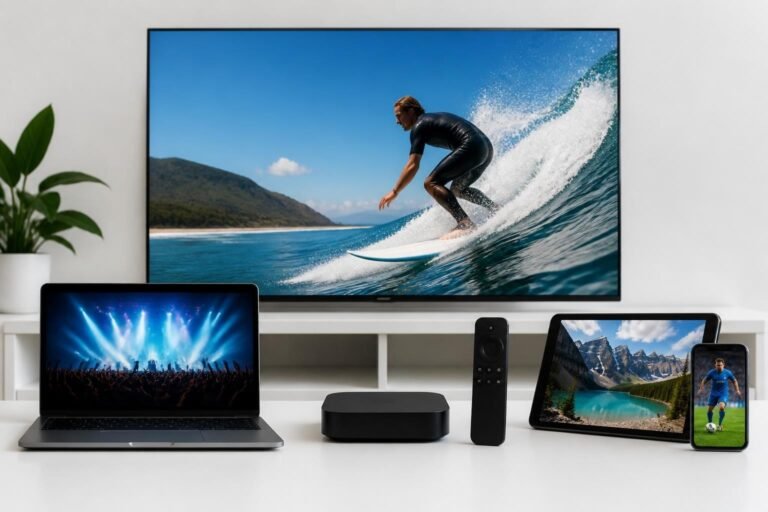
- Device Flexibility: Modern streaming platforms support simultaneous viewing across smartphones, tablets, smart TVs, streaming sticks, and computers.
- No Long-Term Contracts: Most services operate on month-to-month subscriptions, eliminating early termination fees and providing complete viewing freedom.
- Cloud DVR Technology: Advanced recording capabilities allow users to store hundreds of hours of content without physical equipment.
- Channel Customization: Tiered packages and add-ons enable viewers to pay only for channels they actually watch.
Why People Choose Live TV Streaming Services
The shift from cable to streaming represents more than just a technological upgrade. It reflects fundamental changes in how people consume television content and manage their entertainment budgets.
Financial Freedom from Cable Bills
Traditional cable packages frequently exceed $150 monthly, often bundling channels viewers never watch. In contrast, the best streaming for live tv options start around $25-$40 per month for basic packages, with premium tiers rarely exceeding $80. This pricing structure allows households to save $840-$1,200 annually while maintaining access to essential channels.
The elimination of hidden fees represents another significant advantage. Cable providers routinely add broadcast fees, regional sports surcharges, equipment rental costs, and administrative charges that inflate monthly bills by $20-$40. Streaming services incorporate these costs into transparent, all-inclusive pricing.
Enhanced Viewing Flexibility
Modern viewing habits demand flexibility that traditional cable cannot provide. Streaming services deliver content across unlimited devices, enabling family members to watch different programs simultaneously on their preferred screens. Whether you’re watching the morning news on your smartphone during your commute or streaming a sporting event on your tablet in the backyard, live TV streaming adapts to your lifestyle.
Geographic flexibility adds another dimension to this convenience. Traveling professionals and frequent vacationers can access their home channel lineup from anywhere with reliable internet connectivity, eliminating the geographic restrictions that bind cable services to specific locations.

Features to Look For in Live TV Streaming Services
Selecting the optimal service requires evaluating several critical capabilities that directly impact your viewing experience and long-term satisfaction.
Channel Lineup and Content Availability
The foundation of any live TV service rests on its channel offerings. Premium services typically provide 60-150+ channels spanning local networks, cable entertainment, news outlets, and sports programming. When evaluating options, prioritize services that include your must-have channels, particularly local affiliates for news and weather, sports networks for live events, and entertainment channels matching your preferences.
According to PCWorld’s comprehensive comparison of top streaming TV services, channel count alone doesn’t determine value. The quality and relevance of available channels matter more than sheer quantity. A service offering 100 channels you actually watch provides better value than one delivering 200 channels with 150 you’ll never access.
DVR Capabilities and Storage Options
Cloud DVR functionality has become essential for modern viewers who balance busy schedules with entertainment preferences. The best streaming for live tv services offer:
- Storage capacity ranging from 50 hours to unlimited
- Retention periods between 30 days and one year
- Simultaneous recordings allowing 2-10 programs at once
- Fast-forward capabilities through recorded content
| Feature | Basic Tier | Mid Tier | Premium Tier |
|---|---|---|---|
| Storage Hours | 50-100 | 200-500 | Unlimited |
| Retention Period | 30 days | 90 days | 9-12 months |
| Simultaneous Recordings | 2-3 | 5-6 | 10+ |
| Skip Commercials | Limited | Yes | Yes |
Device Compatibility and Streaming Quality
Technical performance distinguishes superior services from mediocre alternatives. CableTV.com’s guide on choosing streaming services emphasizes the importance of broad device support and reliable streaming quality.
Top-tier services support:
- Smart TV platforms: Samsung, LG, Vizio, Sony
- Streaming devices: Roku, Fire TV, Apple TV, Chromecast
- Mobile platforms: iOS and Android smartphones and tablets
- Gaming consoles: PlayStation, Xbox
- Web browsers: Chrome, Safari, Firefox, Edge
Streaming quality varies by service and internet connection. Look for platforms offering:
- Adaptive bitrate streaming that adjusts to connection speeds
- 1080p HD on most channels with select 4K content
- 60fps support for sports and action programming
- Anti-buffering technology for smooth playback
For those seeking Apollo Group TV Subscription services, advanced features like anti-freeze technology and multi-device streaming ensure uninterrupted viewing experiences across all your devices.
Comparing Popular Live TV Streaming Platforms
The competitive streaming landscape offers diverse options catering to different viewer priorities and budget constraints.
Budget-Friendly Options
Entry-level services target cost-conscious consumers who want basic channel access without premium features:
Philo focuses on entertainment and lifestyle channels while excluding sports networks, maintaining a $25-$28 monthly price point. As reported by Tom’s Guide regarding Philo’s recent plan launches, the service continues expanding affordable options for budget-conscious viewers.
Sling TV offers customizable packages starting around $40, allowing viewers to build personalized channel lineups through base packages and add-on options.
Sports-Focused Services
Sports enthusiasts require comprehensive coverage of leagues, regional networks, and specialty channels. FuboTV’s offerings emphasize sports content with packages including NFL, NBA, MLB, NHL, and international soccer coverage. Premium tiers provide 150+ channels with extensive sports programming alongside entertainment and news networks.
YouTube TV has emerged as a strong sports contender, offering unlimited DVR storage and coverage of major sports networks at competitive pricing.
Premium All-Inclusive Platforms
Comprehensive services bundle extensive channel lineups, unlimited DVR, and premium features for viewers prioritizing complete entertainment solutions:
- Hulu + Live TV: Combines 90+ live channels with the entire Hulu streaming library
- YouTube TV: Delivers 100+ channels with unlimited cloud DVR
- DIRECTV STREAM: Provides traditional cable-like experience through streaming
Technical Requirements for Optimal Performance
Successful live TV streaming depends heavily on your home internet infrastructure and network configuration.
Internet Speed Recommendations
Minimum bandwidth requirements vary by viewing habits:
| Viewing Scenario | Minimum Speed | Recommended Speed |
|---|---|---|
| Single SD Stream | 3-5 Mbps | 5-10 Mbps |
| Single HD Stream | 5-8 Mbps | 10-15 Mbps |
| Single 4K Stream | 15-25 Mbps | 25-35 Mbps |
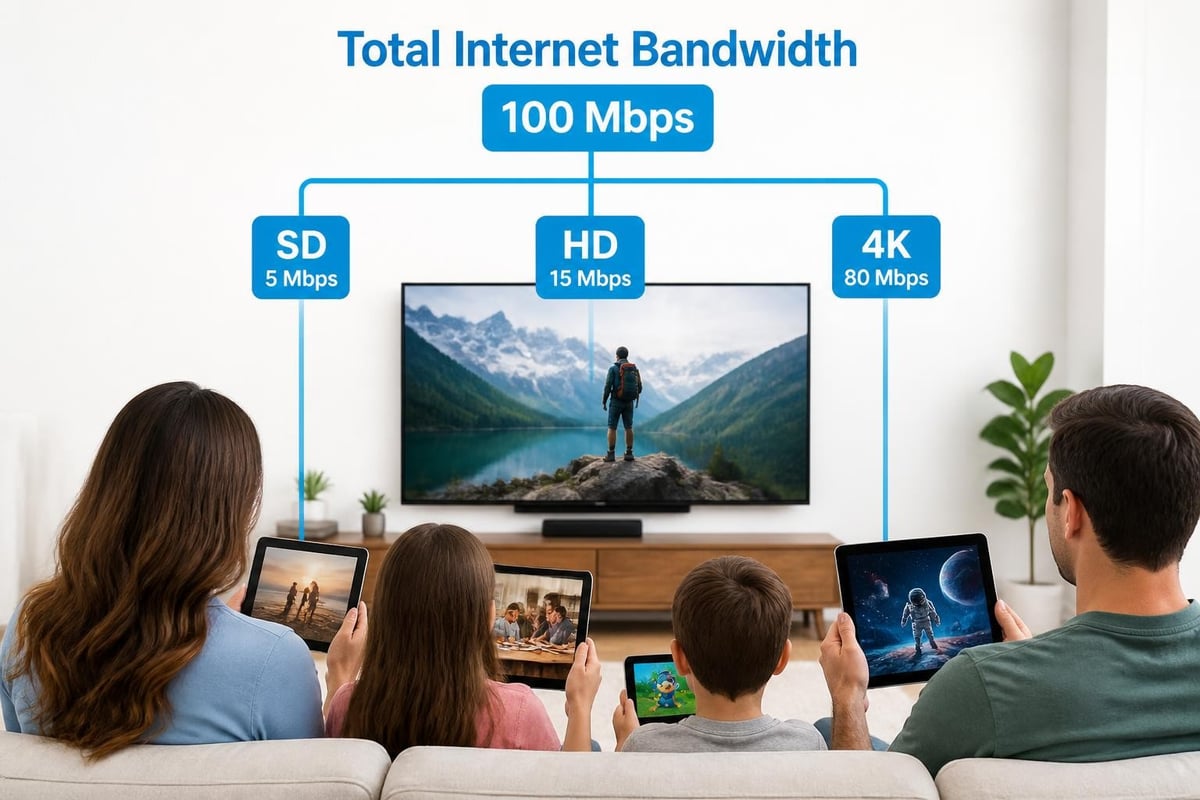
| Multiple Simultaneous Streams | 25+ Mbps | 50-100 Mbps |
Households with multiple simultaneous viewers should calculate total bandwidth by multiplying individual stream requirements by the number of concurrent streams plus 20% overhead for other internet activities.
Network Optimization Strategies
Maximizing streaming performance requires attention to several technical factors:
- Router placement: Position your router centrally with minimal physical obstructions
- Wired connections: Use ethernet cables for stationary devices like smart TVs
- 5GHz WiFi: Connect to 5GHz networks when available for reduced interference
- Quality of Service (QoS): Configure router settings to prioritize streaming traffic
TechRadar’s VPN streaming guide highlights how VPN services can help access geo-restricted content while maintaining streaming quality, though VPNs may reduce speeds by 10-30%.
Benefits of Live TV Streaming Services
The advantages of streaming extend beyond basic cost savings and convenience.
Eliminating Equipment Clutter
Traditional cable requires set-top boxes, DVRs, and complex wiring throughout your home. Each additional room demands another box rental fee. Streaming eliminates this equipment entirely, using devices you likely already own or affordable streaming sticks costing $25-$50 as one-time purchases.
Contract-Free Flexibility
Month-to-month subscriptions provide the freedom to cancel, pause, or switch services without penalty. This flexibility proves particularly valuable for:
- Seasonal viewers who only watch during specific sports seasons
- Budget-conscious households adjusting entertainment spending
- Comparison shoppers testing multiple services
- Temporary situations like college semesters or short-term relocations
Expanded Content Libraries
Many live TV streaming services bundle on-demand libraries with live channels, providing thousands of movies and shows alongside broadcast programming. This integration eliminates the need for separate streaming subscriptions, consolidating entertainment into a single platform.
Common Problems and Solutions
Despite their advantages, live TV streaming services present occasional challenges that users should understand and prepare to address.
Buffering and Stream Interruptions
The most frequent complaint involves buffering during live events, particularly during high-traffic periods like major sporting events or breaking news coverage.
Solutions include:
- Reducing streaming quality temporarily during peak hours
- Closing unnecessary applications consuming bandwidth
- Connecting directly via ethernet instead of WiFi
- Upgrading internet service to higher bandwidth tiers
- Restarting streaming devices and routers to clear temporary issues
Research on low-latency streaming technologies demonstrates ongoing improvements in reducing delays and improving reliability for real-time content delivery.
Channel Availability and Regional Restrictions
Geographic limitations occasionally prevent access to local channels or regional sports networks. Some services excel at providing comprehensive local coverage while others struggle in specific markets.
Recommended approaches:
- Verify local channel availability before subscribing
- Use antenna for local broadcasts combined with streaming for cable channels
- Consider services with stronger regional coverage in your area
- Explore options for accessing geo-restricted content through legitimate means
Learning Curve and Interface Adjustment
Transitioning from cable’s familiar channel-surfing experience to streaming interfaces requires adjustment. Different services employ varying navigation systems, search functions, and guide layouts.
Most users adapt within 1-2 weeks of consistent use. Taking advantage of free trials allows you to evaluate interface usability before committing financially.
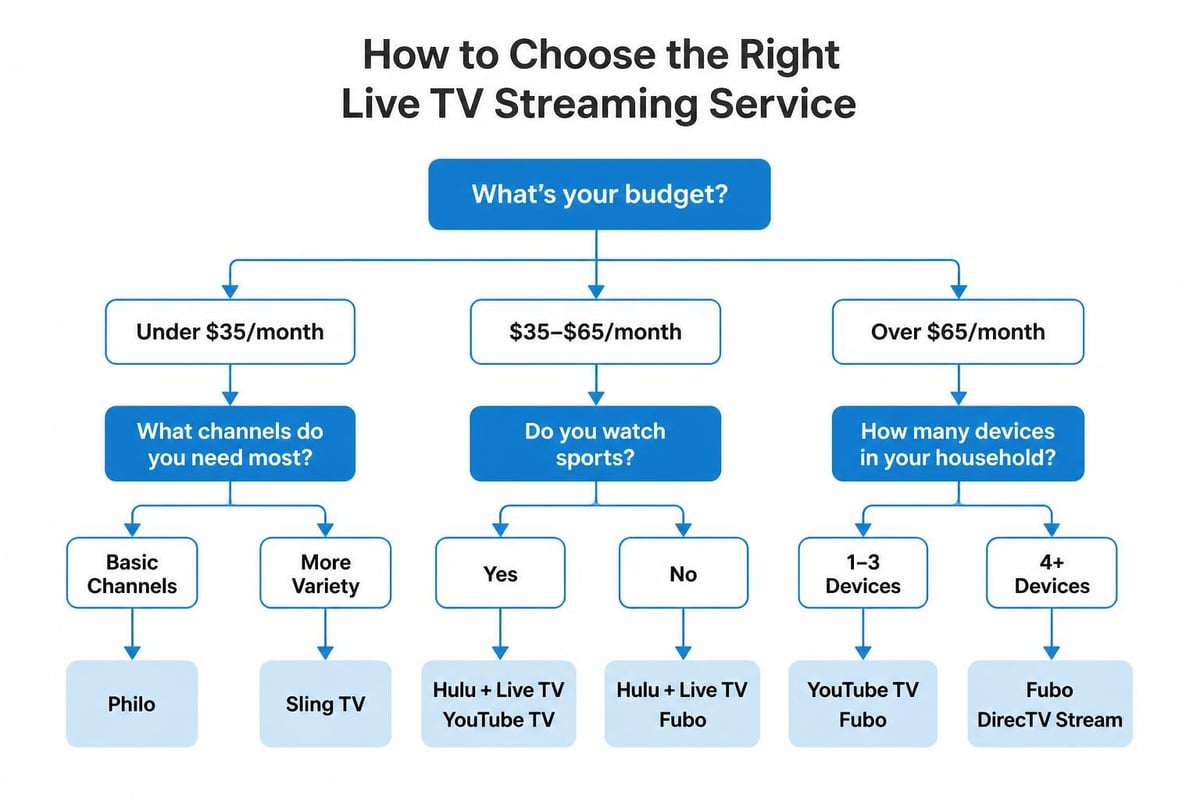
Making Your Selection Decision
Choosing the best streaming for live tv service requires systematic evaluation of your specific needs against available options.
Assessment Framework
Begin by documenting your requirements:
- Must-have channels: List 10-15 channels you watch regularly
- Budget ceiling: Determine maximum monthly spending
- Simultaneous streams: Count typical concurrent viewers
- DVR needs: Estimate weekly recording hours
- Device ecosystem: Inventory existing streaming devices
Service Comparison Process
Create a comparison matrix evaluating 3-5 services against your requirements:
| Service | Monthly Cost | Must-Have Channels | DVR Hours | Simultaneous Streams | Device Support |
|---|---|---|---|---|---|
| Option A | $$ | 8/10 | 200 | 3 | Excellent |
| Option B | $$$ | 10/10 | Unlimited | 3 | Good |
| Option C | $ | 6/10 | 50 | 2 | Excellent |
Popular Science’s comprehensive review of live TV services provides detailed comparisons across multiple evaluation criteria to inform your decision-making process.
Trial Period Strategy
Most services offer 5-14 day free trials. Maximize trial value by:
- Testing during periods when you’ll watch extensively
- Verifying all must-have channels stream properly
- Evaluating DVR functionality and interface usability
- Assessing streaming quality across different devices
- Noting any technical issues or limitations
Set calendar reminders before trial expiration to avoid unwanted charges if the service doesn’t meet expectations.
Maximizing Value from Your Streaming Service
Once you’ve selected a service, several strategies enhance value and optimize your investment.
Strategic Package Selection
Many providers offer tiered packages with different channel lineups. Analyze viewing patterns over 2-3 months to identify:
- Channels watched weekly versus monthly
- Programs available through free streaming apps
- Content accessible through other subscriptions
This analysis often reveals opportunities to downgrade packages, saving $10-$20 monthly without sacrificing genuinely valued content.
Promotional Opportunities
Streaming services frequently run promotional offers including:
- Extended free trials during competitive periods
- Discounted first-month pricing for new subscribers
- Annual subscription savings versus monthly billing
- Bundle discounts combining multiple services
- Student, military, or senior citizen pricing
Monitor deal aggregation sites and service announcements to capitalize on limited-time offers.
Seasonal Subscription Management
Consider the flexibility to subscribe seasonally based on programming cycles:
- Sports fans might subscribe September through February for football season
- Entertainment viewers could rotate services quarterly to access different content libraries
- News-focused viewers might maintain year-round subscriptions to single lower-cost services
This rotation strategy can reduce annual entertainment costs by 30-50% while maintaining access to priority content.
FAQ
What is the best streaming for live TV in 2026?
The best streaming for live TV depends on individual priorities. YouTube TV and Hulu + Live TV offer comprehensive channel lineups with excellent DVR capabilities for mainstream viewers. FuboTV excels for sports enthusiasts. Philo provides the most affordable option for entertainment-focused households. IPTV services deliver extensive international and domestic channel access with flexible pricing models.
How much does live TV streaming cost compared to cable?
Live TV streaming services typically range from $25-$80 monthly compared to cable packages averaging $120-$180. Most households save $50-$100 monthly by switching to streaming, translating to $600-$1,200 annually. Additional savings come from eliminating equipment rental fees, installation charges, and hidden surcharges common with cable providers.
Can I watch local channels through streaming services?
Most major streaming services provide local ABC, NBC, CBS, and FOX affiliates in markets covering over 95% of US households. Availability varies by location and service. Services like YouTube TV and Hulu + Live TV offer the most comprehensive local coverage. Combining streaming with a digital antenna provides guaranteed local access regardless of streaming service limitations.
Do I need special equipment for live TV streaming?
No specialized equipment is required beyond devices you likely own. Smart TVs, smartphones, tablets, and computers can stream directly. For non-smart TVs, affordable streaming devices like Roku, Fire TV Stick, or Chromecast cost $25-$50 as one-time purchases. A reliable internet connection with minimum speeds of 25 Mbps for HD streaming is essential.
Can multiple people watch different channels simultaneously?
Yes, most services support 2-3 simultaneous streams in basic packages, with premium tiers allowing unlimited or up to 10 concurrent streams. This enables family members to watch different content on separate devices simultaneously. Check specific service limits before subscribing if multiple simultaneous viewers are important to your household.
What internet speed do I need for live TV streaming?
Minimum speeds of 5-8 Mbps support single HD streams, while 25 Mbps handles 2-3 simultaneous HD streams comfortably. Households with multiple viewers should maintain 50-100 Mbps for optimal performance. 4K streaming requires 25+ Mbps per stream. Account for other household internet activities when calculating total bandwidth requirements.
How does cloud DVR work with streaming services?
Cloud DVR stores recordings on service provider servers rather than physical devices in your home. You schedule recordings through the service interface, and content remains accessible across all your devices for the specified retention period (typically 30 days to 9 months). Storage capacity ranges from 50 hours to unlimited depending on service tier.
Can I cancel anytime without penalties?
Yes, virtually all streaming services operate on month-to-month subscriptions with no contracts or cancellation fees. You can cancel anytime before the next billing cycle and retain access through the end of your paid period. This flexibility allows you to pause service during periods of non-use or switch between providers without financial penalty.
Are sports included in live TV streaming packages?
Most comprehensive services include ESPN, FS1, and major sports networks in base packages. Regional sports networks (RSNs) and premium sports channels like NFL Network often require higher-tier packages or add-ons. FuboTV and YouTube TV provide the most extensive sports coverage, while budget options like Philo exclude sports networks entirely to reduce costs.
How reliable is live TV streaming during major events?
Modern streaming services have significantly improved reliability during high-traffic events. Top providers employ content delivery networks (CDNs) and adaptive bitrate technology to maintain stream quality during peak usage. However, your experience depends heavily on internet connection quality. Wired ethernet connections provide more reliable performance than WiFi during crucial live events.
Can I access streaming services while traveling?
Yes, most services allow access from anywhere within the US through mobile apps and web browsers. Some services detect location changes and adjust local channel availability based on your current location. International access varies by service and may require VPN solutions. Download DVR recordings to mobile devices before travel for offline viewing without internet connectivity.
What happens if my internet goes out?
Unlike cable or satellite that operate independently, streaming services require active internet connectivity. Internet outages completely prevent access to live TV and recorded content. Consider maintaining backup internet options like mobile hotspots for critical viewing situations. Some services allow DVR content downloads for offline viewing, providing limited access during outages.
Selecting the best streaming for live TV ultimately depends on balancing channel requirements, budget constraints, and technical needs within your household. By carefully evaluating available options against your specific viewing priorities, you can identify a service delivering superior value compared to traditional cable while providing enhanced flexibility and modern features. Apollo Group TV offers a comprehensive solution with over 100,000 live channels and advanced anti-freeze technology, eliminating the complexity of managing multiple subscriptions while providing seamless entertainment experiences across all your devices.