What Are Live TV Channels?
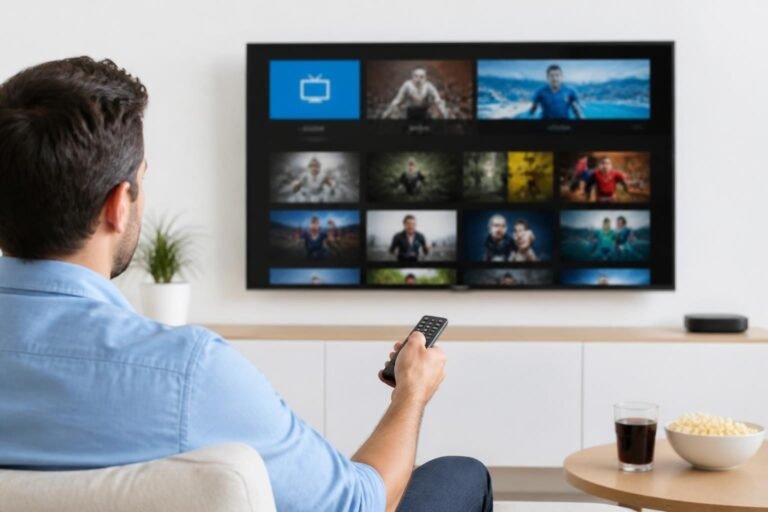
Live TV channels are television broadcasts streamed in real time, allowing viewers to watch news, sports, entertainment, and other programming as it happens. Modern live TV services can be delivered through cable, satellite, internet streaming platforms, or IPTV providers.
The landscape of live television has transformed dramatically over the past decade, yet the fundamental appeal of live TV channels remains unchanged. Whether you’re watching breaking news, live sports, or your favorite network programming, the immediacy and shared experience of live content continues to captivate audiences worldwide. Today’s viewers have unprecedented access to thousands of live TV channels through various platforms, from traditional cable and satellite services to modern internet-based streaming solutions that deliver the same content at a fraction of the cost.
Understanding Live TV Channel Delivery Methods
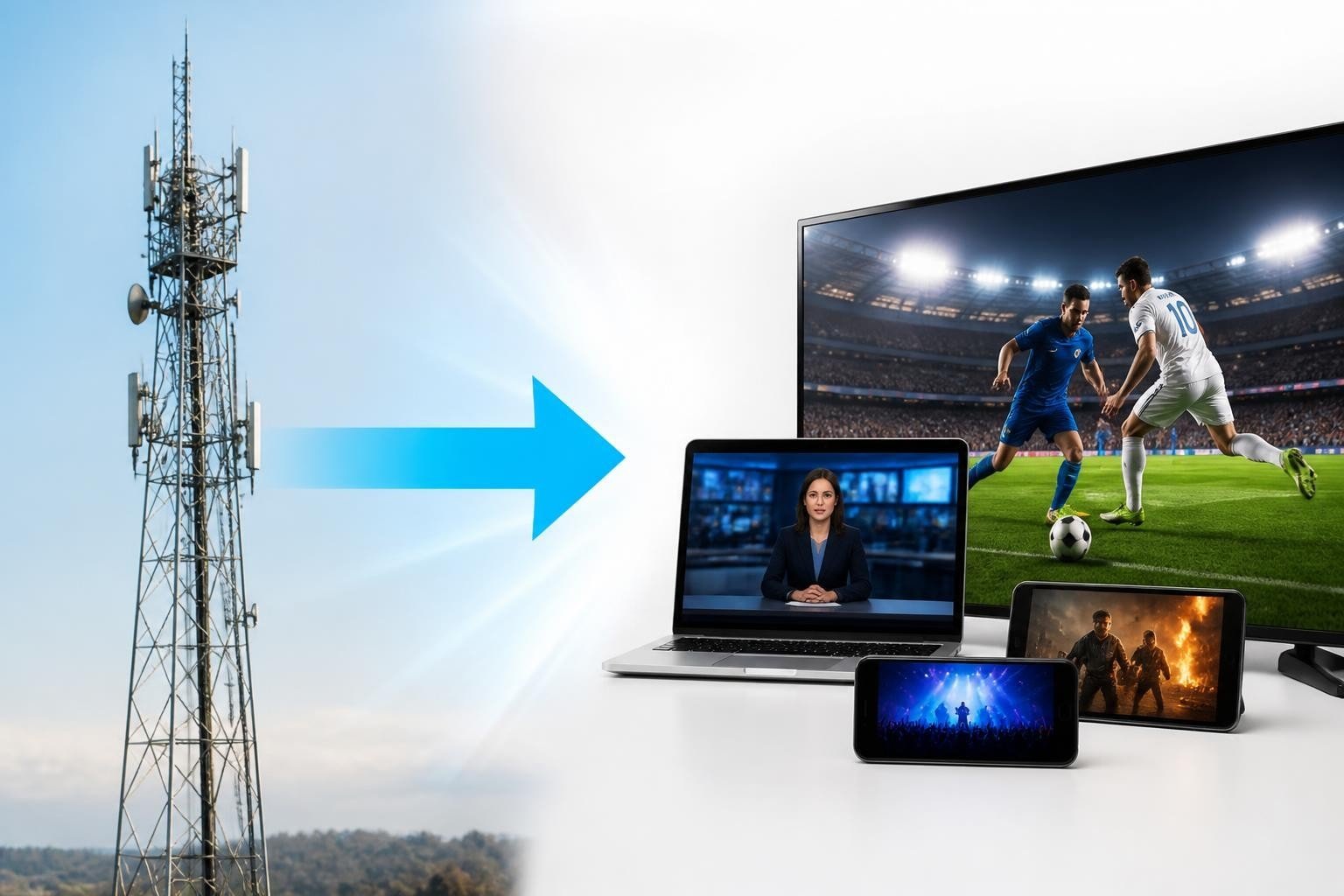
The way live TV channels reach your screen has evolved significantly, with multiple delivery systems now competing for viewer attention. Traditional broadcast methods still serve millions of households, but digital alternatives are rapidly gaining ground.
Cable and Satellite Systems
Cable television relies on coaxial or fiber-optic cables to deliver hundreds of channels directly to homes. These systems offer reliability and picture quality but typically come with high monthly costs and rigid contracts. Satellite services use orbiting satellites to broadcast signals to dish receivers, providing coverage even in remote areas where cable infrastructure doesn’t exist.
Both traditional methods face increasing competition from internet-based alternatives. The infrastructure costs and maintenance requirements make these services expensive, and consumers are increasingly questioning whether they’re getting value for their money.
IPTV and Streaming Platforms
Internet Protocol Television (IPTV) represents the modern approach to delivering live TV channels. Instead of dedicated cables or satellite dishes, IPTV uses your existing internet connection to stream channels in real-time. This technology has made it possible for services like Apollo Group TV Subscription to offer access to over 100,000 live channels without the infrastructure limitations of traditional providers.
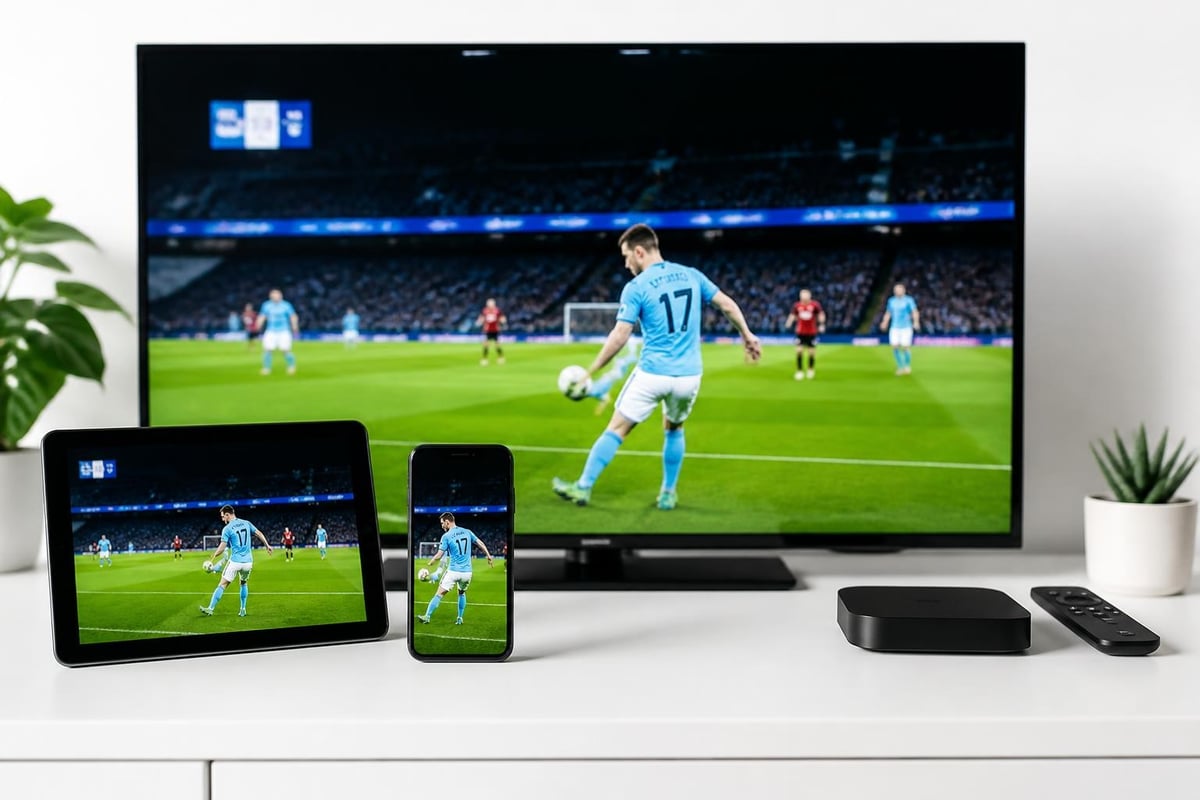
The advantages of IPTV extend beyond simple cost savings:
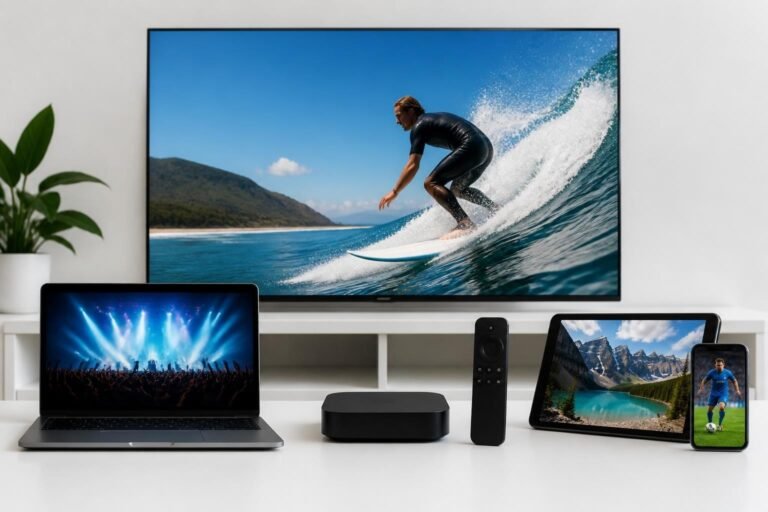
- Device flexibility allowing viewing on smartphones, tablets, computers, and smart TVs
- No geographic restrictions for most content, expanding your channel selection
- Advanced features like pause, rewind, and multi-device streaming
- Scalable infrastructure that doesn’t require physical installation visits
According to recent developments in 5G technology for live TV production, the infrastructure supporting live streaming continues to improve, with enhanced bandwidth control and reliability even in challenging conditions.
Categories of Live TV Channels Available Today
The sheer variety of live TV channels available in 2026 can be overwhelming. Understanding the major categories helps you identify which services offer the content you actually want to watch.
News and Information Channels
News networks operate 24/7, providing continuous coverage of current events, weather, financial markets, and analysis. Major networks like CNN, BBC World News, Fox News, and MSNBC dominate this category, but regional and international news channels have also proliferated. Many viewers maintain subscriptions primarily for access to live news coverage during major events.
Sports Broadcasting Networks
Sports represent one of the most valuable categories of live TV channels. Networks like ESPN, Fox Sports, NBC Sports, and regional sports networks command premium placement in channel packages. The live nature of sporting events makes them particularly resistant to time-shifted viewing, maintaining strong viewership numbers.
Research on FAST channels and live programming demonstrates that sports content drives exceptional engagement and audience loyalty, making it a cornerstone of any comprehensive live TV package.
Entertainment and General Interest
This broad category encompasses everything from network television (ABC, CBS, NBC, Fox) to cable entertainment channels (TNT, USA Network, FX). These channels mix live programming like talk shows and award ceremonies with scheduled reruns of popular series.
| Channel Category | Typical Count | Primary Appeal | Peak Viewing Times |
|---|---|---|---|
| News Networks | 20-50 | Current events, weather | Morning, evening, breaking news |
| Sports Channels | 30-100 | Live games, analysis | Evenings, weekends |
| Entertainment | 100-300 | Series, movies, variety | Primetime (8-11 PM) |
| International | 50-200+ | Language-specific content | Varies by region |
| Specialty | 50-150 | Niche interests | Varies widely |
Specialty and Niche Channels
The expansion of channel capacity through internet delivery has enabled an explosion of specialty channels. Cooking networks, home improvement channels, true crime networks, and countless other niche options cater to specific interests. International channels serving various language communities have also multiplied, connecting diaspora communities with content from their home countries.
Technology Behind Live Channel Streaming
Understanding the technical infrastructure that delivers live TV channels helps explain the differences in quality, reliability, and features across various services.
Encoding and Compression
Live video must be encoded and compressed in real-time to make streaming practical over internet connections. Modern codecs like H.264 and H.265 (HEVC) compress video efficiently while maintaining quality. The balance between compression and quality determines how much bandwidth a channel requires and how good it looks on your screen.
Advanced services implement adaptive bitrate streaming, which automatically adjusts quality based on your connection speed. This prevents buffering while maximizing picture quality when bandwidth allows.
Content Delivery Networks
Content Delivery Networks (CDNs) form the backbone of reliable live streaming. These distributed server networks ensure that video streams originate from locations close to viewers, reducing latency and improving reliability. When thousands of viewers watch the same live channel simultaneously, CDNs efficiently distribute the load.
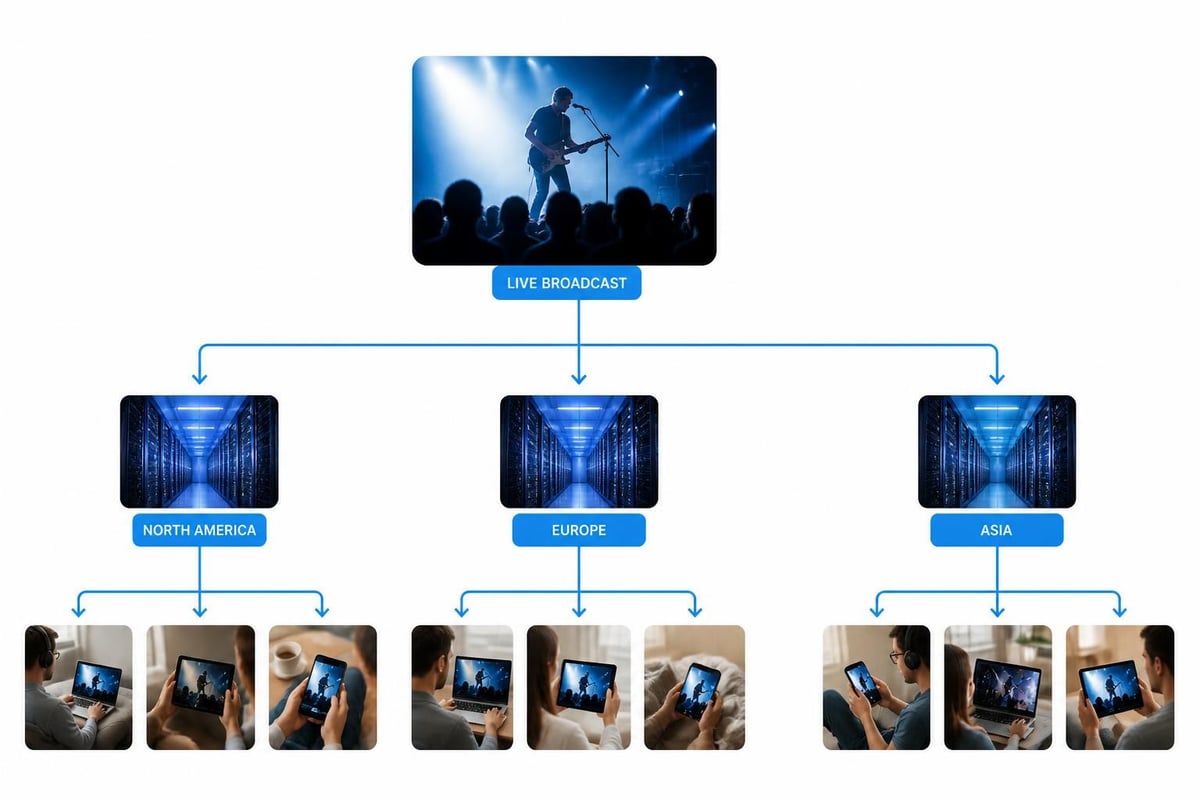
The infrastructure investment required for robust CDNs partly explains why some streaming services deliver more reliable performance than others. Services with anti-freeze technology and redundant server systems maintain streams even during peak demand periods.
Electronic Program Guides and Metadata
Electronic Program Guides (EPG) provide the familiar grid interface showing what’s currently playing and upcoming programming across all channels. Behind the scenes, metadata services continuously update this information, often including detailed descriptions, cast information, and content ratings.
Quality EPG integration distinguishes professional streaming services from basic offerings. The ability to browse upcoming programming, set reminders, or schedule recordings depends on accurate, comprehensive metadata.
Choosing the Right Live TV Channel Service
With numerous options available, selecting the appropriate service requires evaluating several key factors against your specific needs and viewing habits.
Channel Selection and Content Priorities
Start by identifying which channels and content types matter most to you. If sports dominate your viewing, ensure your chosen service carries all relevant networks and regional sports channels. International viewers should verify that channels in their preferred languages are included.
Comprehensive comparisons of live TV streaming services evaluate major providers based on channel lineups, helping consumers match services to their preferences. However, remember that the landscape has shifted significantly, with IPTV services now offering far more extensive channel selections than traditional streaming platforms.
Consider these questions:
- Which specific channels do you watch regularly?
- Do you need local broadcast stations?
- Are international or language-specific channels important?
- How important is sports content to your household?
- Do you need premium movie channels?
Device Compatibility and Streaming Quality
Your devices should support your chosen service seamlessly. Modern IPTV services work across virtually all platforms, including Amazon Fire TV devices, Android TV, smart TVs from major manufacturers, iOS and Android smartphones, tablets, and computers.
Picture quality varies by service, content source, and your internet connection. Most live TV channels stream in 720p or 1080p, with select sports and premium content available in 4K. Methods for accessing free 4K channels have expanded, though premium live content in ultra-high definition typically requires paid services.
Pricing Models and Value Assessment
Traditional cable bills often exceed $100-150 monthly, while streaming alternatives typically range from $40-80 per month for comparable channel counts. However, IPTV services have disrupted this pricing structure entirely, with some offering one-time payment models or significantly reduced monthly fees.
Calculate your total entertainment spending across all subscriptions. Many households maintain Netflix, Hulu, Disney+, and other streaming services alongside live TV, resulting in costs that rival or exceed cable. Consolidating to a comprehensive service that includes both live channels and on-demand content can yield substantial savings.
| Service Type | Typical Monthly Cost | Channel Count | Contract Required |
|---|---|---|---|
| Cable TV | $100-$150 | 150-300 | Usually yes |
| Satellite TV | $80-$140 | 200-400 | Usually yes |
| Streaming TV | $40-$80 | 60-100 | No |
| IPTV Services | $10-$50 | 1,000-100,000+ | Varies |
The Rise of Free Ad-Supported Streaming Television
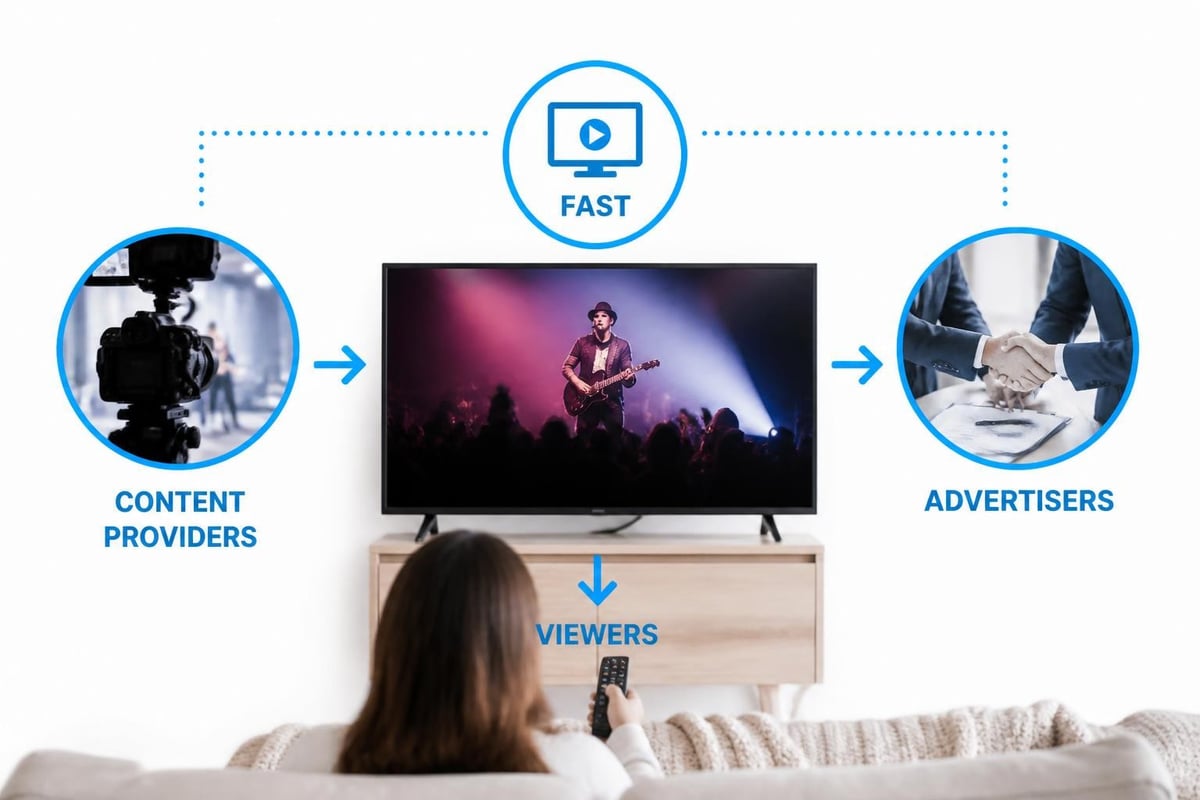
Free Ad-Supported Streaming Television (FAST) channels represent a significant trend in how audiences access live TV channels without subscription costs. These services generate revenue through advertising rather than subscription fees.
How FAST Channels Work
FAST platforms curate content into linear channels that mimic traditional TV experiences. Rather than choosing from an overwhelming library, viewers flip through channels showing scheduled programming. Paramount’s launch of live channels exemplifies how major media companies are embracing this format, recognizing that many viewers prefer the simplicity of channel surfing.
The business model depends on viewer attention and ad engagement. As Nielsen research indicates, FAST services are making linear TV appealing again, especially when combined with personalization features that help viewers discover relevant channels.
Content and Channel Variety
FAST services offer diverse channel types, from classic TV series to movies, news, and specialty content. While these free options won’t replace comprehensive live TV packages for viewers who need current network programming and live sports, they provide excellent supplementary entertainment.
The integration of live news and sports into FAST channels is accelerating revenue growth and viewer engagement, suggesting this format will continue expanding.
Technical Requirements for Optimal Viewing
Ensuring your home network and devices meet minimum requirements prevents frustration and delivers the best possible experience with live TV channels.
Internet Connection Specifications
Live streaming demands consistent internet speeds. While services may function at lower speeds, optimal performance typically requires:
- Standard definition (SD): 3-4 Mbps per stream
- High definition (HD): 5-8 Mbps per stream
- 4K/Ultra HD: 25+ Mbps per stream
Remember these are per-stream requirements. If multiple family members watch different channels simultaneously, multiply accordingly. A household with three concurrent HD streams needs at least 15-24 Mbps consistently available for video alone.
Upload speed matters less for viewing but becomes important if you’re using cloud DVR features to record content for later viewing. Most home internet connections provide asymmetric speeds with much faster downloads than uploads, which works fine for standard viewing.
Device Performance and Updates
Older streaming devices may struggle with modern codec requirements or lack sufficient processing power for smooth playback. Devices from 2022 or newer generally handle current streaming demands well, but budget devices may compromise on features or reliability.
Keep your devices updated with the latest firmware and app versions. Developers continuously optimize streaming apps for better performance, bug fixes, and new features. Enabling automatic updates ensures you benefit from these improvements without manual intervention.
Network Optimization Tips
Several strategies improve streaming reliability:
- Use wired Ethernet connections for stationary devices like smart TVs and streaming boxes when possible
- Position Wi-Fi routers centrally and away from interference sources like microwaves and cordless phones
- Upgrade to Wi-Fi 6 routers if using multiple wireless devices simultaneously
- Implement Quality of Service (QoS) settings on your router to prioritize streaming traffic
- Close unnecessary applications on streaming devices to free up processing resources
International Live TV Channels and Global Access
The internet’s borderless nature has revolutionized access to international live TV channels, connecting viewers with content from around the world.
Language and Regional Content
Diaspora communities particularly benefit from modern IPTV services that offer channels in dozens of languages. Whether you’re seeking Arabic news networks, Indian entertainment channels, Spanish-language programming, or Asian sports coverage, comprehensive services now aggregate international content that would have been impossible to access through traditional providers.
This global reach extends beyond serving immigrant communities. Language learners use international channels for immersion, while curious viewers explore programming from different cultures and perspectives.
Geographic Restrictions and Solutions
Content licensing agreements often restrict where certain channels can legally stream. A sports network might own broadcast rights in one country but not another, creating geographic limitations. While some services implement regional restrictions, IPTV technology can often provide access to international content that traditional providers cannot offer.
The regulatory landscape varies significantly by country. Some nations strictly regulate television services, while others take a hands-off approach. Understanding the legal framework in your location helps ensure compliance with local regulations.
Future Trends in Live TV Channel Technology
The evolution of live TV channels continues accelerating, with several emerging technologies poised to reshape viewing experiences in coming years.
Artificial Intelligence and Personalization
AI-driven recommendation engines already suggest content based on viewing history, but future applications will extend to live channels. Imagine an EPG that learns your preferences and automatically highlights upcoming programs you’re likely to enjoy, or smart channel guides that reorganize themselves based on your viewing patterns.
Personalized advertising within live streams is also advancing, with different viewers seeing different commercials during the same broadcast. This targeting increases advertiser value while potentially making ads more relevant to viewers.
Enhanced Interactivity Features
Interactive elements are expanding beyond simple pause and rewind functionality. Multi-angle viewing for sports, integrated statistics overlays, social media integration during live events, and synchronized second-screen experiences are becoming standard features on advanced platforms.
The boundary between live broadcasting and interactive streaming continues blurring. Sports broadcasts now offer real-time betting integration, shopping channels enable instant purchases through remote controls, and news programs incorporate viewer polls and questions directly into live coverage.
8K and Immersive Formats
While 4K adoption continues growing, 8K broadcasts are beginning to appear for premium content. The bandwidth requirements remain prohibitive for widespread adoption, but as streaming technology advances, improved compression and delivery methods will make ultra-high-definition live channels more practical.
Virtual reality and augmented reality applications for live TV channels remain experimental but show promise. Imagine watching a concert from multiple virtual vantage points or experiencing sports with immersive 360-degree perspectives.
The modern landscape of live TV channels offers unprecedented choice, flexibility, and value compared to traditional broadcasting models. Whether you prioritize comprehensive channel selection, international content, sports coverage, or simply want to reduce entertainment costs, today’s technology provides solutions that were impossible just a few years ago. Apollo Group TV delivers exactly this kind of comprehensive solution, combining over 100,000 live channels with on-demand content, multi-device compatibility, and advanced features like anti-freeze technology, all designed to replace expensive cable subscriptions with a single, affordable service that works seamlessly across all your devices.