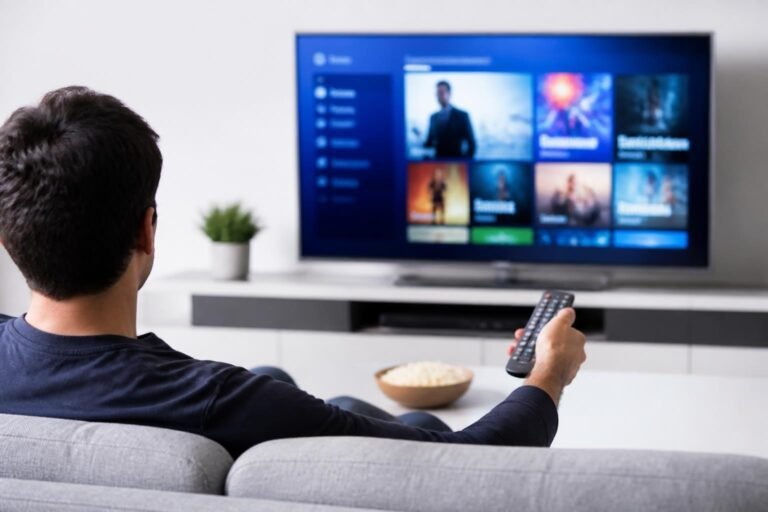
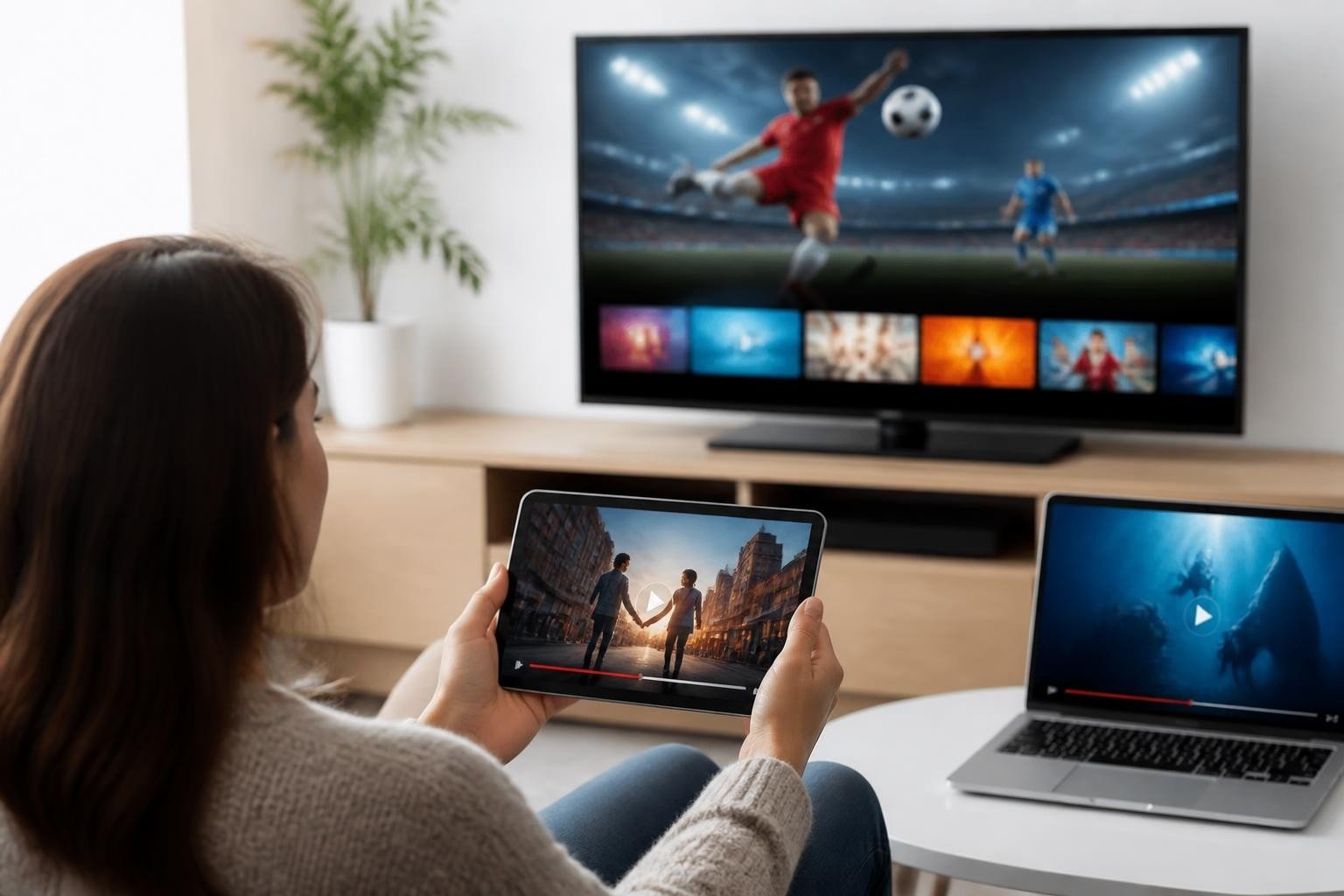
The way we consume television content has fundamentally changed over the past decade. Gone are the days when viewers were tethered to cable boxes and rigid broadcast schedules. Today, a watch TV app represents the new frontier of entertainment, offering unprecedented flexibility and access to content across smartphones, tablets, smart TVs, and streaming devices. These applications have revolutionized how millions of people access live channels, movies, and on-demand programming, making entertainment truly portable and personalized.
What is a Watch TV App?
A watch TV app is a software application that enables users to stream live television channels, movies, TV shows, and on-demand content through internet connectivity rather than traditional cable or satellite services. These apps deliver programming across multiple devices including smartphones, tablets, smart TVs, and streaming devices, offering flexibility and convenience that traditional broadcast methods cannot match.
Key Takeaways
- Modern streaming apps provide access to thousands of channels and on-demand content without cable subscriptions
- Multi-device compatibility allows seamless viewing across phones, tablets, TVs, and streaming devices
- Advanced features like cloud DVR, pause live TV, and personalized recommendations enhance the viewing experience
- Cost-effective alternatives to cable can reduce entertainment expenses by 50-70%
- Quality depends on internet speed, app optimization, and service provider infrastructure
Benefits of Using a Watch TV App
The shift toward app-based television consumption brings tangible advantages that extend beyond simple convenience. Understanding these benefits helps viewers make informed decisions about their entertainment options.
Cost Savings and Flexibility
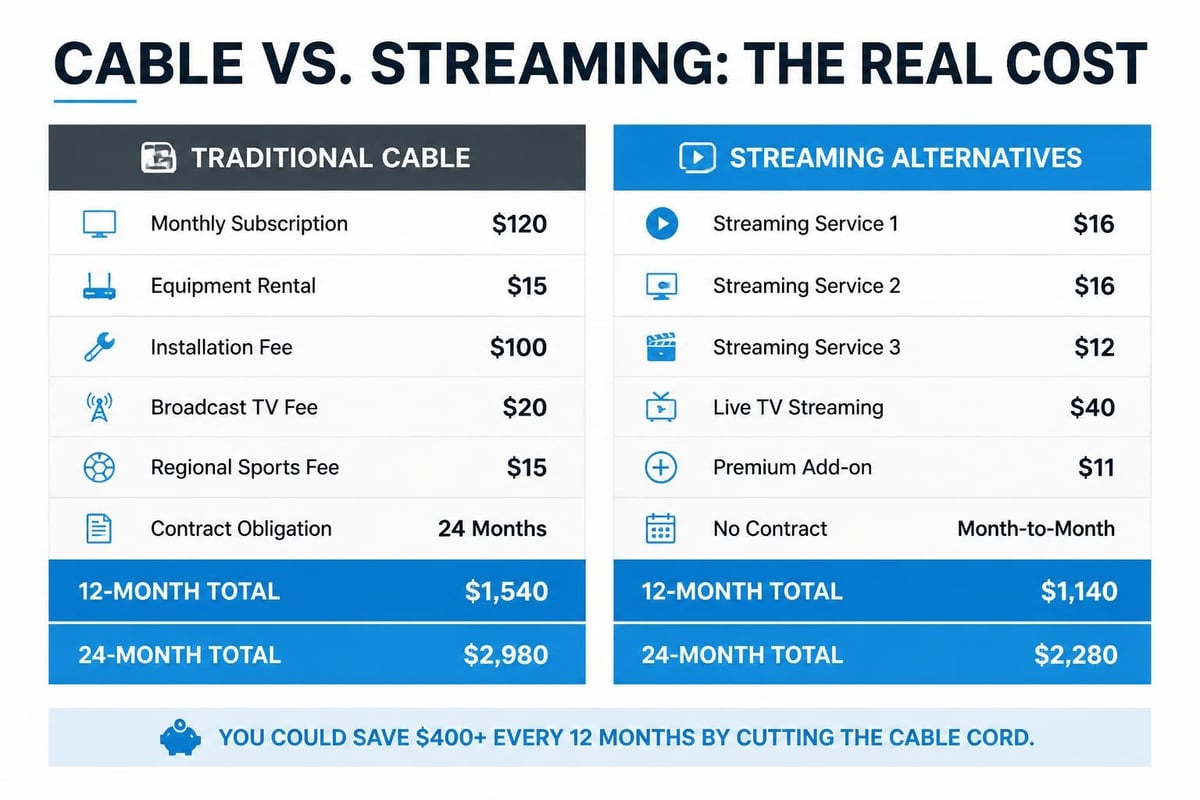
Traditional cable packages often force consumers to pay for hundreds of channels they never watch. A watch TV app typically offers more targeted content selection at a fraction of the cost. Many services eliminate equipment rental fees, installation charges, and long-term contracts that burden cable subscribers.
- No hardware requirements beyond existing devices
- Month-to-month flexibility without lengthy commitments
- Customizable packages that match viewing preferences
- Elimination of hidden fees common with cable providers
Device Compatibility and Portability
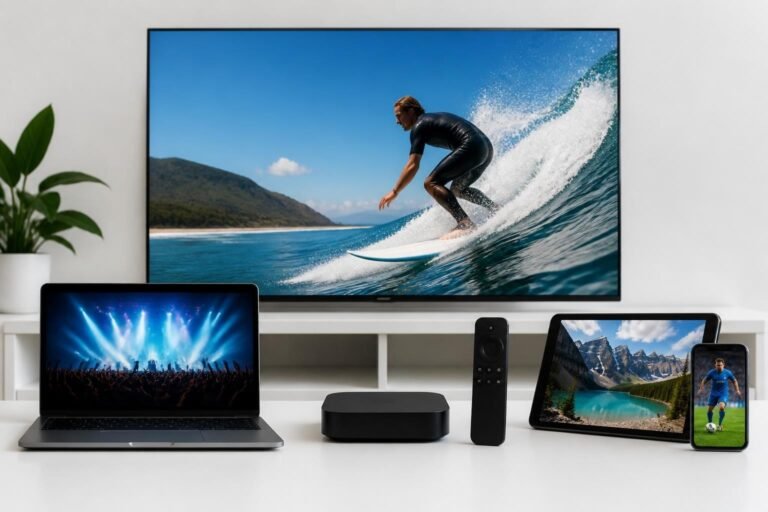
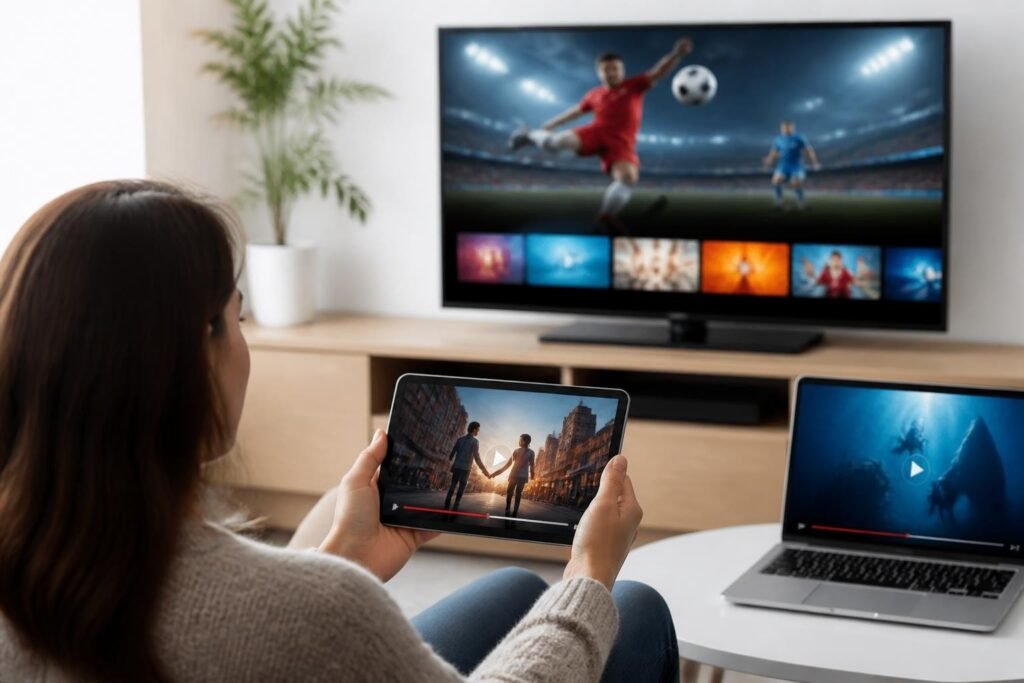
Modern streaming applications work seamlessly across the device ecosystem. Whether you’re watching on a 65-inch smart TV or a smartphone during your commute, the experience adapts to your screen and situation.
Your content library follows you everywhere. Start watching on your living room TV, pause, and resume on your tablet in another room. This continuity creates a genuinely flexible entertainment experience that traditional television cannot replicate.
Features to Look For in a Quality Watch TV App
Not all streaming applications deliver the same experience. Distinguishing between basic and premium services requires understanding which features matter most for your viewing habits.
Content Library Depth
The foundation of any streaming service lies in its content offerings. Evaluate both the breadth and depth of available programming.
| Feature Category | What to Look For | Why It Matters |
|---|---|---|
| Live Channels | 1,000+ channels across categories | Access to news, sports, entertainment in real-time |
| On-Demand Library | 10,000+ titles minimum | Flexibility to watch what you want, when you want |
| Sports Coverage | Major leagues and events | Essential for sports enthusiasts |
| International Content | Multiple language options | Serves diverse viewer populations |
| Premium Networks | HBO, Showtime, etc. | Access to exclusive original content |
Technical Performance
Streaming quality directly impacts viewer satisfaction. Premium applications invest heavily in infrastructure to deliver smooth, reliable performance.
Anti-Freeze Technology
Buffer interruptions destroy immersion and frustrate viewers. Advanced services implement anti-freeze technology that pre-loads content and adapts stream quality based on available bandwidth. This ensures smooth playback even during network fluctuations.
Stream Quality Options
The best applications offer multiple resolution options from standard definition through 4K Ultra HD. Automatic quality adjustment based on connection speed prevents buffering while maximizing picture quality when bandwidth allows.
Research on smart TV application testing demonstrates that automated quality assurance significantly improves user experience and reduces technical issues.
User Interface and Navigation
Even the most extensive content library becomes frustrating if users cannot find what they want to watch. Intuitive design separates exceptional apps from mediocre ones.
- Search functionality with voice and text options
- Content categorization by genre, network, and popularity
- Personalized recommendations based on viewing history
- Watchlist features to bookmark content
- Parental controls for family-friendly filtering
Why People Choose Watch TV Apps Over Cable
The migration from traditional cable to streaming applications reflects fundamental shifts in how people consume media and manage household budgets.
Economic Considerations
Cable bills have increased 74% over the past decade while household incomes grew only 29%. This disparity drives consumers toward more affordable alternatives. A quality Apollo Group TV Subscription can provide comprehensive access to live channels and on-demand content at a fraction of traditional cable costs, often with one-time payment options that eliminate recurring monthly charges.
Content Control and Customization
Modern viewers want control over their entertainment experience. They demand the ability to watch specific content without paying for unwanted channels, to pause live programming, and to access content across multiple devices seamlessly.
The PBS Video App exemplifies how even traditional broadcasters have embraced streaming, offering extensive on-demand libraries accessible across devices without subscription fees.
Elimination of Contracts and Equipment
Cable providers typically require multi-year contracts, charge equipment rental fees, and impose early termination penalties. Streaming applications eliminate these restrictions, offering month-to-month flexibility and requiring no proprietary hardware beyond compatible devices most households already own.
Common Problems and Solutions
Even the best streaming services encounter occasional issues. Understanding common problems and their solutions helps users maintain optimal viewing experiences.
Buffering and Stream Interruption
Problem: Constant buffering ruins the viewing experience and indicates insufficient bandwidth or service issues.
Solutions:
- Test internet speed – Minimum 25 Mbps for HD, 50 Mbps for 4K
- Close background applications consuming bandwidth
- Connect via Ethernet rather than WiFi when possible
- Reduce stream quality temporarily if bandwidth is limited
- Contact service provider if issues persist across multiple apps
App Compatibility Issues
Problem: Not all apps work equally well across every device platform or operating system version.
Solutions:
- Verify device compatibility before subscribing
- Update device firmware to latest version
- Clear app cache to resolve performance degradation
- Reinstall the application if crashes occur frequently
- Check service status pages for known outages
Studies examining smart TV app testing frameworks reveal that systematic quality assurance significantly reduces compatibility issues and improves cross-platform performance.
Content Discovery Challenges
Problem: Extensive libraries can overwhelm users, making it difficult to find desired content.
Solutions:
- Utilize advanced search filters by genre, year, rating
- Create custom watchlists for future viewing
- Explore curated collections and editor picks
- Enable personalized recommendations based on viewing history
- Browse new additions sections regularly
Privacy Considerations for Streaming Apps
As streaming becomes ubiquitous, privacy concerns deserve attention. Understanding data collection practices empowers informed decisions.
Viewing Activity Tracking
Research on Automatic Content Recognition (ACR) tracking reveals that many smart TV platforms monitor viewing activity to build advertising profiles. Quality streaming services should clearly disclose data collection practices and offer opt-out options.
Privacy Protection Steps:
- Review privacy policies before subscribing
- Disable ACR features in TV settings
- Use VPN services for additional privacy
- Limit permission grants to essential functions only
- Monitor account activity for unauthorized access
Platform-Specific Considerations
Different devices offer varying experiences with streaming applications. Understanding platform strengths helps optimize your setup.
Smart TV Integration
Services like WHRO+ streaming demonstrate how modern apps integrate directly into smart TV interfaces, eliminating the need for external devices. Native apps often provide superior performance and simpler navigation compared to casting or mirroring solutions.
Streaming Device Options
| Device Type | Advantages | Considerations |
|---|---|---|
| Amazon Fire Stick | Affordable, Alexa integration, extensive app support | Amazon ecosystem emphasis |
| Roku | Platform-neutral, user-friendly interface | Limited voice control |
| Apple TV | Premium build, seamless iOS integration | Higher cost |
| Android TV | Google ecosystem, broad compatibility | Varies by manufacturer |
| Chromecast | Affordable, simple casting | Requires phone/tablet control |
Mobile Experience
The WETA+ app showcases how streaming services optimize for mobile viewing with download capabilities for offline watching, data-saving modes, and interfaces designed for smaller screens.
Future Trends in Streaming Applications
The streaming landscape continues evolving rapidly. Awareness of emerging trends helps viewers anticipate what’s coming.
Interactive Content
Next-generation applications will offer increasingly interactive experiences, allowing viewers to influence storylines, access multiple camera angles during live sports, and participate in real-time polls and discussions.
Enhanced Personalization
Artificial intelligence advances will deliver hyper-personalized content recommendations, automatic quality optimization based on viewing patterns, and predictive pre-loading of content users are likely to watch.
Integration and Consolidation
As the streaming market matures, expect greater integration between services, unified search across multiple platforms, and potentially consolidated billing options that simplify subscription management.
Comparing Watch TV App Options
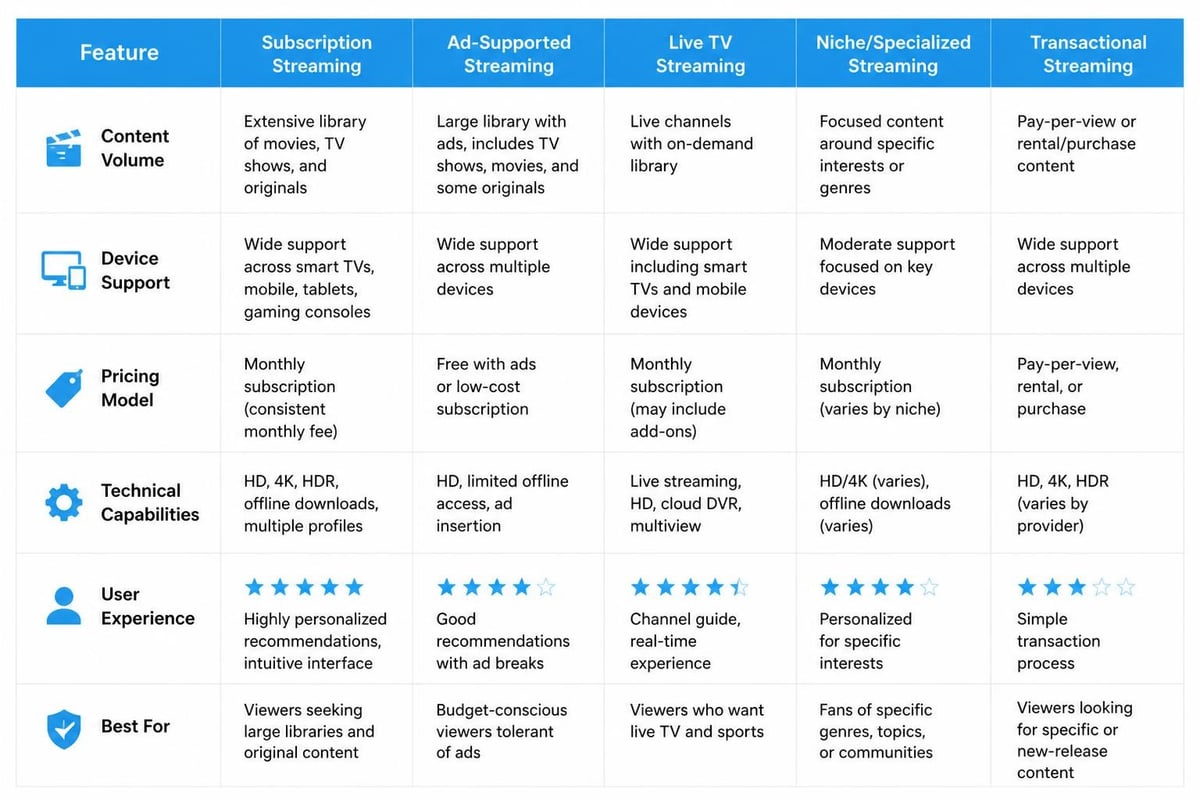
The abundance of streaming choices requires systematic comparison to identify the best fit for individual needs and preferences.
Evaluation Criteria
When comparing services, consider these factors:
- Content library size and variety
- Technical reliability and stream quality
- Device compatibility across your ecosystem
- Pricing structure and total cost
- User interface quality and ease of use
- Customer support availability and responsiveness
- Special features like DVR, simultaneous streams
- Contract requirements and cancellation policies
The WHYY Watch App demonstrates how regional broadcasters complement national services, offering localized content that major platforms may not provide.
Maximizing Your Streaming Experience
Getting the most value from your watch TV app requires optimization across multiple dimensions.
Network Optimization
Internet Speed Requirements:
- Standard Definition: 3-4 Mbps
- High Definition: 5-8 Mbps
- Full HD (1080p): 15-25 Mbps
- 4K Ultra HD: 25-50 Mbps
Position your router centrally, minimize interference from other devices, and consider mesh network systems for larger homes. Wired connections always outperform wireless when feasible.
Content Organization Strategies
- Use watchlists to queue content across genres
- Set up profiles for family members with different preferences
- Enable notifications for new episodes of favorite shows
- Explore recommendations to discover new content
- Regularly review and remove completed items from lists
Multi-Device Coordination
Optimize how you use different devices for different viewing scenarios. Large screens suit movie watching and sports, tablets work well for casual viewing, and phones serve commuting and travel needs.
Frequently Asked Questions
What is the difference between a watch TV app and cable TV?
A watch TV app delivers content through internet connectivity across multiple devices without requiring cable infrastructure or proprietary equipment. Cable TV uses dedicated physical lines and set-top boxes tied to specific locations. Streaming apps typically cost less, offer greater flexibility, and provide on-demand access, while cable may offer more reliable performance in areas with poor internet connectivity.
Do I need a smart TV to use a watch TV app?
No, you do not need a smart TV. While smart TVs have apps built-in, you can access streaming services through devices like Amazon Fire Stick, Roku, Apple TV, Chromecast, or gaming consoles connected to any TV with an HDMI port. You can also watch on smartphones, tablets, and computers.
How much internet speed do I need for streaming?
Minimum speeds depend on desired quality: 3-4 Mbps for standard definition, 5-8 Mbps for HD, 15-25 Mbps for Full HD, and 25-50 Mbps for 4K content. For households with multiple simultaneous streams, multiply these requirements accordingly and add buffer for other internet usage.
Can I watch live sports through streaming apps?
Yes, many streaming services offer comprehensive live sports coverage including major leagues, regional sports networks, and international competitions. Verify specific channel availability before subscribing if sports access is your primary need, as offerings vary significantly between services.
How many devices can stream simultaneously?
Simultaneous stream limits vary by service, typically ranging from 1-5 concurrent streams. Premium tiers often include higher limits. Check specific service terms, as some count by screen while others limit by household or account.
Will I have access to local channels?
Local channel availability depends on the service and your location. Some apps provide local affiliates of major networks through internet delivery, while others require antenna integration. Regional services often excel at local content delivery compared to national platforms.
What happens if my internet goes down?
Most streaming apps require active internet connectivity and will not work during outages. Some services offer download capabilities for offline viewing of select content on mobile devices, allowing access to pre-downloaded shows and movies without internet.
Are streaming apps legal?
Legitimate streaming services operating through official app stores with transparent pricing and business practices are legal. Be cautious of services offering unrealistic content volumes at extremely low prices, as these may operate in legal gray areas or violate content licensing agreements.
Can I record shows like a DVR?
Many premium streaming services include cloud DVR functionality, allowing you to record live programming for later viewing. Storage limits, retention periods, and simultaneous recording capabilities vary by service. Some platforms include unlimited cloud DVR while others impose restrictions.
How do I cancel if I’m not satisfied?
Reputable services allow cancellation through account settings online without requiring phone calls or complicated procedures. Most offer month-to-month subscriptions without contracts or penalties for cancellation. Always review cancellation policies before subscribing to avoid unexpected commitments.
Do streaming apps work internationally?
Content availability varies by country due to licensing restrictions. Most services use geo-blocking to restrict access outside their licensed territories. VPN services may circumvent these restrictions, though this potentially violates terms of service. International travelers should verify access policies before traveling.
How do I troubleshoot poor video quality?
First, test your internet speed to ensure adequate bandwidth. Close unnecessary applications consuming bandwidth, restart your router, update the app to the latest version, and clear the app cache. If problems persist, try lowering quality settings manually or contact customer support for assistance.
Modern streaming applications have fundamentally transformed television consumption, offering unprecedented access to content across devices while reducing costs compared to traditional cable. By understanding key features, optimizing your network setup, and selecting services aligned with your viewing preferences, you can create an entertainment experience tailored to your needs. Apollo Group TV eliminates the complexity of multiple subscriptions by providing comprehensive access to over 100,000 live channels and 250,000 movies and shows through a single platform with anti-freeze technology and multi-device streaming, all through an affordable one-time payment model that puts you in control of your entertainment budget.