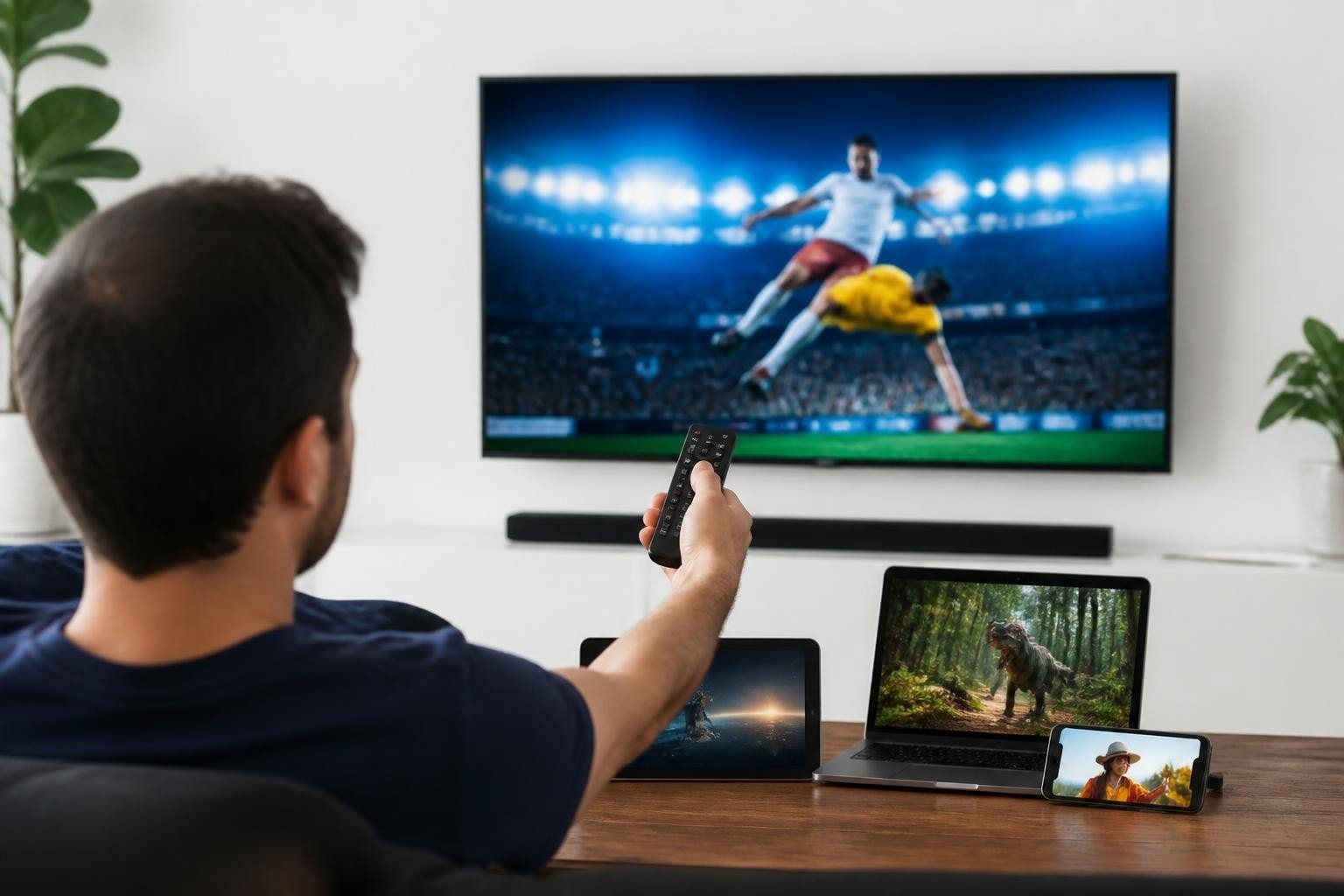
The entertainment landscape has undergone a seismic shift over the past decade, with live streaming services fundamentally changing how audiences consume content. From sports events to breaking news, on-demand movies to real-time concerts, these platforms have replaced traditional broadcasting methods for millions of viewers worldwide. As we progress through 2026, understanding the ecosystem of streaming options, their capabilities, and how to maximize value has become essential for consumers seeking to optimize their entertainment experience without breaking the bank.
What Are Live Streaming Services?
Live streaming services are digital platforms that deliver video and audio content over the internet in real-time or on-demand, enabling viewers to watch television channels, movies, sports, and other programming without traditional cable or satellite subscriptions. These services utilize internet protocol technology to transmit content directly to compatible devices, offering flexibility, affordability, and access to global programming libraries.
Key Takeaways
- Live streaming services have transformed entertainment consumption, offering flexibility and cost savings compared to traditional cable
- The market features diverse options ranging from subscription-based platforms to comprehensive IPTV solutions
- Technology advancements in 2026 include AI integration, enhanced resolution capabilities, and improved content discovery
- Consumers spend significant time navigating fragmented streaming ecosystems, highlighting the need for consolidated solutions
- Cost management strategies and feature comparison are essential for maximizing value from streaming investments
The Evolution of Streaming Technology
The trajectory of live streaming services has accelerated dramatically, with emerging trends in live streaming technology for 2026 reshaping how content reaches audiences. Digital-first operating models now dominate the industry, replacing traditional broadcast infrastructure with IP-based workflows that offer unprecedented flexibility and resilience.
AI and Automation Integration
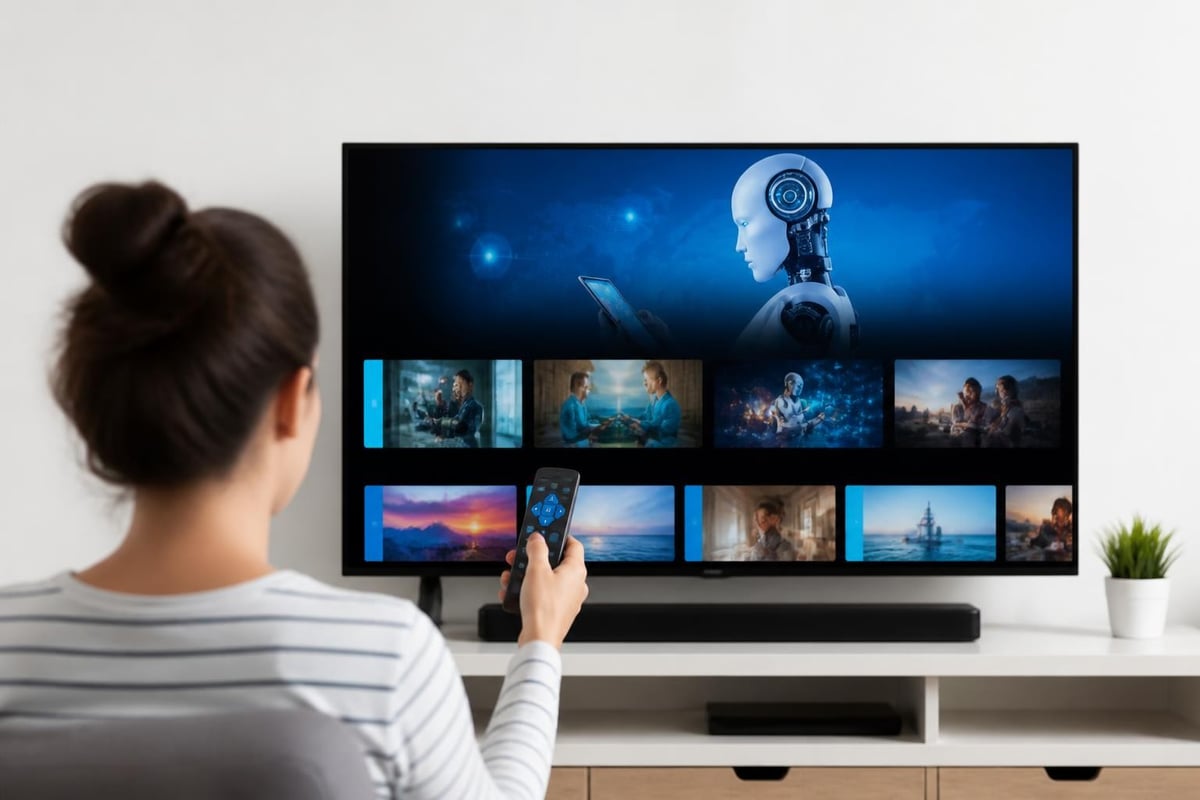
Artificial intelligence has become foundational to modern streaming platforms. AI-powered systems now handle content recommendation, automatic quality adjustment, and even predictive bandwidth allocation. These technologies ensure viewers receive optimal streaming experiences regardless of network conditions, while simultaneously helping platforms understand viewer preferences with remarkable accuracy.
The implementation of workflow automation extends beyond user experience. Behind the scenes, AI systems manage content distribution, server load balancing, and real-time error correction, delivering the smooth, buffer-free experiences that audiences now expect as standard.
Enhanced Resolution and Format Support
Technical specifications have advanced considerably, with many platforms now supporting 4K, HDR, and even 8K content streams. According to recent technology adoption data, major services are implementing Dolby Vision HDR and next-generation Dolby Atmos audio, creating cinema-quality experiences in home environments.
| Resolution | Bandwidth Required | Common Use Cases |
|---|---|---|
| 1080p HD | 5-8 Mbps | Standard live TV, most streaming |
| 4K UHD | 15-25 Mbps | Premium movies, sports events |
| 8K | 50+ Mbps | Select premium content, future-proofing |
Benefits of Live Streaming Services
The advantages of transitioning to live streaming services extend far beyond simple cost reduction, though financial benefits remain compelling for most households.
Flexibility and Convenience
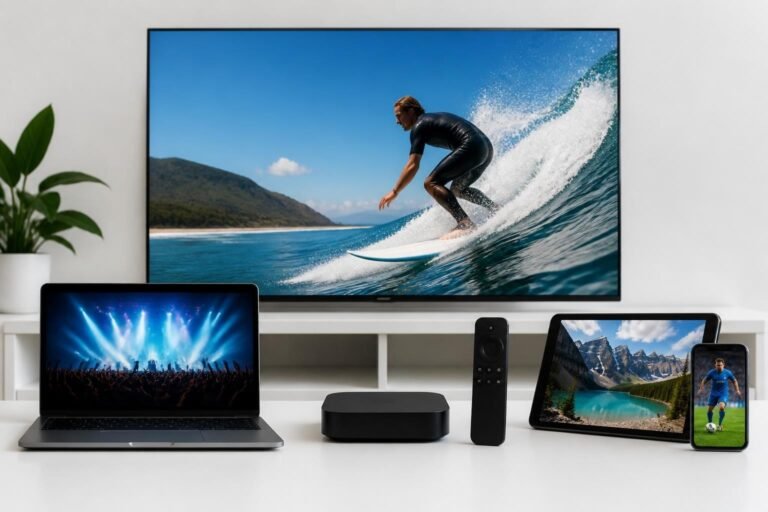
Modern viewers demand content accessibility across multiple devices and locations. Whether watching on smartphones during commutes, tablets in bed, or smart TVs in living rooms, streaming platforms deliver seamless experiences. This multi-device compatibility has become standard, with services supporting everything from Firestick devices to Android TVs and traditional computer browsers.
Content Variety and Global Access
Unlike traditional cable packages limited by geographic licensing, many live streaming services offer international programming and niche content categories that would be impossible through conventional broadcasting. Sports enthusiasts can access leagues from different continents, while entertainment fans enjoy movies and shows from diverse cultural markets.
Cost Management
The rising costs of traditional streaming subscriptions have led consumers to seek more economical alternatives. “Streamflation” affects households maintaining multiple subscriptions, with average costs approaching or exceeding traditional cable bills. Consolidated platforms offering comprehensive channel lineups provide significant savings compared to maintaining separate subscriptions for sports, entertainment, news, and movies.
Why People Choose Modern Streaming Platforms
Consumer preferences have evolved based on specific pain points with both traditional cable and fragmented streaming ecosystems.
Elimination of Content Discovery Frustration
Research indicates that streaming service users waste considerable time searching for content across multiple platforms. The average viewer spends 10-15 minutes per session simply deciding what to watch, navigating between different apps and interfaces. Comprehensive services that aggregate content reduce this friction significantly.
Reliability and Performance Standards
Anti-freeze technology, adaptive bitrate streaming, and redundant server infrastructure ensure consistent performance even during peak viewing periods. These technical features, once premium offerings, have become baseline expectations that separate quality services from subpar alternatives.
Transparent Pricing Models
Many consumers appreciate straightforward pricing without hidden fees, equipment rentals, or mandatory long-term contracts. One-time payment models and clear subscription terms provide budget certainty that traditional cable contracts often obscure.
Features to Look For in Live Streaming Services
Evaluating live streaming services requires examining multiple dimensions beyond simple channel counts.
Technical Capabilities
- Multi-device support: Simultaneous streaming on multiple devices
- DVR functionality: Cloud recording for time-shifted viewing
- Electronic Program Guide (EPG): Comprehensive scheduling information
- Parental controls: Content filtering and viewing restrictions
- Picture quality options: Adaptive streaming from SD to 4K
Content Library Depth
The distinction between breadth and depth matters significantly. Services offering 100,000+ live channels provide options across international markets, languages, and niche interests. Equally important, on-demand libraries with 250,000+ titles ensure viewers find content during any viewing session.
Platform Compatibility
| Device Category | Key Considerations |
|---|---|
| Smart TVs | Native app support, interface responsiveness |
| Streaming Devices | Firestick, Roku, Apple TV compatibility |
| Mobile Devices | iOS and Android optimization |
| Computers | Web player functionality, browser support |
Customer Support Infrastructure
Setup assistance, troubleshooting resources, and responsive customer service distinguish professional operations from amateur platforms. Clear documentation, video tutorials, and direct support channels ensure users can resolve issues quickly.
Common Problems and Solutions
Understanding typical challenges helps consumers make informed decisions and set realistic expectations.
Buffering and Quality Issues
Problem: Intermittent buffering or quality degradation during viewing.
Solutions: Ensure minimum bandwidth requirements (25+ Mbps recommended for 4K), use wired ethernet connections when possible, close background applications consuming bandwidth, and select services with adaptive streaming technology.
Device Compatibility Confusion
Problem: Uncertainty about whether services work with existing hardware.
Solution: Verify compatibility lists before subscribing, test services during trial periods if available, and check for dedicated apps on your specific device platforms. For specialized setups, services like Apollo Group TV Subscription offer comprehensive device support including Firestick, Android TV, Smart TVs, and mobile platforms.
Content Discovery Overload
Problem: Too many options creating decision paralysis.
Solution: Utilize robust search functions, create watchlists, leverage recommendation algorithms, and favor platforms with intuitive EPG systems that display programming across channels efficiently.
Geographic Restrictions
Problem: Desired content unavailable in specific regions.
Solution: Select services offering international content libraries and verify channel lineups include desired programming before committing to subscriptions.
Industry Trends Shaping 2026
The streaming landscape continues evolving rapidly, with several trends fundamentally altering the competitive environment.
Consolidation and Integration
Media industry analysis for 2026 reveals accelerating integration between live broadcasting and streaming ecosystems. Traditional broadcasters have pivoted to digital-first strategies, while pure streaming platforms expand live programming to compete with conventional television.
Precision Monetization Strategies
Advertising technology has advanced significantly, with live event ad capabilities enabling targeted, dynamic ad insertion during live broadcasts. For consumers, this means more free or lower-cost options supported by advertising, balanced against premium ad-free tiers.
Enhanced Audience Engagement
According to audience engagement research, demand for high-quality, real-time video experiences drives innovation in interactive features. Live polling, multi-angle viewing, and synchronized social features transform passive watching into active participation.
Market Statistics and Adoption Rates
Global live streaming statistics for 2026 paint a comprehensive picture of market maturity and consumer behavior.
Usage Patterns:
- 82% of internet users regularly watch live or on-demand streaming content
- Average viewing time exceeds 17 hours weekly across all platforms
- Mobile devices account for 45% of total streaming consumption
- Live sports remain the highest-engagement category
Market Size and Growth:
The global streaming market has surpassed $250 billion annually, with live streaming services representing the fastest-growing segment. Year-over-year growth continues at double-digit percentages despite market saturation in developed economies.
Platform Leadership:
While market leaders change periodically, comprehensive IPTV services offering diverse content libraries compete effectively against single-focus platforms by eliminating the need for multiple subscriptions.
Comparing Service Models
Different business models serve distinct consumer needs and preferences.
| Model Type | Characteristics | Best For |
|---|---|---|
| Subscription (Monthly) | Recurring payments, cancel anytime | Users wanting flexibility |
| One-Time Payment | Single upfront cost, extended access | Long-term commitment seekers |
| Hybrid (Tiered) | Multiple service levels, varied pricing | Those wanting customization |
| Ad-Supported | Free or reduced cost, commercial interruptions | Budget-conscious viewers |
Cost Comparison Analysis
Traditional cable averages $120-180 monthly in 2026, while individual streaming subscriptions range from $8-20 each. Households maintaining four separate services for comprehensive content access spend $50-80 monthly, still representing 40-50% savings over cable. However, consolidated platforms offering extensive channel lineups and content libraries in single subscriptions provide even greater value.
Technical Infrastructure Considerations
Understanding the technology powering live streaming services helps consumers optimize their setups and troubleshoot issues effectively.
Bandwidth Requirements
Different content types demand varying bandwidth allocations:
- Standard Definition: 3-4 Mbps per stream
- High Definition (720p): 5-8 Mbps per stream
- Full HD (1080p): 8-12 Mbps per stream
- 4K Ultra HD: 20-30 Mbps per stream
Households streaming on multiple devices simultaneously should multiply these requirements and add 20% overhead for optimal performance.
Protocol Evolution
Technical protocol advancements continue improving streaming efficiency. Modern platforms utilize HTTP-based protocols that adapt to network conditions dynamically, maintaining quality while minimizing buffering. These developments benefit consumers through more reliable experiences, particularly on mobile networks or in bandwidth-constrained environments.
Setting Up Your Streaming Environment
Successful streaming experiences begin with proper setup and configuration across devices and networks.
Network Optimization Steps:
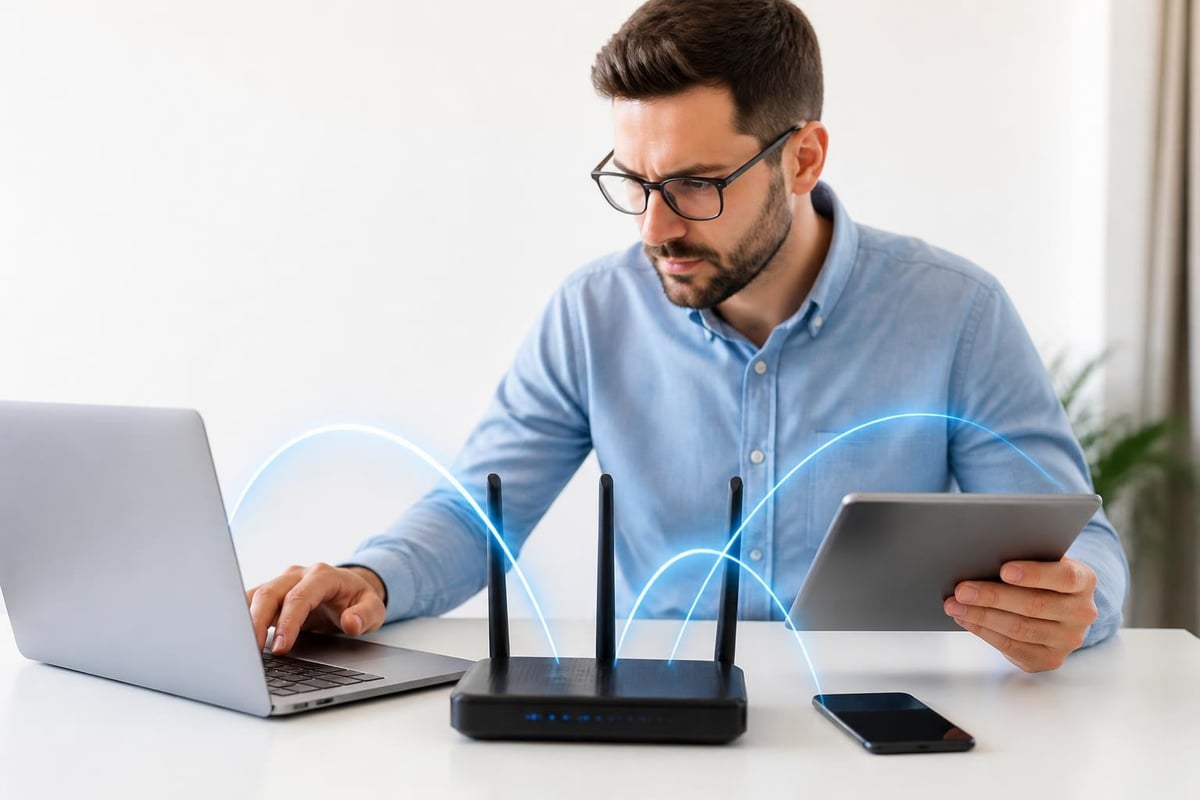
- Position routers centrally within homes for maximum coverage
- Utilize 5GHz WiFi bands for streaming devices when available
- Connect primary viewing devices via ethernet for maximum stability
- Configure Quality of Service (QoS) settings prioritizing streaming traffic
- Upgrade router firmware regularly for performance improvements
Device Configuration:
Different platforms require specific setup approaches. Smart TV installations typically involve downloading apps from device stores, while Firestick setups may require additional configuration steps. Comprehensive services provide detailed guides for each device category, minimizing technical barriers for non-expert users.
FAQ
What are live streaming services and how do they work?
Live streaming services deliver video content over the internet to compatible devices without traditional cable or satellite infrastructure. They use internet protocol technology to transmit live channels and on-demand content directly to viewers’ screens.
How much internet speed do I need for live streaming services?
Minimum requirements vary by quality: 5 Mbps for HD content, 25 Mbps for 4K, and higher for multiple simultaneous streams. Most households benefit from 50+ Mbps connections to support multiple users and devices comfortably.
Can I watch live streaming services on multiple devices simultaneously?
Most modern services support multi-device streaming, with specific limits varying by provider. Premium platforms often allow 3-5 simultaneous streams, accommodating typical household viewing patterns.
Are live streaming services legal and safe?
Legitimate services operating with proper licensing agreements are legal and safe. Consumers should verify providers maintain appropriate content rights and secure payment processing before subscribing.
What devices are compatible with live streaming services?
Most services support Smart TVs, streaming devices (Firestick, Roku, Apple TV), smartphones, tablets, and computers. Specific compatibility varies by platform, so verification before purchase is recommended.
Do live streaming services offer DVR functionality?
Many platforms include cloud DVR features allowing recording and time-shifted viewing. Storage limits and retention periods vary, with some services offering unlimited cloud storage while others impose restrictions.
How do live streaming services compare to traditional cable in cost?
Individual streaming subscriptions typically cost less than cable, but multiple subscriptions can approach cable pricing. Comprehensive IPTV platforms offering extensive channel lineups often provide the greatest cost savings.
What happens if my internet connection is interrupted?
Most services automatically pause during connectivity losses and resume when connection restores. Advanced platforms with anti-freeze technology minimize interruptions through buffering and adaptive streaming.
Can I access international content through live streaming services?
Many platforms offer international channels and programming from multiple countries, providing access to content unavailable through traditional regional cable packages.
Do live streaming services work with my existing TV?
Services work with Smart TVs through native apps or with standard TVs when paired with streaming devices like Firestick or Roku. No special television features are required when using external streaming devices.
How do I choose the right live streaming service for my needs?
Evaluate content libraries matching your interests, verify device compatibility, compare pricing models, check bandwidth requirements against your internet speed, and prioritize services offering trial periods for testing.
What is the difference between live streaming and on-demand content?
Live streaming delivers content in real-time as it broadcasts, while on-demand content is pre-recorded and available for viewing at any time. Comprehensive services typically offer both options within single platforms.
Live streaming services have revolutionized entertainment consumption, offering unprecedented flexibility, content variety, and cost savings compared to traditional broadcasting methods. As the industry continues evolving with AI integration, enhanced resolution support, and improved user experiences, selecting the right platform becomes crucial for maximizing value. Apollo Group TV addresses these needs by providing access to over 100,000 live channels and 250,000 movies and TV shows through a single comprehensive platform, eliminating the need for multiple subscriptions while delivering reliable, high-quality streaming across all your devices.