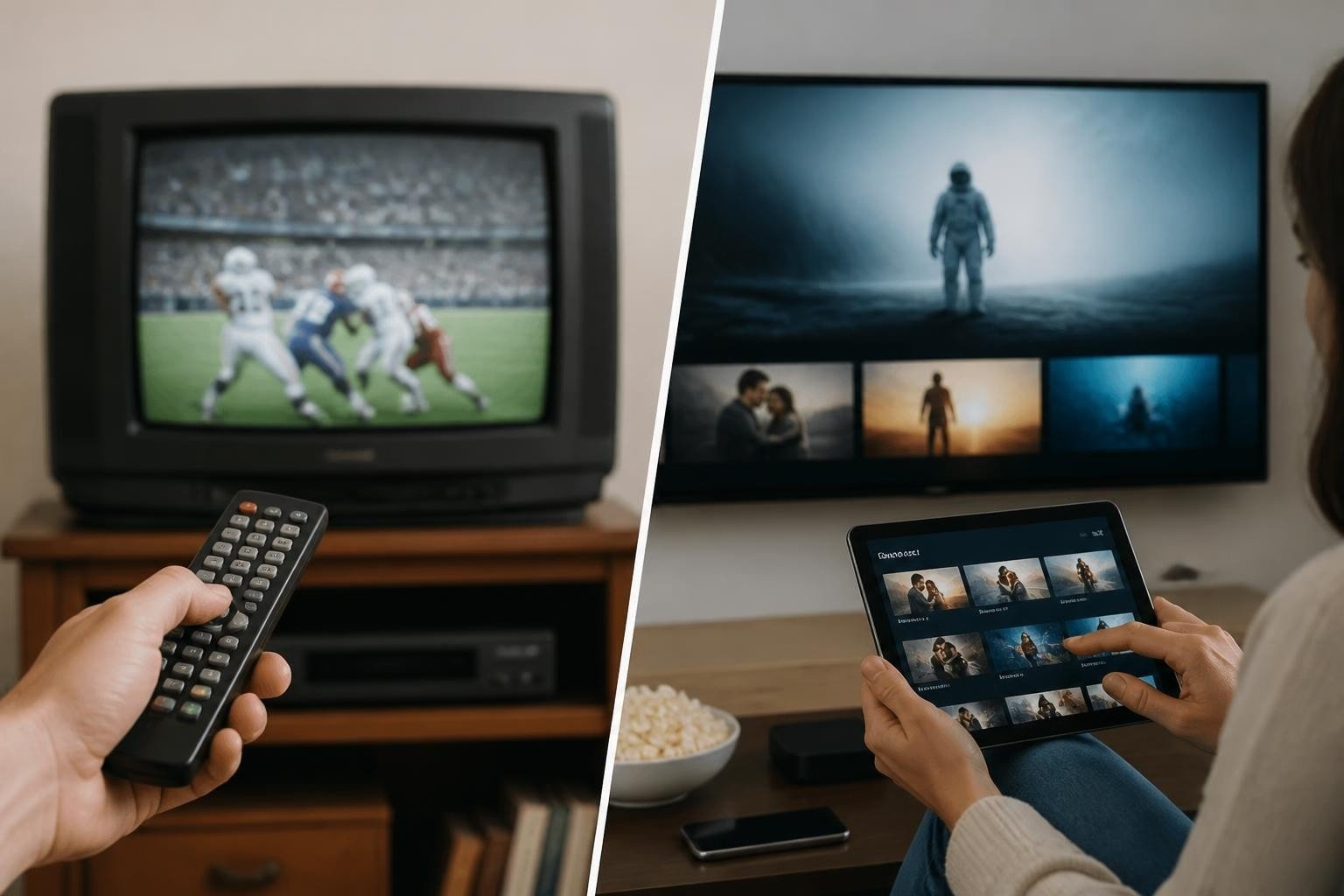
The television landscape has undergone a dramatic transformation over the past decade, with streaming technology fundamentally changing how audiences consume entertainment. The ability to stream TV stream content has evolved from a novel concept to an essential part of daily life for millions of households. As we navigate 2026, the streaming ecosystem continues to expand, offering unprecedented choice, flexibility, and control over viewing experiences. Understanding the intricacies of modern streaming services, their technological foundations, and how to maximize their potential has become crucial for consumers seeking to optimize their entertainment options while managing costs effectively.
Stream TV Stream?
Stream TV stream refers to the technology and service that enables viewers to watch television content delivered over the internet in real-time or on-demand, eliminating the need for traditional cable or satellite infrastructure. This method allows users to access live channels, movies, and TV shows across multiple devices simultaneously, providing flexible entertainment consumption through broadband internet connections rather than conventional broadcast methods.
Key Takeaways
- Modern streaming services deliver content through internet protocols, offering superior flexibility compared to traditional cable television
- Cost management strategies can reduce streaming expenses by 40-60% without sacrificing content variety
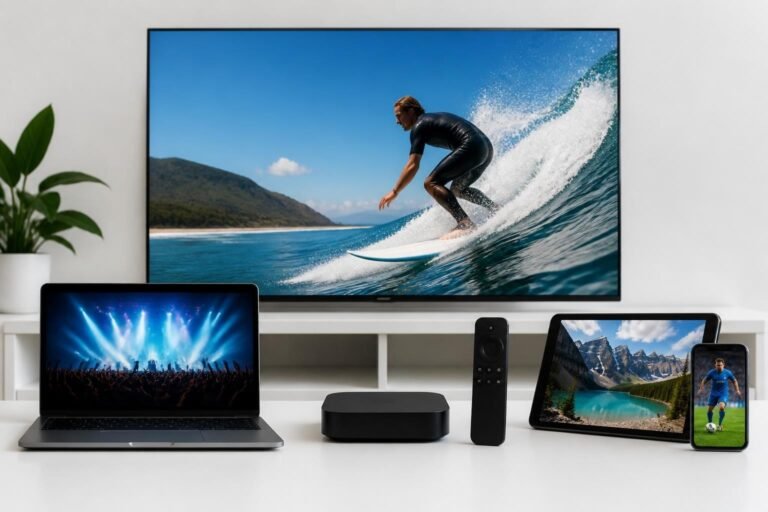
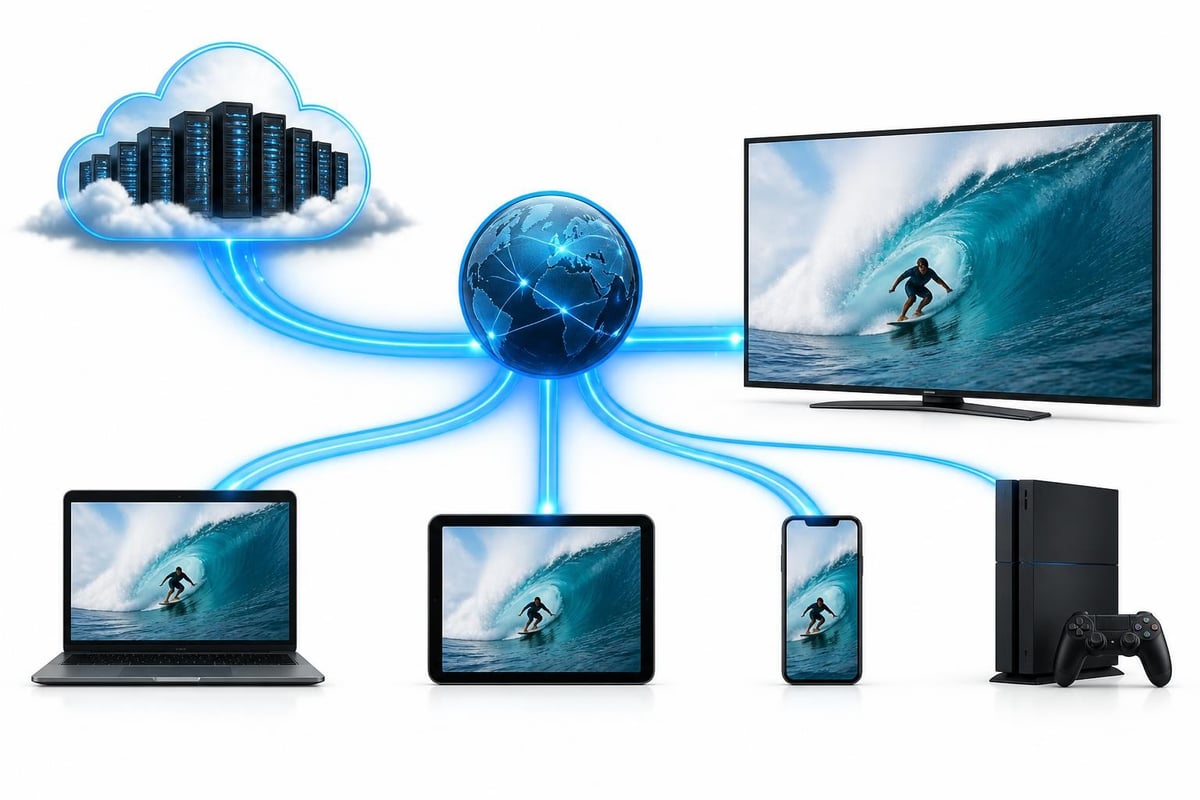
- Multi-device compatibility enables seamless viewing experiences across smartphones, tablets, smart TVs, and streaming devices
- Advanced features like anti-freeze technology and cloud DVR enhance user experience and reliability
- Consolidated streaming platforms provide comprehensive content libraries that replace multiple subscription services
Understanding Modern Streaming Technology
The foundation of how we stream TV stream content today relies on sophisticated internet protocols that deliver video data efficiently to end-user devices. Streaming TV has fundamentally changed from its early buffering-prone days to today’s seamless high-definition and 4K experiences.
How Streaming Differs from Traditional Broadcasting
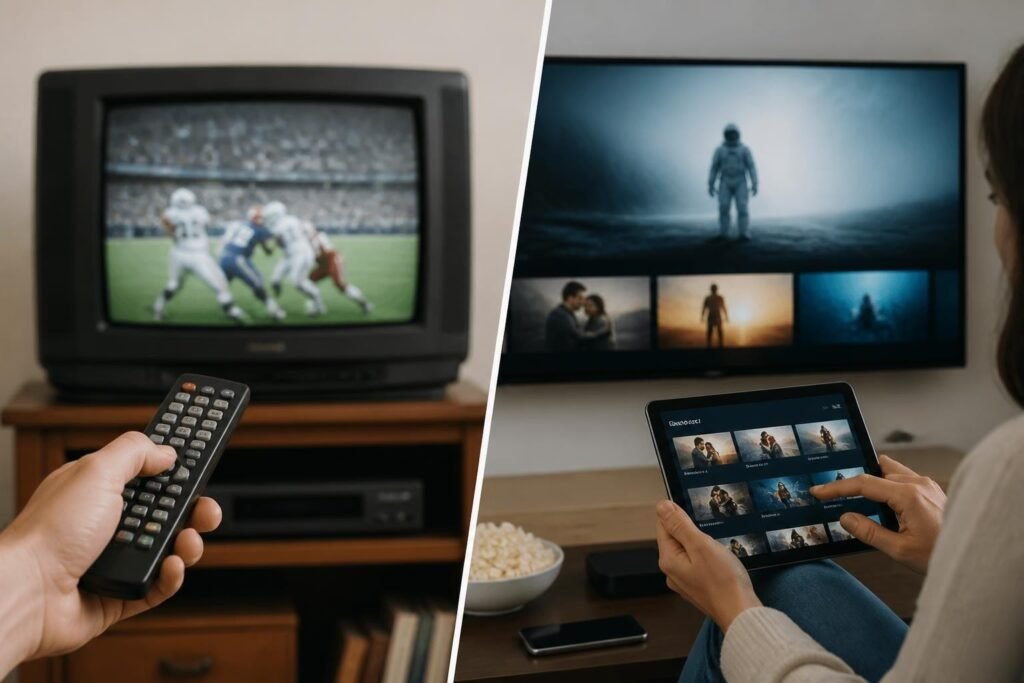
Traditional television relies on scheduled broadcasting through cable or satellite infrastructure. Viewers receive signals at predetermined times, limiting control over what to watch and when. Streaming technology inverts this model entirely.
Key differences include:
- On-demand access to content libraries containing thousands of titles
- Time-shifted viewing that eliminates scheduling constraints
- Multi-device compatibility allowing viewing on any internet-connected screen
- Personalized recommendations driven by viewing history and preferences
- Interactive features including pause, rewind, and resume across devices
The infrastructure supporting stream TV stream services consists of content delivery networks (CDNs) that cache popular content geographically closer to users, reducing latency and improving streaming quality. These networks employ adaptive bitrate streaming, automatically adjusting video quality based on available bandwidth to prevent buffering interruptions.
Bandwidth Requirements and Quality Standards
Streaming quality depends heavily on internet connection speeds. Modern services automatically adjust streaming quality, but understanding minimum requirements helps ensure optimal experiences.
| Quality Level | Resolution | Minimum Speed | Recommended Speed | Data Usage per Hour |
|---|---|---|---|---|
| Standard Definition | 480p | 3 Mbps | 5 Mbps | 1 GB |
| High Definition | 720p | 5 Mbps | 8 Mbps | 2 GB |
| Full HD | 1080p | 10 Mbps | 15 Mbps | 3 GB |
| 4K Ultra HD | 2160p | 25 Mbps | 35 Mbps | 7 GB |
| 4K HDR | 2160p HDR | 30 Mbps | 50 Mbps | 8-10 GB |
Most households streaming on multiple devices simultaneously should maintain internet speeds of at least 50 Mbps for consistent quality. Fiber optic connections provide the most reliable performance, though modern cable internet services typically deliver adequate speeds for most streaming needs.
Benefits of Stream TV Stream Services
The advantages of streaming over traditional television extend far beyond simple convenience. These benefits have driven massive adoption rates and fundamentally reshaped the entertainment industry.
Cost Efficiency and Value Proposition
Cable television bills have risen consistently, with average monthly costs exceeding $120 in 2026. Streaming services offer compelling alternatives with significantly lower entry points.
Financial advantages include:
- Elimination of equipment rental fees for set-top boxes
- No installation costs or service technician visits
- Flexible subscription models with monthly or annual options
- Ability to pause subscriptions during non-use periods
- One-time payment models that eliminate recurring charges
The rising costs of traditional streaming subscriptions have created what industry experts call “streamflation,” making consolidated services increasingly attractive. Comprehensive platforms that aggregate content from multiple sources provide exceptional value by replacing numerous individual subscriptions.
Content Variety and Accessibility
Modern streaming platforms provide access to content libraries that dwarf traditional cable offerings. The ability to stream TV stream services from providers worldwide has democratized entertainment access.
Premium IPTV services offer extensive content libraries exceeding 100,000 live channels alongside on-demand libraries containing hundreds of thousands of movies and TV shows. This variety spans international content, niche programming, sports from global leagues, and specialty channels unavailable through conventional providers.
Features to Look For When You Stream TV Stream
Selecting the optimal streaming service requires evaluating multiple technical and content-related factors. Understanding these features helps consumers make informed decisions aligned with their viewing preferences and household needs.
Essential Technical Capabilities
Advanced streaming platforms incorporate technologies that enhance reliability and user experience beyond basic video delivery.
Critical technical features:
- Anti-freeze technology that maintains stream stability during network fluctuations
- Adaptive streaming that automatically adjusts quality based on bandwidth
- Electronic Program Guide (EPG) for easy channel navigation and scheduling
- Cloud DVR functionality enabling content recording and time-shifting
- Simultaneous device streaming supporting multiple household viewers
- 4K and HDR support for premium visual experiences
Multi-device compatibility represents a fundamental requirement. Services should support smart TVs, streaming devices like Firestick, smartphones, tablets, and computers without restrictions or additional fees.
Content Library Depth
The breadth and quality of available content ultimately determine service value. Comprehensive evaluation should consider both live programming and on-demand options.
| Content Category | Premium Service | Basic Service | Traditional Cable |
|---|---|---|---|
| Live TV Channels | 100,000+ | 50-200 | 200-500 |
| Movies & Shows | 250,000+ | 5,000-15,000 | Pay-per-view only |
| International Content | Extensive | Limited | Minimal |
| Sports Programming | Global leagues | Major US sports | Regional/national |
| Premium Channels | Included | À la carte | Premium tier add-ons |
Content freshness matters equally. Services should regularly update libraries with new releases, current season episodes, and trending programming to maintain value over time.
Common Problems and Solutions
Despite technological advances, users occasionally encounter challenges when attempting to stream TV stream content. Understanding common issues and their resolutions ensures uninterrupted viewing experiences.
Buffering and Playback Issues
Buffering remains the most frequently reported streaming problem. Multiple factors contribute to playback interruptions.
Primary causes and solutions:
- Insufficient bandwidth: Test internet speeds and upgrade service tier if consistently below recommended levels
- Network congestion: Schedule large downloads during off-peak hours and prioritize streaming traffic through router QoS settings
- Device limitations: Close background applications consuming processing power and memory
- Distance from router: Position streaming devices closer to wireless access points or use ethernet connections
- Outdated software: Regularly update streaming apps and device firmware to current versions
Advanced troubleshooting includes clearing app caches, restarting devices, and verifying DNS settings. Some users benefit from switching DNS servers to public options like Google (8.8.8.8) or Cloudflare (1.1.1.1) for improved routing efficiency.
Compatibility and Setup Challenges
Device compatibility issues occasionally prevent successful service deployment. However, most modern streaming platforms support extensive device ecosystems.
For users seeking to optimize their streaming setup, professional Apollo Group TV Subscription services provide comprehensive support across all major platforms, ensuring proper configuration and optimal performance from initial installation.
Setup procedures vary by device type. Smart TV installations typically involve downloading apps from manufacturer app stores. Streaming stick configurations require sideloading apps through alternative methods. Detailed guides specific to each device type streamline installation processes and minimize technical difficulties.
Why People Choose Stream TV Stream Over Cable
The migration from traditional cable to streaming services continues accelerating in 2026. Multiple converging factors drive this transition beyond simple cost considerations.
Flexibility and Control
Modern viewers demand control over their entertainment experiences. Streaming services deliver unprecedented flexibility that cable television cannot match.
Flexibility advantages include:
- Watch anywhere capability across devices while traveling or commuting
- Pause and resume functionality that remembers progress across devices
- No contracts allowing service changes without penalties
- Personalized profiles for individual household members with separate watch histories
- Content discovery through sophisticated recommendation algorithms
The ability to customize channel lineups and content packages represents a fundamental advantage. Rather than paying for bundled channels that go unwatched, streaming allows precise selection of desired content categories.
Technological Innovation
Traditional cable providers like Comcast have attempted to adapt by launching their own streaming initiatives, but purpose-built streaming platforms maintain technological advantages through continuous innovation and agile development cycles.
Streaming services deploy updates and new features rapidly, responding to user feedback and emerging technologies. This innovation cycle includes:
- Integration with smart home ecosystems and voice assistants
- Enhanced parental controls with granular content restrictions
- Picture-in-picture functionality for simultaneous content viewing
- Social viewing features enabling synchronized watching with remote friends
- Offline downloads for viewing without internet connectivity
Comparing Major Streaming Platforms
The streaming marketplace offers diverse options ranging from affordable basic services to comprehensive premium platforms. Understanding these differences helps consumers identify optimal solutions for their specific needs.
Budget-Friendly Options
Several established streaming services target price-conscious consumers seeking live television without premium costs. Sling TV provides customizable packages starting around $40 monthly, while Philo offers entertainment-focused channels at approximately $28 monthly.
These services deliver value through focused content selection, though they typically include limited simultaneous streams and smaller channel counts. They serve viewers primarily interested in specific content categories like entertainment or news rather than comprehensive programming.
Premium Full-Service Platforms
DirecTV Stream represents the high-end streaming option with extensive channel lineups exceeding 160 channels in premium tiers, but monthly costs approach or exceed traditional cable pricing at $100-$160.
Comprehensive IPTV platforms offer superior value propositions by combining massive content libraries with advanced features at significantly lower price points. These services provide:
- Live channels numbering in tens of thousands
- Extensive international programming spanning global regions
- Complete sports coverage including international leagues
- Premium movies and TV series libraries
- One-time payment structures eliminating recurring monthly fees
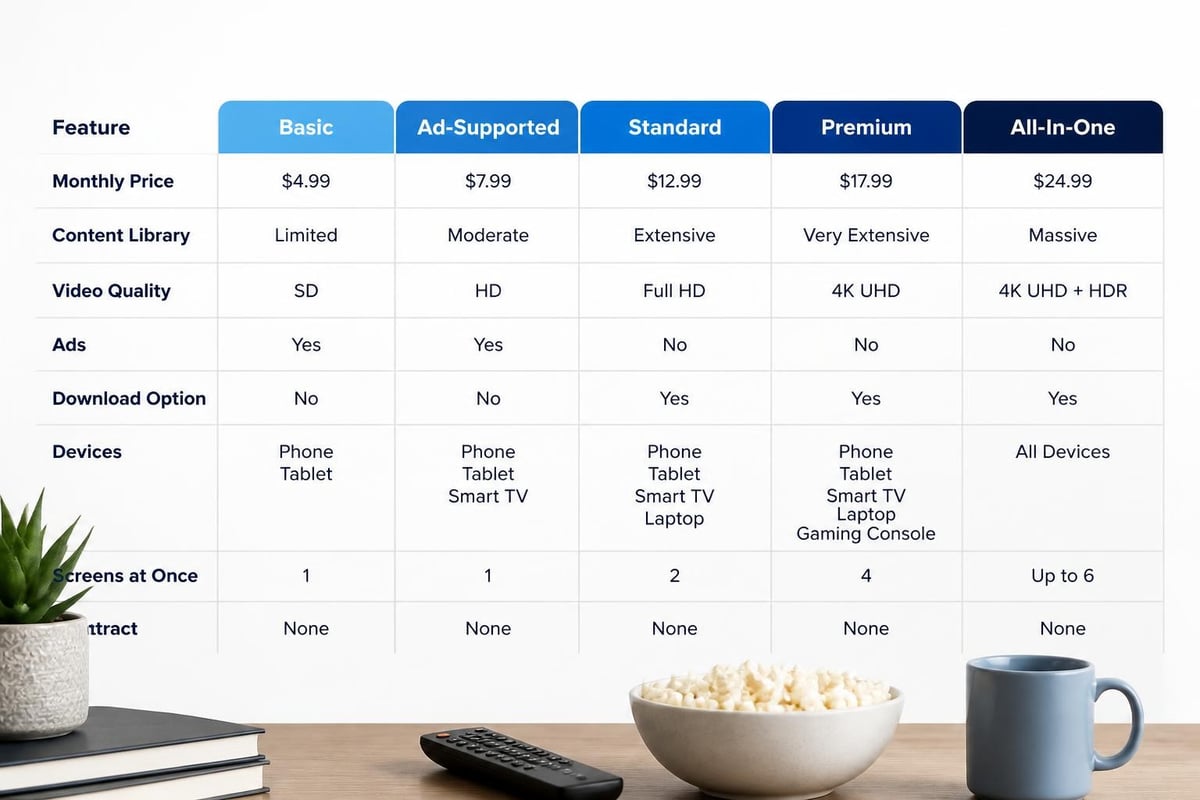
| Service Type | Monthly Cost | Live Channels | On-Demand Library | Simultaneous Streams | Contract Required |
|---|---|---|---|---|---|
| Budget Streaming | $25-$45 | 30-80 | Limited | 1-3 | No |
| Premium Streaming | $80-$160 | 100-180 | Moderate | 3-20 | Sometimes |
| Comprehensive IPTV | One-time payment | 100,000+ | 250,000+ | Multiple devices | No |
| Traditional Cable | $120-$200 | 200-500 | Pay-per-view | Unlimited | Yes (1-2 years) |
Maximizing Your Stream TV Stream Experience
Optimizing streaming setups ensures viewers extract maximum value from their services while maintaining excellent performance and user experiences.
Network Optimization Strategies
Home network configuration significantly impacts streaming quality. Simple optimizations deliver substantial improvements without requiring technical expertise.
Network enhancement steps:
- Position routers centrally to maximize coverage throughout living spaces
- Use 5GHz WiFi bands for streaming devices when available, reserving 2.4GHz for smart home devices
- Implement Quality of Service (QoS) settings prioritizing streaming traffic over downloads
- Deploy mesh networking systems in larger homes to eliminate dead zones
- Hardwire primary streaming devices using ethernet connections when feasible
Regular router restarts clear accumulated connection tables and refresh DHCP leases, resolving many intermittent issues. Monthly firmware updates ensure routers maintain optimal performance and security.
Device Selection and Configuration
Choosing appropriate streaming hardware impacts user experience significantly. Different device categories serve distinct use cases and preferences.
Smart TV Integration: Modern televisions include built-in streaming apps, offering convenience for primary viewing locations. However, these apps sometimes lag behind dedicated streaming device versions in features and updates.
Dedicated Streaming Devices: Products like Amazon Firestick, Roku, Apple TV, and Android TV boxes provide superior performance, regular updates, and broader app compatibility. These devices excel for serious streaming enthusiasts who demand cutting-edge features.
Mobile Devices: Smartphones and tablets enable portable viewing and serve as excellent secondary screens. They prove particularly valuable for personal content consumption without occupying household televisions.
Advanced Features Transforming Streaming
Innovation continues driving streaming platform evolution. Several emerging technologies and features enhance stream TV stream experiences beyond traditional capabilities.
Artificial Intelligence and Personalization
Machine learning algorithms analyze viewing patterns to deliver increasingly accurate content recommendations. These systems consider:
- Watch history across all household profiles
- Time-of-day viewing preferences
- Content completion rates indicating engagement levels
- Genre preferences and viewing diversity
- Social trends and popular content among similar users
Advanced platforms employ natural language processing for voice-controlled interfaces, enabling conversational search and navigation. Users request specific content types, actors, or themes through simple voice commands rather than manual browsing.
Cloud DVR and Time-Shifting
Cloud-based recording systems eliminate hardware storage limitations while providing enhanced functionality compared to traditional DVRs.
Cloud DVR advantages:
- Unlimited or very high storage capacity (hundreds of hours)
- Access recordings from any device, anywhere
- Automatic ad-skipping on recorded content
- No maintenance or hardware failures
- Simultaneous recording of multiple programs
Time-shifting extends beyond simple recording, allowing viewers to pause live television, resume on different devices, and automatically skip commercials through smart recognition algorithms.
Niche Streaming Services and Specialized Content
The streaming ecosystem includes specialized services targeting specific audience interests. Field & Stream TV exemplifies this trend, focusing exclusively on outdoor and sporting content for enthusiast audiences.
International and Regional Programming
Global content access represents a significant streaming advantage over geographically restricted cable services. Comprehensive platforms provide:
- Live channels from Europe, Asia, Middle East, Africa, and Americas
- Sports coverage of international leagues unavailable through domestic services
- News programming from global broadcasters offering diverse perspectives
- Entertainment content in multiple languages with subtitle options
- Cultural programming celebrating diverse communities and traditions
This international reach particularly benefits immigrant communities maintaining connections to home countries and multicultural households seeking diverse content options.
Sports and Live Event Coverage
Sports streaming has evolved from supplementary services to comprehensive solutions rivaling traditional sports packages. Modern platforms deliver:
- All major US sports leagues (NFL, NBA, MLB, NHL, MLS)
- International soccer leagues and competitions
- Combat sports including boxing, UFC, and international promotions
- College sports across all divisions and conferences
- Niche sports like cricket, rugby, tennis, and motorsports
Pay-per-view events integrate directly into platforms without additional service requirements or separate purchases, streamlining access to premium sporting events.
Managing Multiple Streaming Services
Many households subscribe to multiple streaming services, creating management challenges and escalating costs. Strategic approaches help control expenses while maintaining content access.
Subscription Rotation Strategies
Rather than maintaining simultaneous subscriptions, rotating services quarterly or seasonally provides access to desired content while reducing overall expenses.
Effective rotation approach:
- Subscribe to one or two services monthly based on current content priorities
- Watch desired shows and movies during active subscription periods
- Cancel before renewal and switch to different services next month
- Return to previous services when new seasons of favorite shows release
This strategy works particularly well for services releasing content in batches rather than weekly episodes. Viewers subscribe when full seasons become available, watch desired content, then cancel until next season.
Consolidated Platform Benefits
Alternatively, comprehensive IPTV platforms consolidate content from multiple sources into unified interfaces. This approach eliminates subscription juggling while providing broader content access than multiple individual services combined.
Consolidated platforms offer single-interface access to diverse content categories without navigating multiple apps or managing separate subscriptions. One-time payment models further enhance value by eliminating recurring monthly charges that accumulate across multiple services.
Frequently Asked Questions
What does stream TV stream mean?
Stream TV stream refers to the process of watching television content delivered through internet connections rather than traditional cable or satellite broadcasts. This technology enables viewers to access live channels and on-demand content across multiple devices simultaneously, providing flexible entertainment options that adapt to modern viewing preferences and lifestyles.
How much internet speed do I need to stream TV stream content?
Minimum internet speeds vary by desired quality level. Standard definition requires at least 3 Mbps, high definition needs 5-10 Mbps, and 4K streaming demands 25-50 Mbps. Households with multiple simultaneous streams should maintain speeds of 50-100 Mbps or higher to prevent buffering and quality degradation during peak usage periods.
Can I stream TV stream services on multiple devices simultaneously?
Most modern streaming services support multiple simultaneous streams, though exact numbers vary by platform and subscription tier. Premium IPTV services typically allow streaming across numerous devices concurrently without restrictions, while budget streaming options may limit simultaneous streams to one to three devices depending on plan selection.
What devices are compatible with stream TV stream services?
Stream TV stream services work across diverse device ecosystems including smart TVs from Samsung, LG, Sony, and other manufacturers, streaming devices like Amazon Firestick, Roku, Apple TV, Android TV boxes, smartphones running iOS and Android, tablets, computers, and gaming consoles. Most services provide apps or browser-based access for comprehensive device compatibility.
How do streaming services compare to traditional cable costs?
Traditional cable averages $120-$200 monthly with equipment rental fees and installation costs. Individual streaming services range from $25-$80 monthly, while comprehensive IPTV platforms offer one-time payment options that eliminate recurring charges entirely. Most households save 40-60% by switching from cable to streaming alternatives.
What is anti-freeze technology in streaming services?
Anti-freeze technology employs advanced buffering and adaptive streaming algorithms that maintain stream stability during network fluctuations. This feature pre-loads content segments, dynamically adjusts quality based on available bandwidth, and implements error correction protocols that prevent playback interruptions even during temporary connection issues or network congestion.
Do I need special equipment to stream TV stream content?
Basic streaming requires only an internet-connected device and stable broadband connection. Smart TVs include built-in streaming capabilities, while older televisions need external streaming devices like Firestick or Roku. No special cable boxes, satellite dishes, or professional installations are necessary, significantly reducing equipment costs and setup complexity.
Can I watch local channels through streaming services?
Many streaming platforms include local network affiliates (ABC, NBC, CBS, Fox) in major markets, though availability varies by geographic location. Comprehensive IPTV services typically provide extensive local channel coverage across multiple regions, while budget streaming options may offer limited or no local channel access depending on subscription tier.
How does cloud DVR work with streaming services?
Cloud DVR stores recorded content on remote servers rather than local devices, enabling access from any internet-connected device anywhere. Users schedule recordings through service interfaces, and content becomes available in personal libraries for later viewing. Storage capacity ranges from limited hours on budget services to unlimited recording on premium platforms.
Are streaming services legal and safe?
Legitimate streaming services operate with proper licensing agreements and content distribution rights. Established providers maintain legal compliance and secure platforms. However, consumers should verify service legitimacy, avoid suspiciously cheap offers from unknown providers, and research company reputations before subscribing to ensure legal access and data security.
What happens if my internet connection drops while streaming?
Modern streaming platforms implement resume functionality that remembers playback position when connections drop. Upon reconnection, viewers can resume content from where interruption occurred. Advanced services with anti-freeze technology may continue playback briefly during temporary disconnections by utilizing pre-buffered content segments stored locally on devices.
Can I cancel streaming services anytime?
Most streaming services offer month-to-month subscriptions without long-term contracts, allowing cancellation anytime without penalties. Some platforms provide annual subscription discounts requiring full-year commitments, while others offer one-time payment models that eliminate recurring charges entirely. Always review cancellation policies before subscribing to understand specific terms and notice requirements.
The evolution toward streaming represents more than technological advancement – it fundamentally transforms how households access and enjoy entertainment while providing unprecedented control and value. Understanding the technologies, features, and strategies that optimize stream TV stream experiences empowers consumers to make informed decisions aligned with their viewing preferences and budgets. Apollo Group TV delivers comprehensive IPTV solutions combining extensive content libraries with advanced features, eliminating the need for multiple subscriptions while providing superior entertainment value through innovative technology and user-focused design.