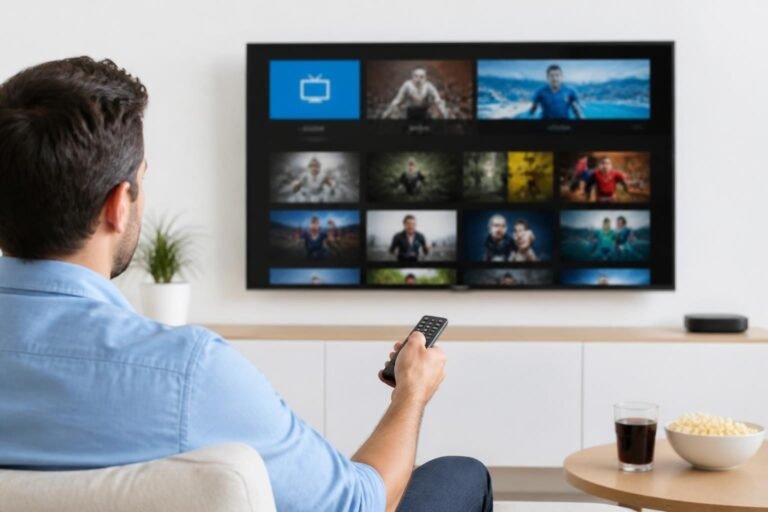

The television landscape has transformed dramatically over the past decade, with traditional cable subscriptions steadily declining as viewers seek more flexible, affordable alternatives. Paid IPTV has emerged as a compelling solution for consumers who want extensive content libraries, live channel access, and multi-device compatibility without the constraints of conventional broadcasting methods. Understanding the nuances of legitimate IPTV services helps consumers make informed decisions about their entertainment options while avoiding potential legal pitfalls associated with unauthorized providers.
What is Paid IPTV?
Paid IPTV refers to legitimate Internet Protocol Television services that deliver television programming, movies, and on-demand content through internet connections rather than traditional satellite, cable, or terrestrial broadcasting methods. Subscribers pay recurring or one-time fees to access licensed content libraries that typically include live channels, video-on-demand content, and sometimes additional features like cloud DVR functionality and multi-screen viewing capabilities.
Key Takeaways
- Legitimate paid IPTV services operate with proper content licensing and offer legal alternatives to traditional cable subscriptions
- Pricing models vary significantly between providers, ranging from monthly subscriptions to one-time payment options
- Content libraries differ substantially across services, with some offering 100,000+ channels while others focus on specific niches
- Device compatibility is a critical consideration, as not all services support every streaming platform
- Legal IPTV providers maintain transparent business practices including clear terms of service, customer support, and verifiable licensing agreements
- Technical features like anti-freeze technology, EPG guides, and catch-up TV enhance the viewing experience
- Understanding the legal framework surrounding IPTV helps consumers avoid unauthorized services that pose security and legal risks
How Paid IPTV Services Work
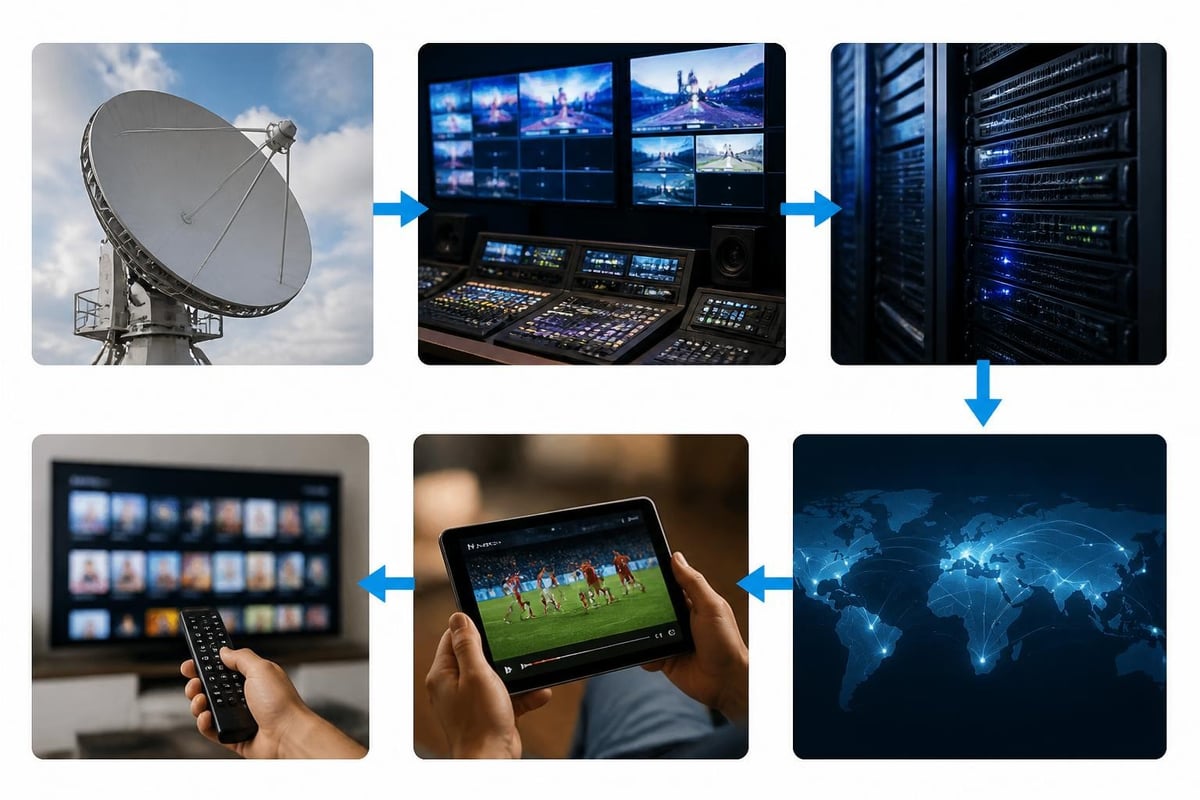
Paid IPTV services function by converting television signals into digital data packets transmitted over internet connections. When users request content, servers deliver streaming data directly to their devices through dedicated applications or web interfaces.
The Technical Infrastructure
The backbone of any reliable paid IPTV system consists of multiple components working in coordination:
- Content delivery networks (CDNs) distribute streaming data across geographic regions to minimize latency
- Encoding servers compress video files into formats optimized for various internet speeds
- Middleware platforms manage user authentication, content catalogs, and billing systems
- Electronic program guides (EPGs) provide schedule information and content metadata
These technical elements determine service quality, reliability, and overall user experience. Research on IPTV ecosystems demonstrates how these components interact to create seamless streaming experiences.
Content Delivery Methods
Paid IPTV providers employ three primary content delivery approaches:
- Live streaming transmits real-time broadcasts identical to traditional television
- Video-on-demand (VOD) allows users to select content from libraries for immediate playback
- Time-shifted media enables viewers to watch previously aired programs through catch-up features
Legal Considerations for Paid IPTV
Understanding the legal landscape is paramount when selecting a paid IPTV provider. The distinction between legitimate and unauthorized services affects consumer liability, content quality, and long-term service reliability.
Licensed vs. Unlicensed Providers
Legal paid IPTV services obtain broadcasting rights through formal agreements with content owners, distributors, and licensing bodies. The legality of IPTV in the USA depends heavily on whether providers have secured appropriate permissions for the content they distribute.
| Legal IPTV Services | Unauthorized IPTV Services |
|---|---|
| Possess content licensing agreements | Operate without proper permissions |
| Provide transparent business information | Often hide ownership details |
| Offer customer support and guarantees | Frequently disappear without notice |
| Comply with copyright laws | Violate intellectual property rights |
| Accept standard payment methods | May use cryptocurrency or untraceable payments |
| Display clear terms of service | Lack formal legal documentation |
Consumer Risks with Unauthorized Services
Users of unlicensed paid IPTV services face multiple potential consequences beyond legal liability. Studies on illegal streaming ecosystems reveal that unauthorized platforms frequently engage in user tracking, deliver malware through deceptive advertisements, and compromise personal data security.
The financial risks extend beyond potential legal penalties. Unauthorized services often cease operations abruptly, leaving subscribers without recourse for refunds or compensation.
Benefits of Paid IPTV
Legitimate paid IPTV services offer numerous advantages over traditional cable subscriptions and free streaming alternatives.
Cost Efficiency
Monthly cable bills often exceed $100-200 for comprehensive channel packages, while paid IPTV services typically range from $10-50 monthly depending on features and content libraries. Some providers offer one-time payment models that eliminate recurring subscription fees entirely.
Financial advantages include:
- Elimination of equipment rental fees for cable boxes
- No long-term contracts or early termination penalties
- Bundled access to thousands of channels at flat rates
- Reduced need for multiple streaming subscriptions
Content Variety and Accessibility
Premium paid IPTV platforms provide access to international programming unavailable through regional cable providers. Libraries may include:
- Sports channels from multiple countries and leagues
- International news networks in various languages
- Niche entertainment channels covering specialized interests
- On-demand movie libraries with tens of thousands of titles
- Complete TV series collections with multiple seasons
Device Flexibility
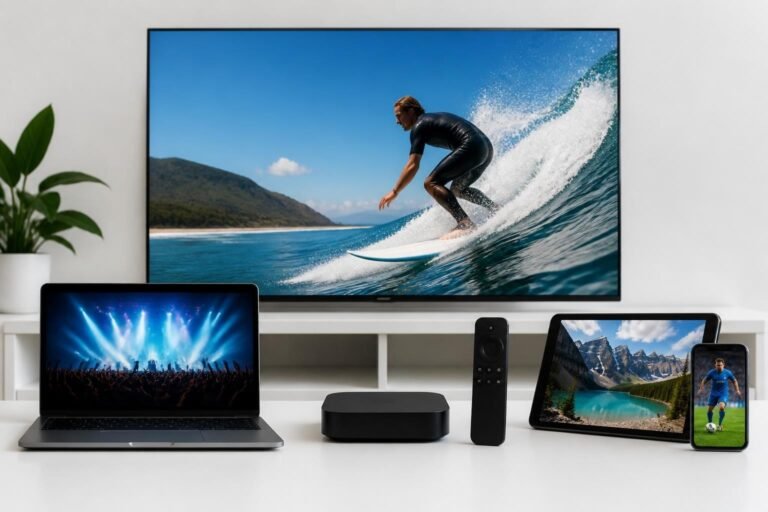
Modern paid IPTV services support simultaneous streaming across multiple devices, enabling household members to watch different content concurrently. Compatible platforms typically include smartphones, tablets, smart TVs, streaming boxes, and computers.
Features to Look For in Paid IPTV Services
Selecting the right paid IPTV provider requires careful evaluation of technical capabilities, content offerings, and service reliability.
Essential Technical Features
Quality paid IPTV services incorporate several critical technical elements:
- Anti-freeze technology prevents buffering interruptions during peak usage times
- Adaptive bitrate streaming adjusts video quality based on connection speeds
- Electronic program guides display comprehensive schedule information
- Multi-room streaming allows simultaneous viewing on several devices
- Cloud DVR functionality enables recording and playback of live content
- Parental controls restrict access to age-inappropriate content

Content Library Assessment
The value proposition of any paid IPTV service depends heavily on its content catalog. Prospective subscribers should verify:
- Total number of live channels across categories (sports, news, entertainment, movies)
- Geographic diversity of programming (domestic and international options)
- Video-on-demand library size and update frequency
- Availability of premium sports packages and pay-per-view events
- Inclusion of local channels and regional programming
Customer Support and Reliability
Professional paid IPTV providers maintain robust customer support infrastructure to address technical issues, billing questions, and setup assistance. Service reliability indicators include uptime guarantees, server redundancy, and transparent communication during maintenance periods.
Why People Choose Paid IPTV
Consumer migration toward paid IPTV services accelerates annually as viewers recognize the limitations of traditional broadcasting methods and seek greater control over their entertainment experiences.
Freedom from Cable Contracts
Traditional cable providers often require 12-24 month commitments with significant early termination fees. Paid IPTV services typically operate on month-to-month terms or offer flexible payment options without contractual obligations.
Personalized Viewing Experiences
Unlike fixed cable packages that include numerous unwanted channels, paid IPTV platforms allow users to access precisely the content they value. Advanced search functions, personalized recommendations, and customizable channel lists enhance content discovery.
Geographic Independence
Travelers and expatriates particularly benefit from paid IPTV services that provide access to home-country programming regardless of physical location. As long as reliable internet connectivity exists, subscribers can maintain their viewing preferences worldwide.
The Apollo Group TV Subscription exemplifies this flexibility by offering multi-device compatibility across Firesticks, Android TV, Smart TVs, smartphones, and tablets, ensuring seamless access to over 100,000 live channels and 250,000 movies regardless of location or preferred viewing device.
Common Problems and Solutions
Even legitimate paid IPTV services occasionally encounter technical challenges. Understanding common issues and their resolutions helps subscribers maximize service value.
Buffering and Playback Issues
Problem: Video freezes, stutters, or fails to load properly
Solutions:
- Verify internet speed meets minimum requirements (typically 10-25 Mbps for HD streaming)
- Connect devices via ethernet rather than Wi-Fi when possible
- Close background applications consuming bandwidth
- Restart streaming devices and routers
- Contact provider support to check server status
Application Compatibility Challenges
Problem: Service fails to install or function on specific devices
Solutions:
- Confirm device appears on provider’s official compatibility list
- Update device firmware and operating system to latest versions
- Clear application cache and reinstall from authorized sources
- Review provider setup guides for device-specific instructions
Content Loading Errors
Problem: Specific channels or VOD content won’t play despite functioning service
Solutions:
- Refresh EPG data within application settings
- Verify subscription includes access to requested content
- Report persistent issues to customer support with specific channel information
- Check for service announcements regarding temporary content unavailability
Pricing Models for Paid IPTV
Understanding different pricing structures helps consumers identify the most economical options for their viewing habits and budget constraints.
| Pricing Model | Typical Cost | Best For | Considerations |
|---|---|---|---|
| Monthly Subscription | $15-$40/month | Casual viewers testing services | Flexibility to cancel anytime |
| Quarterly Plans | $35-$100/quarter | Regular users wanting slight discounts | Modest savings over monthly |
| Annual Subscriptions | $100-$300/year | Committed users maximizing savings | Upfront payment requirement |
| One-Time Payment | $200-$500 lifetime | Long-term users avoiding recurring fees | Service continuity depends on provider longevity |
| Pay-Per-View | Variable per event | Occasional viewers of specific content | No base subscription needed |
Evaluating True Value
The lowest price doesn’t necessarily represent the best value. Comprehensive evaluation should consider:
- Total channel count and content library size
- Number of simultaneous streams permitted
- Video quality options (SD, HD, 4K availability)
- Included features (DVR, catch-up TV, EPG)
- Customer support quality and availability
- Service uptime and reliability track record
Security and Privacy Considerations
Protecting personal information while using paid IPTV services requires awareness of data collection practices and implementation of appropriate security measures.
Secure Payment Processing
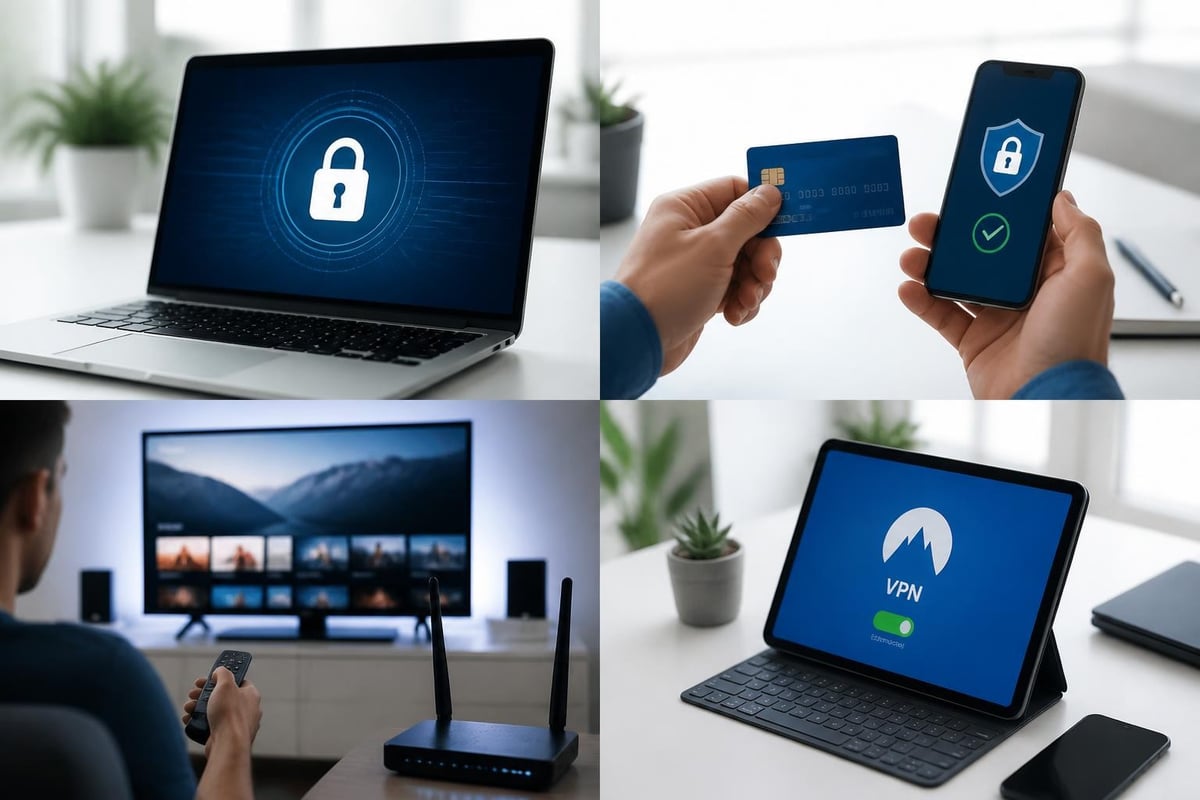
Legitimate paid IPTV providers utilize encrypted payment gateways and accept standard payment methods including credit cards, PayPal, and recognized digital payment platforms. Services requesting cryptocurrency exclusively or unusual payment methods warrant additional scrutiny.
Data Protection Practices
Reputable services maintain clear privacy policies detailing:
- Types of personal information collected
- Purposes for data usage and storage
- Third-party sharing policies
- User rights regarding data access and deletion
- Security measures protecting subscriber information
Network Security Recommendations
Users should implement protective measures when accessing paid IPTV services:
- Use virtual private networks (VPNs) for enhanced privacy
- Ensure devices run updated antivirus software
- Download applications exclusively from official sources
- Create unique, strong passwords for service accounts
- Enable two-factor authentication when available
Comparing Paid IPTV to Traditional Cable
Direct comparison between paid IPTV and conventional cable services reveals distinct advantages and potential drawbacks for each delivery method.
Cost Analysis
Traditional cable subscriptions average $100-$217 monthly for comprehensive packages including equipment rental, taxes, and fees. Paid IPTV services typically cost 50-80% less while often providing comparable or superior content libraries.
Additional cost factors:
- Installation fees (cable: $50-$100; IPTV: typically none)
- Equipment purchases (cable: rental fees; IPTV: one-time device cost if needed)
- Premium channel add-ons (cable: $10-$30 per package; IPTV: often included)
Content Comparison
| Feature | Traditional Cable | Paid IPTV |
|---|---|---|
| Channel Count | 100-500 typical | 10,000-100,000+ possible |
| International Content | Limited packages | Extensive global programming |
| On-Demand Library | Moderate selection | Extensive VOD catalogs |
| Original Programming | Network-dependent | Varies by service |
| Local Channels | Standard inclusion | Varies by provider |
| Sports Coverage | Comprehensive (with premium packages) | Extensive international options |
Technical Performance
Cable television provides consistent signal quality independent of internet bandwidth, while paid IPTV performance depends on connection stability and speed. However, modern IPTV services implement advanced streaming technologies that deliver reliable performance with adequate internet infrastructure.
Device Compatibility and Setup
Successful paid IPTV implementation requires compatible hardware and proper configuration procedures.
Supported Devices
Most paid IPTV services support multiple device categories:
- Streaming boxes: Amazon Fire TV, Apple TV, Android TV boxes, Roku
- Smart TVs: Samsung, LG, Sony, Vizio models with app support
- Mobile devices: iOS and Android smartphones and tablets
- Computers: Windows, macOS, and Linux systems via browsers or dedicated apps
- Gaming consoles: Select services support PlayStation and Xbox platforms
Setup Process
Installation procedures vary by device type but generally follow these steps:
- Verify internet connection meets speed requirements
- Download official application from authorized source
- Install application following on-screen instructions
- Enter credentials provided by service provider
- Configure settings including video quality and parental controls
- Load channel lists and EPG data
- Test playback across multiple content types
Detailed setup guidance and troubleshooting support enhance the user experience, particularly for subscribers less familiar with streaming technology.
Future Trends in Paid IPTV
The paid IPTV industry continues evolving rapidly with technological advances and changing consumer preferences shaping service development.
Emerging Technologies
Several innovations promise to enhance paid IPTV capabilities:
- 5G integration enabling mobile streaming with minimal latency
- Artificial intelligence powering personalized content recommendations
- 4K and 8K resolution becoming standard rather than premium options
- Interactive features allowing viewer participation in live programming
- Cloud gaming integration combining entertainment and gaming in unified platforms
Market Consolidation
Industry analysts predict continued consolidation as larger providers acquire smaller services, potentially leading to standardized features and pricing across major platforms.
Regulatory Developments
Governments worldwide are establishing clearer frameworks governing IPTV services, distinguishing legal providers from unauthorized operations. Understanding IPTV legality in 2026 helps consumers navigate this evolving regulatory landscape.
Frequently Asked Questions
What exactly is paid IPTV and how does it differ from free streaming?
Paid IPTV refers to subscription-based Internet Protocol Television services that deliver licensed content through internet connections. Unlike free streaming sites that often host unauthorized content, paid IPTV providers maintain legal agreements with content owners and offer reliable, high-quality streaming with customer support, EPG guides, and guaranteed uptime.
Is paid IPTV legal to use in the United States?
Yes, paid IPTV is legal when providers have obtained proper licensing agreements for distributed content. Legal considerations vary by jurisdiction, but subscribers using licensed services with transparent business practices face no legal risks. The key distinction lies between authorized services with content rights and unauthorized platforms operating without permissions.
How much internet speed do I need for paid IPTV?
Minimum requirements typically range from 10 Mbps for standard definition content to 25 Mbps for HD streaming and 50+ Mbps for 4K resolution. Services supporting multiple simultaneous streams require proportionally higher bandwidth. Stable connections matter more than peak speeds, as consistent delivery prevents buffering interruptions.
Can I use paid IPTV services on multiple devices simultaneously?
Most paid IPTV providers support multi-device streaming, though specific limitations vary by subscription tier. Entry-level plans may permit 1-2 concurrent streams, while premium subscriptions often allow 3-5 simultaneous connections. This feature enables household members to watch different content on various devices concurrently.
What happens if my paid IPTV service stops working?
Legitimate providers maintain customer support channels to address technical issues promptly. Temporary outages may occur during maintenance windows, which reputable services announce in advance. If service permanently ceases, legal providers typically offer prorated refunds or migration assistance, unlike unauthorized platforms that often disappear without warning.
Do paid IPTV services include DVR functionality?
Many premium paid IPTV platforms incorporate cloud DVR features allowing users to record live programming for later viewing. Storage capacity and retention periods vary by provider, with some offering unlimited storage while others implement time-based restrictions. This functionality adds significant value for viewers with conflicting schedules.
How do I identify legitimate paid IPTV providers?
Legitimate services display clear business information including physical addresses, customer support contacts, and transparent terms of service. They accept standard payment methods, maintain professional websites with detailed feature descriptions, and often appear in industry reviews and comparisons. Understanding IPTV legal frameworks helps consumers distinguish authorized from unauthorized providers.
Can paid IPTV services replace traditional cable completely?
For many households, paid IPTV provides complete cable replacement, offering superior channel variety at lower costs. However, considerations include internet reliability, local channel availability, and specific content requirements. Sports enthusiasts and local news viewers should verify their preferred programming appears in service catalogs before canceling cable subscriptions.
What content is typically included in paid IPTV subscriptions?
Comprehensive paid IPTV services offer live television channels spanning news, sports, entertainment, movies, documentaries, and international programming. On-demand libraries include thousands of movies and complete TV series. Premium subscriptions may include pay-per-view events, specialty sports packages, and exclusive original content depending on provider partnerships.
Are there contracts or cancellation fees with paid IPTV?
Unlike traditional cable providers, most paid IPTV services operate without long-term contracts, allowing month-to-month subscriptions that users can cancel anytime without penalties. Some providers offer discounted annual plans requiring upfront payment but still avoid binding contracts with early termination fees. This flexibility represents a significant advantage over conventional broadcasting services.
How secure is my personal information with paid IPTV providers?
Reputable paid IPTV services implement industry-standard encryption for payment processing and data storage. They maintain privacy policies detailing information collection and usage practices. Subscribers should review these policies, use unique passwords, and consider VPNs for additional privacy protection. Unauthorized services often lack proper security measures, exposing users to data breaches.
What should I do if content buffers or quality is poor?
First, test internet speed to ensure it meets service requirements. Connect devices via ethernet rather than Wi-Fi when possible, restart equipment, and close bandwidth-consuming applications. If issues persist, contact provider support to verify server status and receive device-specific troubleshooting guidance. Quality providers actively address performance complaints and may offer credits for extended disruptions.
Choosing the right entertainment solution requires careful consideration of legal compliance, content offerings, technical capabilities, and long-term value. Paid IPTV services provide legitimate alternatives to traditional cable when selected from reputable providers with proper licensing agreements. Apollo Group TV delivers exactly this combination, offering access to over 100,000 live channels and 250,000 movies through a legitimate platform featuring anti-freeze technology, multi-device compatibility, and flexible payment options that eliminate recurring subscription burdens while providing comprehensive entertainment coverage.